HomeLatestIndia Urges US to Ease Steel and Aluminium Duties

India Urges US to Ease Steel and Aluminium Duties

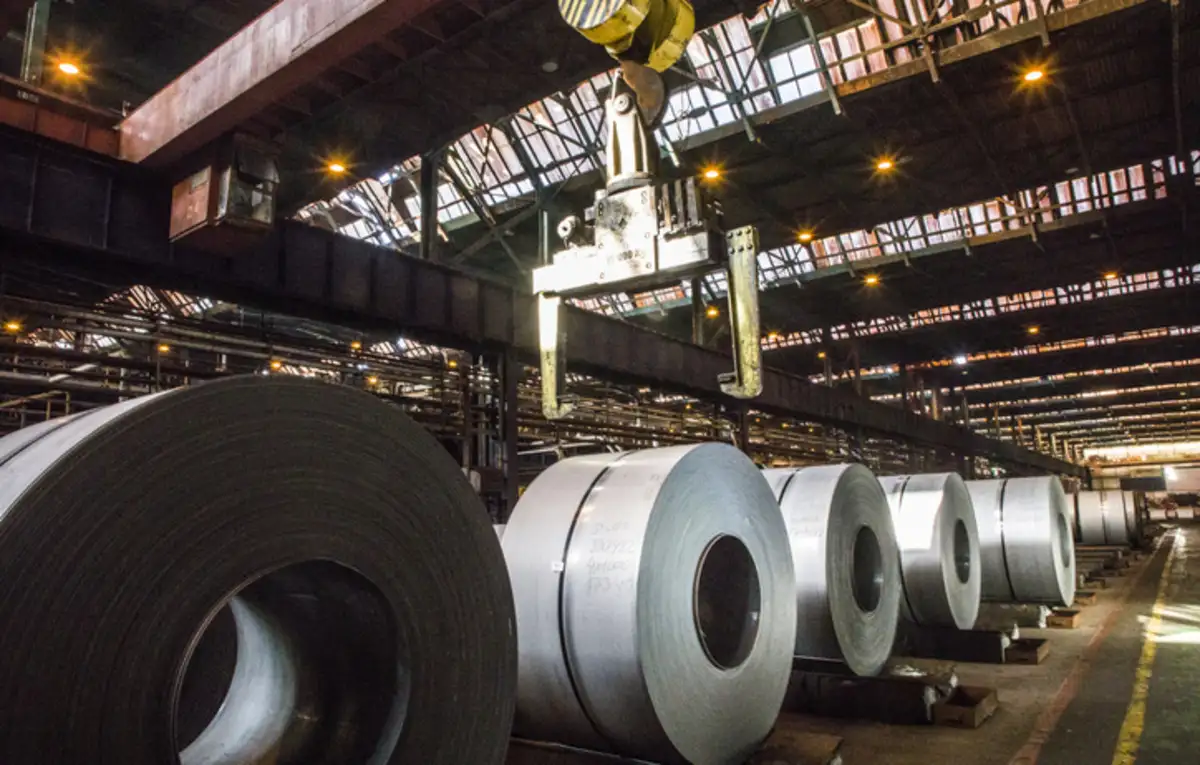
India’s efforts to secure exemptions from the United States’ steep tariffs on steel and aluminium have yet to yield results, as discussions between the two nations continue without a definitive agreement.

The US imposed a 25% tariff on steel and a 10% tariff on aluminium imports, measures that have significantly impacted India’s engineering export sector. These tariffs, effective from March 12, 2025, have raised concerns among Indian exporters about declining orders and increased production costs. The Engineering Export Promotion Council (EEPC) estimates that approximately $7.5 billion of India’s $20 billion annual engineering goods exports could be affected. In response, Indian officials have engaged in negotiations with their US counterparts, seeking relief from these tariffs. Discussions held between April 23 and April 25 in Washington focused on India’s request for exemptions, particularly for steel and aluminium products. However, sources indicate that the US has not agreed to reduce sectoral tariffs, maintaining its stance on protecting domestic industries.

The Indian government is also considering reciprocal measures, including reducing import tariffs on select US goods with low inbound shipments. This strategy aims to encourage the US to offer more favorable terms in the ongoing trade negotiations. Additionally, India is evaluating the impact of these tariffs on its domestic industries and exploring ways to mitigate the adverse effects. The broader context of these negotiations includes the US administration’s emphasis on reciprocal trade agreements. President Donald Trump has highlighted the need to address trade imbalances and ensure fair practices. While progress has been made in discussions with several countries, including Japan and South Korea, a trade agreement with India remains pending.

Despite the challenges, both nations continue to work towards a comprehensive bilateral trade agreement. Such an agreement would aim to expand trade, enhance market access, and reduce tariff and non-tariff barriers. The Indian government remains engaged with the US administration at various levels to arrive at a mutually beneficial solution. As negotiations proceed, the Indian engineering sector faces uncertainty. Exporters are urging the government to provide support, including export credit and technological assistance, to maintain competitiveness in the global market. The outcome of these trade talks will significantly influence the future of India’s manufacturing and export industries.

India Urges US to Ease Steel and Aluminium Duties
RELATED ARTICLES

LEAVE A REPLY

Please enter your comment!
Please enter your name here

- Advertisment -spot_img

Most Popular

Recent Comments

Durgapur Refractory Brick Ruling Clears Tax Burden

Durgapur Refractory Brick Ruling Clears Tax Burden

A CESTAT ruling has removed a ₹98 lakh Central Excise liability imposed on a steel plant in Durgapur over the disposal of used refractory...
Tamil Nadu Limestone Tax Relief Could Ease Cement Costs

Tamil Nadu Limestone Tax Relief Could Ease Cement Costs

Tamil Nadu’s cement industry is set to see lower limestone-related costs after the MMDR Amendment Act, 2026 restricted states from imposing fresh levies on...
India RERA Rules Meet Rising CPVC Pipe Demand

India RERA Rules Meet Rising CPVC Pipe Demand

India’s building and housing pipeline could become an important demand channel for CPVC piping as the global market enters a longer growth cycle. The...
India Infrastructure Growth Keeps Steel Demand Elevated

India Infrastructure Growth Keeps Steel Demand Elevated

NEW DELHI: India’s construction and infrastructure pipeline is entering a period of sustained steel demand, with consumption expected to grow faster than new production...
New Delhi RERA And Steel Demand Reshape Construction

New Delhi RERA And Steel Demand Reshape Construction

New Delhi: India’s steel consumption has nearly doubled over the past decade, reaching around 152 million tonnes in 2024–25, highlighting the scale of construction,...