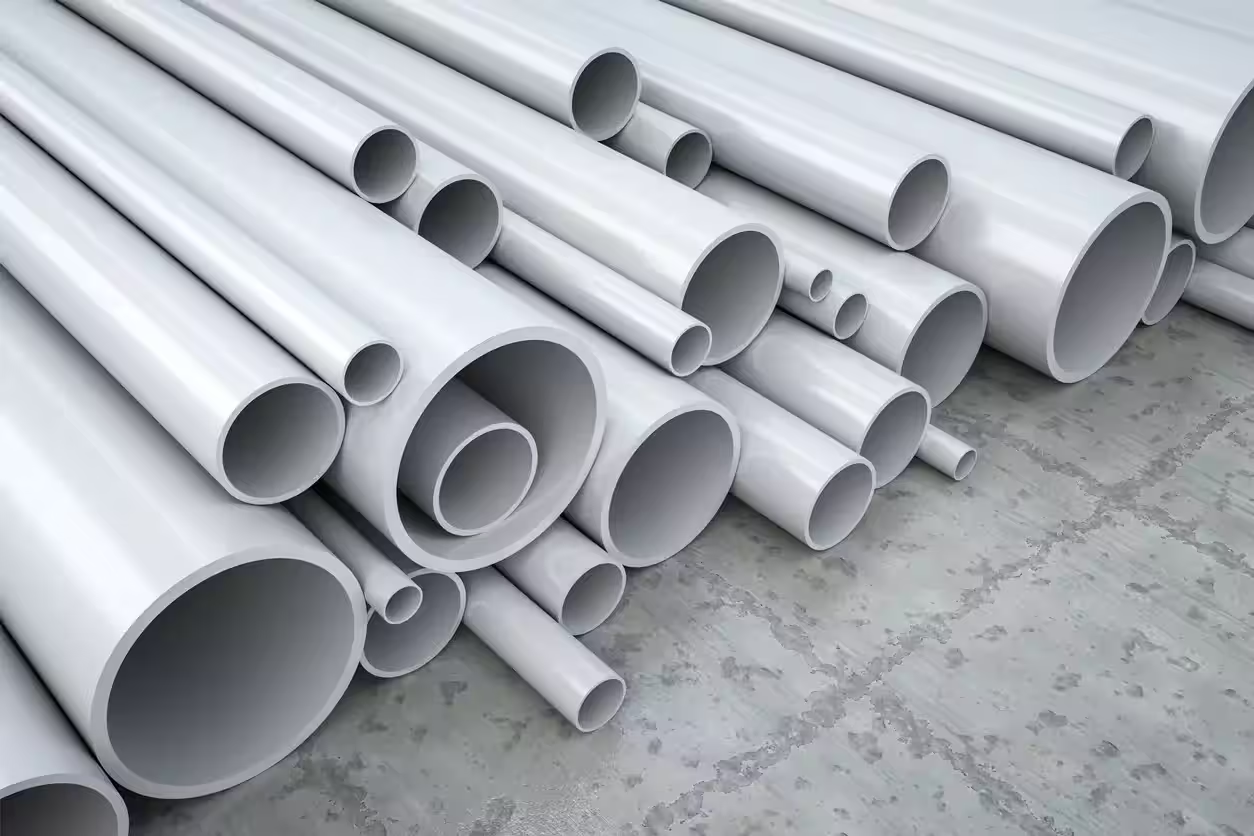
India’s building and housing pipeline could become an important demand channel for CPVC piping as the global market enters a longer growth cycle. The market is projected to expand at a 5.2% annual rate from 2026 to 2035, increasing the focus on plumbing quality, fire safety and material standards across new urban development.
CPVC is used for hot and cold water systems because it can withstand higher temperatures than conventional PVC. In India, the material already operates within a standards-led construction environment. The Bureau of Indian Standards recognises IS 15778 for CPVC pipes used in potable hot and cold water distribution, while IS 16088 covers CPVC pipes for automatic sprinkler fire-extinguishing systems. That regulatory framework also intersects with the wider RERA regime. RERA does not prescribe CPVC as a mandatory material, but it requires developers to disclose sanctioned plans and project specifications and places a five-year liability on promoters for structural defects and specified defects after possession. For homebuyers, that makes the quality and durability of concealed building services more relevant than their visibility during construction. The strongest demand is expected to come from residential and commercial plumbing, which accounts for an estimated 45% of consumption in the market assessment.
Industrial processing, fire sprinkler systems and specialised applications provide additional growth as cities expand manufacturing, healthcare, data-intensive facilities and commercial infrastructure. Asia-Pacific is expected to remain the largest regional market, supported by urbanisation and infrastructure investment in India and China. North America remains a mature market, while the Middle East is gaining from large construction and water infrastructure programmes. Europe faces a different trajectory, with environmental scrutiny of chlorinated materials likely to keep adoption more selective.For Indian cities, the significance extends beyond the pipe market. Water losses, maintenance failures and premature replacement of building services can increase costs for residents and housing societies. Better specification, testing and installation can therefore influence the long-term performance of buildings as much as the choice of headline construction materials.
The environmental equation is less straightforward. CPVC can offer durability and corrosion resistance, potentially reducing replacement requirements, but it remains a chlorine-based plastic. As construction moves towards lower-carbon buildings, lifecycle impacts, recyclability, manufacturing emissions and responsible end-of-life management will increasingly matter alongside performance. The projected market expansion therefore points to more than higher pipe sales. For India’s rapidly urbanising housing stock, the next phase will depend on whether standards, RERA-linked project accountability and building practices translate market growth into safer, durable and resource-efficient urban infrastructure.