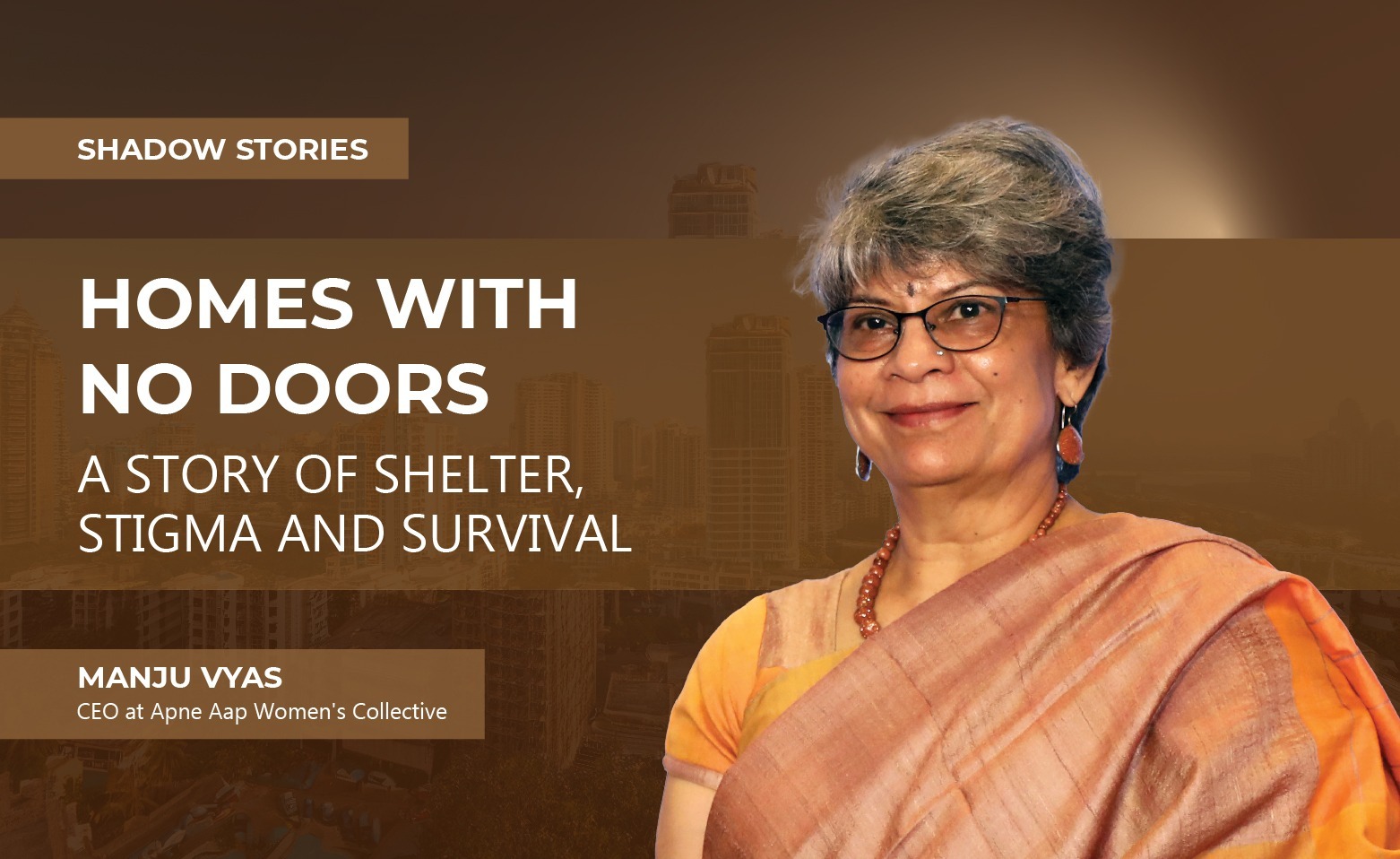
She was 12. She arrived in Mumbai with her father from a drought-stricken village in Latur, her eyes wide with hope. “I’ll show you lots of water in Mumbai,” he said. The next morning, he was gone. In his place stood a woman—adorned in heavy makeup, dressed in revealing clothes, surrounded by others like her. She looked the young girl in the eyes and said, “I’ve bought you for `40,000. If you want to leave, repay me.” That was the first time Manju Vyas entered a brothel. Not as a rescuer, not as an activist—but simply as a translator, helping a Sri Lankan journalist conduct an interview. She didn’t expect to be changed forever.
The Room with No Doors
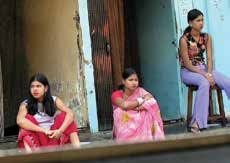
“I had no idea what human trafficking really was,” Manju recalls, her voice trembling with memory. “I’d never imagined that something so horrifying was happening in our cities, just streets away from our everyday lives.” The girl’s story was harrowing, but what broke Manju completely was meeting her daughter—just 16— sitting beside her mother in the same cramped room, calling it home. “She told me, so casually, that she wanted to grow up and become a prostitute—like her mother. For her, this was normal. That shattered me.” Before leaving, the girl asked Manju to teach her English. Manju agreed. Every weekend, she returned. Soon, more girls joined. It began with three students—and turned into a lifelong mission.
From Boardroom to Brothel Lanes
Twenty-five years later, Manju still walks those lanes—not in fear, but with fierce purpose.
A corporate professional in her past life, she now leads the Women’s Collective, an organization that educates, rehabilitates, and empowers women and children trapped in the
vicious cycles of commercial sexual exploitation. “When I was offered a full-time role at the Collective, it paid far less than my corporate job. But I didn’t care. I knew this was where I belonged. No corner office could match the fulfillment I feel now.”
Where the Body Becomes a Room for Rent
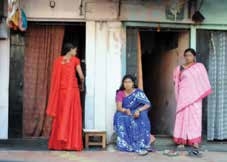
The brothel, she explains, is not just a site of exploitation—it’s a twisted version of housing. A room that should shelter instead becomes a trap. A space meant for dignity becomes a
cage of survival. “These women are forced to serve 10 to 15 clients a night. If they earn
enough, they get food. If not, they go hungry. They are raped nightly, plied with alcohol to numb their resistance, and pushed back into the room—even after childbirth, often within 3–5 days.” There are no holidays. No privacy. No rights. And when they age out of “usefulness,” they are simply discarded—tossed onto the streets like furniture in a fire sale.
“Their bodies are rented out,” Manju says. “But they themselves own nothing. Not a door they can lock. Not a roof they can claim. That’s why housing is at the centre of this crisis.”
A Shelter Called Hope
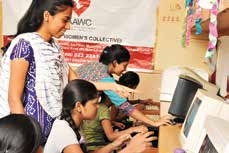
solution, she believes, lies in rebuilding the meaning of home—both physically and emotionally. The Women’s Collective runs shelter homes for the daughters of trafficked women. These homes are sanctuaries—spaces of learning, healing, and protection. Here, girls are given access to healthcare, education, and emotional support. For the mothers, the organization offers vocational training—sewing, handicrafts, small business skills. The aim is simple: to offer a path away from prostitution. To help them earn with dignity. To give them back their identity. “If we can give them housing—real housing—not just four walls, but safety, dignity, and ownership—we break the cycle.”
The Personal Cost of Compassion
Manju’s decision wasn’t without resistance. “My family was terrified,” she admits. “They didn’t understand why I would leave a secure, high-paying corporate job to work in one of the city’s most dangerous and stigmatised areas. But I asked them for one year to prove it
was my calling.” Today, her family is proud. But society at large? Still far from empathetic. “We judge these women so quickly. We brand them immoral, dirty, criminal. But we never ask—how did they get there? Who failed them? What kind of world sells a child for `40,000 and lets her grow up in a room where the lock is always on the outside?”
The Role of Media: A Window to Truth
Reflecting on her participation in Homes & Buildings Magazine’s platform, Manju expresses deep gratitude. “Most people don’t want to talk about trafficking. It makes them uncomfortable. But change begins with visibility. By giving space to our stories, you are not just reporting—you are helping to redefine housing as a right, not a privilege. You are helping to sensitise society and remove the shame that was never theirs to carry.
Final Reflections:
A Key to the Future At its core, this is a story about ownership—of bodies, of spaces, of
choices. Manju Vyas has spent over two decades ensuring that women and children who were once sold and silenced can one day say: This room is mine. This life is mine. Because until every woman has a door she can close with pride, a space that cannot be taken from her, and a name that is not for sale—housing will remain the frontline of the fight for human dignity.