HomeLatestIndia Real Estate Parking Space Disputes Rise

India Real Estate Parking Space Disputes Rise

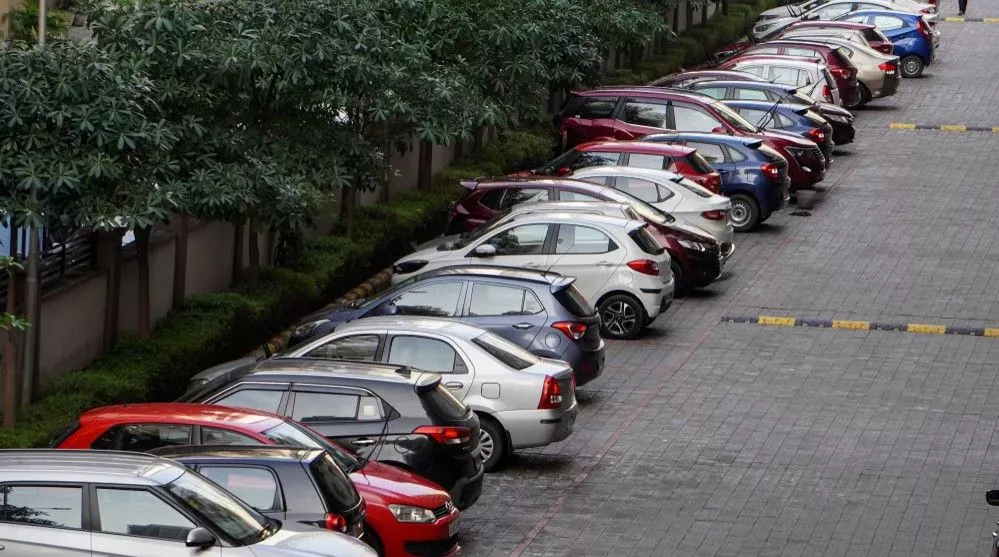
In India’s fast-growing housing markets, a seemingly routine amenity car parking is emerging as a major source of friction between homebuyers and developers, with disputes increasingly surfacing across regulatory forums. As urban densities rise and vehicle sizes expand, concerns over parking space disputes are exposing deeper issues in planning, design, and accountability within residential projects.

Industry observers note that many buyers only scrutinise parking allocations at the final stages of possession, by which time options are limited and negotiation power is weakened. In several cities, delayed project handovers have reportedly compelled buyers to accept suboptimal parking arrangements simply to secure occupancy, highlighting a structural imbalance between developers and end-users. At the core of these parking space disputes lies a mismatch between design standards and real-world usage. While developers often adhere to minimum dimensions outlined in sanctioned plans, these measurements frequently fail to accommodate larger vehicles such as SUVs, now common in urban India. In practice, narrow bays, obstructive pillars, and constrained turning radii can render allotted spaces impractical, raising questions about functional adequacy rather than mere compliance.

Urban planners point out that basement parking areas are increasingly burdened by competing infrastructure demands. Essential utilities ranging from water treatment systems to fire safety installations occupy significant space, often leading to compressed parking layouts. This intensification reflects a broader challenge in high-density developments, where land optimisation frequently comes at the cost of usability and convenience. Legally, the issue remains complex. Regulatory authorities typically rely on approved building plans and completion certifications when adjudicating disputes. Unless specific parking dimensions or entitlements are explicitly stated in agreements or mandated by local byelaws, buyers may find limited recourse. This underscores the importance of early-stage due diligence, including reviewing sanctioned layouts and ensuring that parking details are clearly documented in sale agreements. The rise of mechanical and stack parking systems adds another layer of complexity. While these solutions address space constraints, they introduce operational dependencies and limitations on vehicle size, potentially creating long-term maintenance and accessibility concerns for residents.

Beyond individual grievances, the prevalence of parking space disputes signals a broader urban planning gap. As cities aim for more sustainable and people-centric growth, the design of residential infrastructure must balance efficiency with liveability. Inadequate parking not only affects daily convenience but can also lead to spillover congestion on streets, undermining mobility and safety. Experts suggest that clearer regulatory frameworks, combined with transparent allocation practices and citizen awareness, could mitigate future conflicts. For homebuyers, treating parking as a critical component of property evaluation rather than an ancillary benefit may prove essential in navigating an increasingly complex real estate landscape.

Also Read : India Russia Steel Talks Target Supply Security
India Real Estate Parking Space Disputes Rise
RELATED ARTICLES

LEAVE A REPLY

Please enter your comment!
Please enter your name here

- Advertisment -spot_img

Most Popular

Recent Comments

Shree Cement Sets July Results Discussion

Shree Cement Sets July Results Discussion

Shree Cement is set to present its financial performance for the first quarter of FY27 through an investor and analyst interaction on 31 July,...
India Fertiliser Imports Reinforce National Supply Security

India Fertiliser Imports Reinforce National Supply Security

India imported more than 3.2 million tonnes of fertilisers during the first quarter of FY27, while expanding overseas sourcing arrangements to safeguard supplies ahead...
India Chemical Sector Gains Strategic Government Support

India Chemical Sector Gains Strategic Government Support

The Union Cabinet has approved a ₹3,030 crore national programme to strengthen India’s chemicals sector, aiming to boost domestic manufacturing, reduce import dependence and...
India Specialty Chemicals Drive Industrial Innovation

India Specialty Chemicals Drive Industrial Innovation

India’s specialty chemicals sector is entering a new phase of expansion driven by investments in advanced manufacturing, research and production capacity, as companies respond...
India Metal Recycling Drives Sustainable Manufacturing

India Metal Recycling Drives Sustainable Manufacturing

India’s next phase of growth in the metals sector is expected to rely increasingly on recycling rather than fresh mineral extraction, reflecting a broader...