HomeLatestAdani Motilal Nagar Redevelopment To Transform Urban Fabric

Adani Motilal Nagar Redevelopment To Transform Urban Fabric

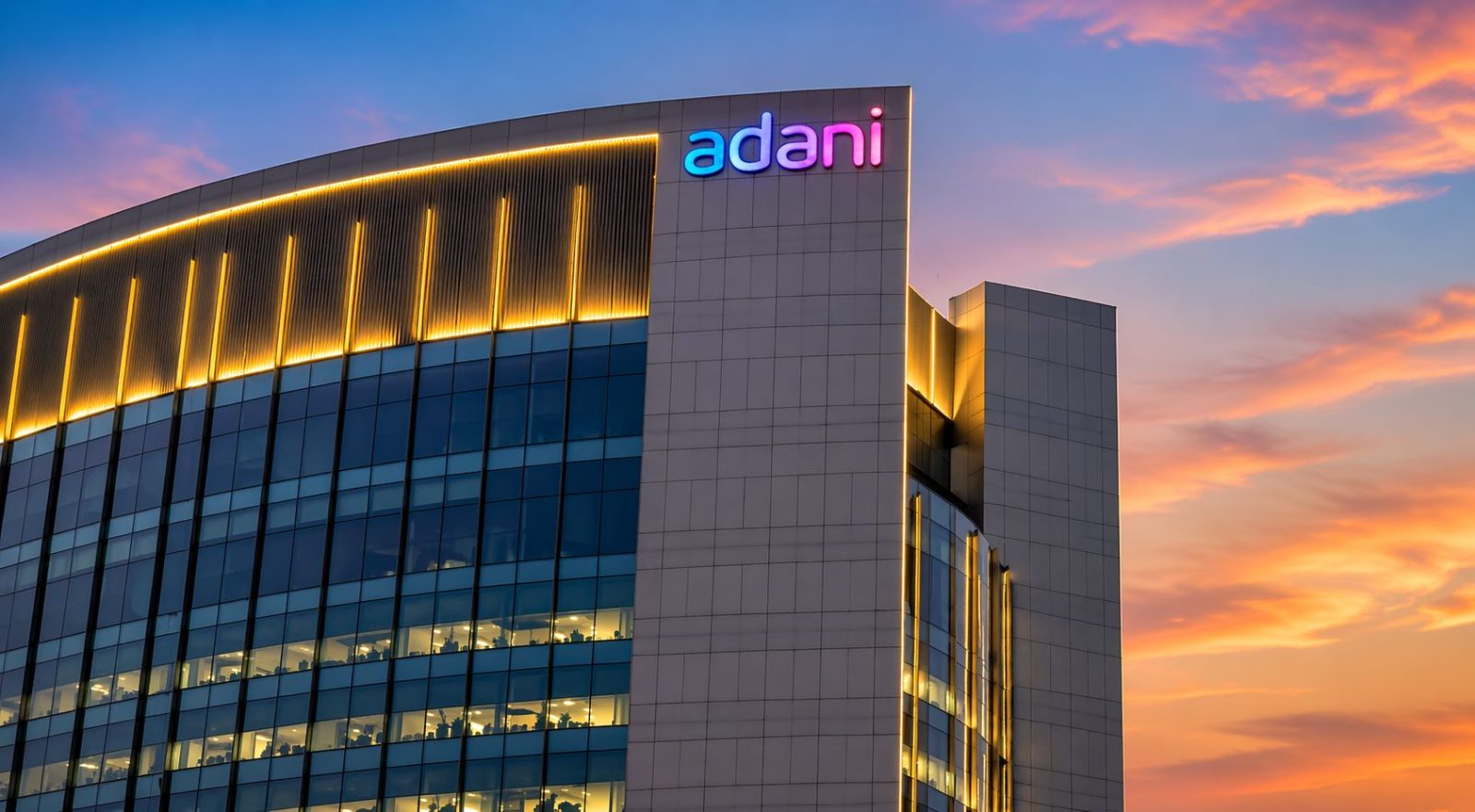
A large-scale redevelopment initiative in Mumbai’s Goregaon suburb is set to transform Motilal Nagar into one of the city’s most expansive urban renewal zones, with an estimated investment of ₹1 lakh crore. The project, covering over 140 acres, signals a decisive shift in how ageing housing clusters are being reimagined, with implications for density, affordability, and long-term sustainability in India’s financial capital.

At the centre of the plan is the Motilal Nagar redevelopment, which will convert a low-rise, ageing residential settlement into a high-density, mixed-use precinct. Urban planners note that such projects are increasingly seen as essential in land-constrained cities like Mumbai, where horizontal expansion is limited and infrastructure must support vertical growth. However, this intensification raises questions about livability, access to services, and environmental resilience. The development is expected to generate a substantial built-up area, with a significant portion reserved for rehabilitating existing residents. Officials indicate that thousands of households, including both formal tenants and informal occupants, will be resettled into newly constructed units with larger floor areas. While this addresses long-standing housing inadequacies, experts caution that the success of rehabilitation depends on timely delivery, transparent allocation, and community integration.

The remaining developable space will be released into the open market, forming the financial backbone of the Motilal Nagar redevelopment. Industry observers suggest that such cross-subsidisation models are now standard in Mumbai’s redevelopment ecosystem, where saleable inventory offsets the cost of resettlement. Yet, with property prices in the western suburbs already elevated, concerns remain about whether new supply will meaningfully improve housing accessibility or primarily cater to upper-income segments.Beyond residential towers, the project is being designed as a mixed-use district, incorporating commercial, institutional, and potentially hospitality components. This aligns with contemporary urban planning principles that advocate for self-contained neighbourhoods, reducing commute times and supporting local economic activity. However, integrating these elements effectively will require coordinated infrastructure upgrades, including transport connectivity, water supply, and waste management systems.

The Motilal Nagar redevelopment is also part of a broader pipeline of similar projects being planned across Mumbai. Collectively spanning hundreds of acres, these initiatives aim to address the city’s ageing housing stock while unlocking land value. Urban policy experts argue that such scale offers an opportunity to embed climate-sensitive design such as energy-efficient buildings, green cover, and flood mitigation measures into redevelopment frameworks. For residents and policymakers alike, the long-term impact will hinge on execution. If delivered as planned, the project could ease housing shortages and modernise urban infrastructure. However, delays, cost escalations, or inadequate planning could exacerbate existing urban pressures. As Mumbai accelerates its redevelopment agenda, the focus is likely to shift from scale alone to the quality, inclusivity, and sustainability of these emerging urban landscapes.

Also Read : Adani Expands Airport City Real Estate Footprint
Adani Motilal Nagar Redevelopment To Transform Urban Fabric
RELATED ARTICLES

LEAVE A REPLY

Please enter your comment!
Please enter your name here

- Advertisment -spot_img

Most Popular

Recent Comments

Shree Cement Sets July Results Discussion

Shree Cement Sets July Results Discussion

Shree Cement is set to present its financial performance for the first quarter of FY27 through an investor and analyst interaction on 31 July,...
India Fertiliser Imports Reinforce National Supply Security

India Fertiliser Imports Reinforce National Supply Security

India imported more than 3.2 million tonnes of fertilisers during the first quarter of FY27, while expanding overseas sourcing arrangements to safeguard supplies ahead...
India Chemical Sector Gains Strategic Government Support

India Chemical Sector Gains Strategic Government Support

The Union Cabinet has approved a ₹3,030 crore national programme to strengthen India’s chemicals sector, aiming to boost domestic manufacturing, reduce import dependence and...
India Specialty Chemicals Drive Industrial Innovation

India Specialty Chemicals Drive Industrial Innovation

India’s specialty chemicals sector is entering a new phase of expansion driven by investments in advanced manufacturing, research and production capacity, as companies respond...
India Metal Recycling Drives Sustainable Manufacturing

India Metal Recycling Drives Sustainable Manufacturing

India’s next phase of growth in the metals sector is expected to rely increasingly on recycling rather than fresh mineral extraction, reflecting a broader...