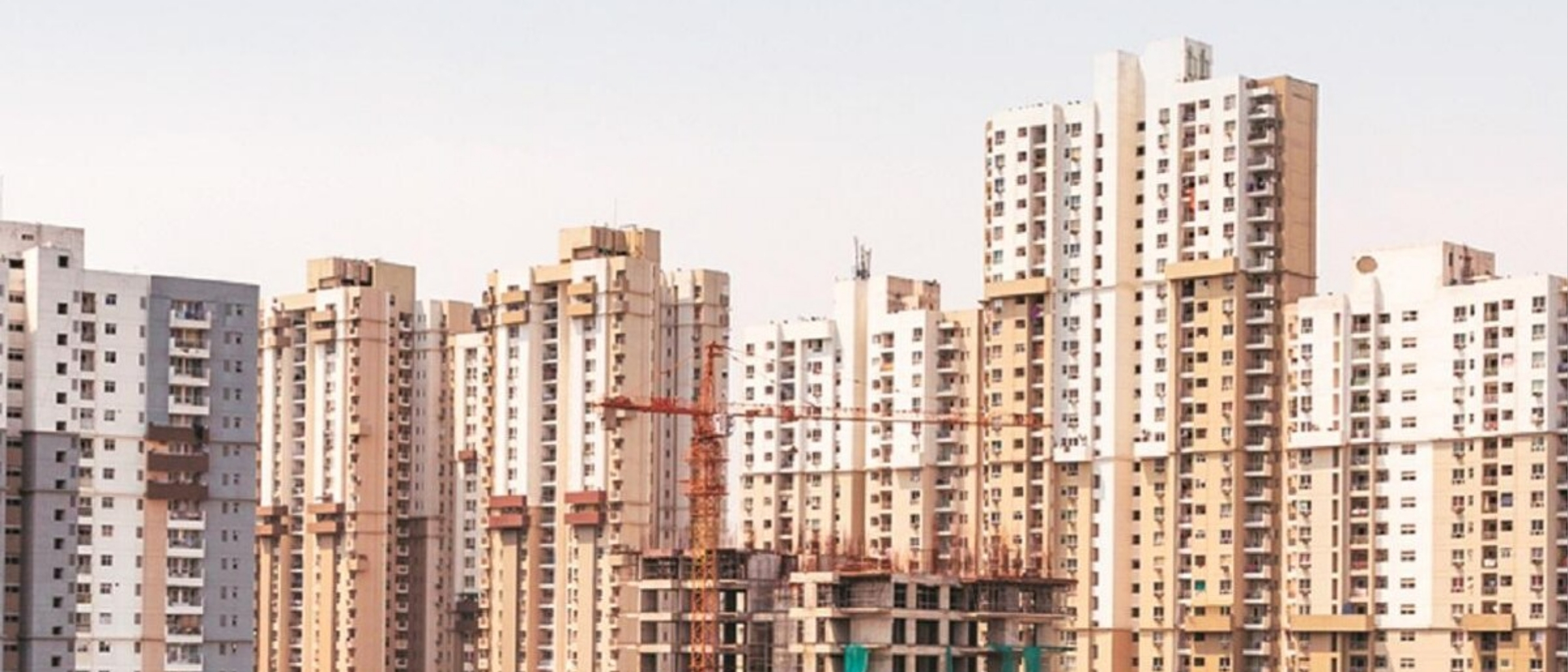
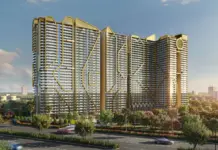
A cluster of infrastructure upgrades in western Uttar Pradesh is steadily shifting investor attention towards Moradabad, a city once seen as peripheral to the National Capital Region (NCR). Improved highway connectivity, upcoming expressways, and a growing industrial base are now positioning Moradabad real estate as a low-cost alternative for long-term investment, raising important questions about how smaller cities absorb rapid growth.
Over the past decade, enhanced road networks linking Delhi to eastern Uttar Pradesh have reduced travel and freight time significantly. This has allowed manufacturing centres like Moradabad to integrate more efficiently with NCR supply chains. Urban planners note that such reductions in logistics costs often precede land value appreciation, as businesses seek affordable expansion zones beyond saturated metropolitan markets. What distinguishes Moradabad in the current cycle is not a single project, but the convergence of multiple transport corridors. Ongoing highway expansions and proposed expressways are expected to improve regional mobility and widen economic catchments. Experts tracking Moradabad real estate trends suggest that cities located at such infrastructure intersections tend to transition quickly from secondary to high-growth urban nodes, provided governance and planning frameworks keep pace.
The city’s economic base, historically anchored in handicrafts and export manufacturing, is also diversifying. Industrial activity is gradually extending into warehousing and logistics, driven by demand for cost-efficient land near NCR. This shift is creating employment opportunities locally, which in turn is supporting housing demand. Analysts say this evolving demand is less speculative and more end-user driven, reflecting a broader pattern across tier-two cities where households are choosing to remain and upgrade within their home regions. A key factor influencing investor sentiment is the emergence of planned urban zones such as New Moradabad. Designed with structured layouts, utilities, and clearer land titles, these developments offer a contrast to unregulated urban sprawl. For Moradabad real estate, this reduces legal and infrastructural uncertainty, which has historically deterred institutional capital from entering smaller cities. However, urban development experts caution that rapid real estate interest without parallel investment in social infrastructure such as public transport, water systems, and green spaces can strain city systems. There are also concerns about whether new growth will remain inclusive or lead to fragmented urbanisation that excludes lower-income groups.
From a sustainability perspective, Moradabad’s expansion presents both opportunity and risk. Planned development could enable more efficient land use and lower emissions compared to congested metros. Yet, without climate-sensitive planning, increased construction and vehicle dependence may offset these gains. As connectivity improves and economic activity diversifies, Moradabad stands at a critical juncture. Whether it evolves into a balanced, resilient urban centre or follows the uneven growth patterns seen elsewhere will depend on how infrastructure, housing, and environmental priorities are aligned in the years ahead.
Moradabad Real Estate Draws NCR Investor Interest