HomeLatestIndia Property Market Weighs Yield Versus Stability

India Property Market Weighs Yield Versus Stability

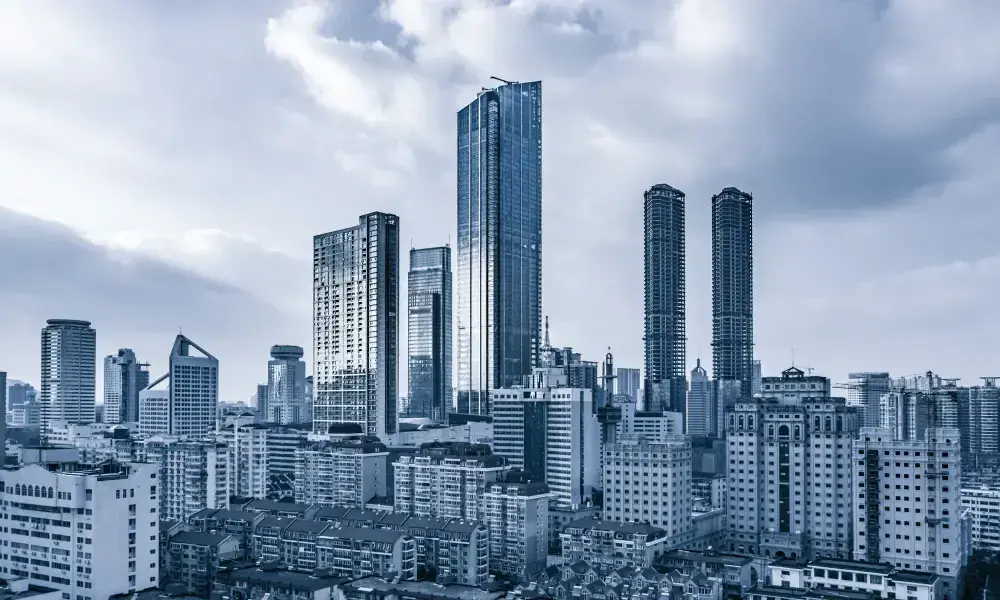
India’s property market is entering a phase where investors are recalibrating strategies between steady residential assets and higher-yielding commercial spaces, as macroeconomic pressures and urban expansion reshape returns. The shift is significant for cities grappling with affordability, infrastructure demand, and long-term sustainability goals.

Recent market assessments indicate that residential housing in major urban centres continues to offer modest rental returns, typically in the low single digits. However, its appeal lies in consistent occupancy, easier resale, and relatively lower entry barriers. Urban planners note that this segment remains closely tied to end-user demand, especially among middle-income households seeking stability amid fluctuating borrowing costs. Commercial assets, by contrast, are drawing attention for their stronger income potential. Office spaces, retail hubs, and logistics parks are delivering notably higher yields, supported by long-term leases and corporate tenancy. Yet, this segment is also more vulnerable to economic cycles. A slowdown in business activity or shifts in workplace trends can leave large commercial inventories underutilised, raising concerns about inefficient land use and urban sprawl.

For policymakers and city administrators, this divergence highlights a deeper structural issue. High-yield commercial development often clusters in already dense corridors, intensifying pressure on transport networks and utilities. Meanwhile, residential growth continues to expand into peripheral areas, raising questions about sustainable mobility and equitable access to services.The broader economic environment is adding another layer of complexity. Rising interest rates have increased borrowing costs, affecting both developers and homebuyers. While inflation can push property values upward, it also escalates construction expenses, potentially slowing new supply. Industry observers suggest that such conditions may disproportionately impact first-time buyers, reinforcing the need for inclusive housing policies. Emerging urban centres are beginning to alter the equation. Tier-2 cities are attracting investment due to lower land costs, improving infrastructure, and expanding employment bases. These locations are increasingly seen as testing grounds for balanced urban growth, where residential and commercial development can evolve in tandem without overburdening existing systems.

Despite the promise of higher returns, experts caution that India real estate investment in commercial assets requires careful due diligence. Vacancy risks, changing consumer behaviour, and overestimation of future infrastructure can undermine projected income. Residential properties, while more stable, are not immune to challenges such as maintenance costs and tenant turnover. Looking ahead, both segments are expected to grow, driven by urbanisation, digital economy expansion, and evolving lifestyle preferences. The key question for investors and planners alike is how to align financial returns with sustainable urban outcomes. A diversified approach spanning asset types and geographies may offer resilience, but it also underscores the need for coordinated planning that prioritises liveability, resource efficiency, and long-term urban health.

Also Read : India Real Estate Gains From Tax Exemption Clarity
India Property Market Weighs Yield Versus Stability
RELATED ARTICLES

LEAVE A REPLY

Please enter your comment!
Please enter your name here

- Advertisment -spot_img

Most Popular

Recent Comments

India Metal Scrap Fuels Circular Economy Growth

India Metal Scrap Fuels Circular Economy Growth

India’s metals sector is entering a structural transition as organised recycling of industrial scrap gains strategic importance, signalling that future growth in the commodity...
Jindal Steel Q1 Results Expose Cost Pressures

Jindal Steel Q1 Results Expose Cost Pressures

Jindal Steel Q1 Results presented a mixed picture for India’s steel sector, with higher production and revenue failing to translate into stronger profitability as...
Jindal Steel Finance Leadership Strengthens Growth Plans

Jindal Steel Finance Leadership Strengthens Growth Plans

Jindal Steel has appointed a new President Finance and Chief Financial Officer, reinforcing its financial leadership as the company advances large scale capacity expansion...
SAIL Q1 Results Reflect Improving Steel Margins

SAIL Q1 Results Reflect Improving Steel Margins

State owned steel producer SAIL reported a sharp rise in first quarter earnings for FY27,indicating stronger operational resilience despite lower steel sales volumes. The performance...
UltraTech Cement Dividend Week Draws Investor Focus

UltraTech Cement Dividend Week Draws Investor Focus

More than 110 listed companies are scheduled to trade without entitlement to dividends, bonus shares and other shareholder benefits during the coming trading week,...