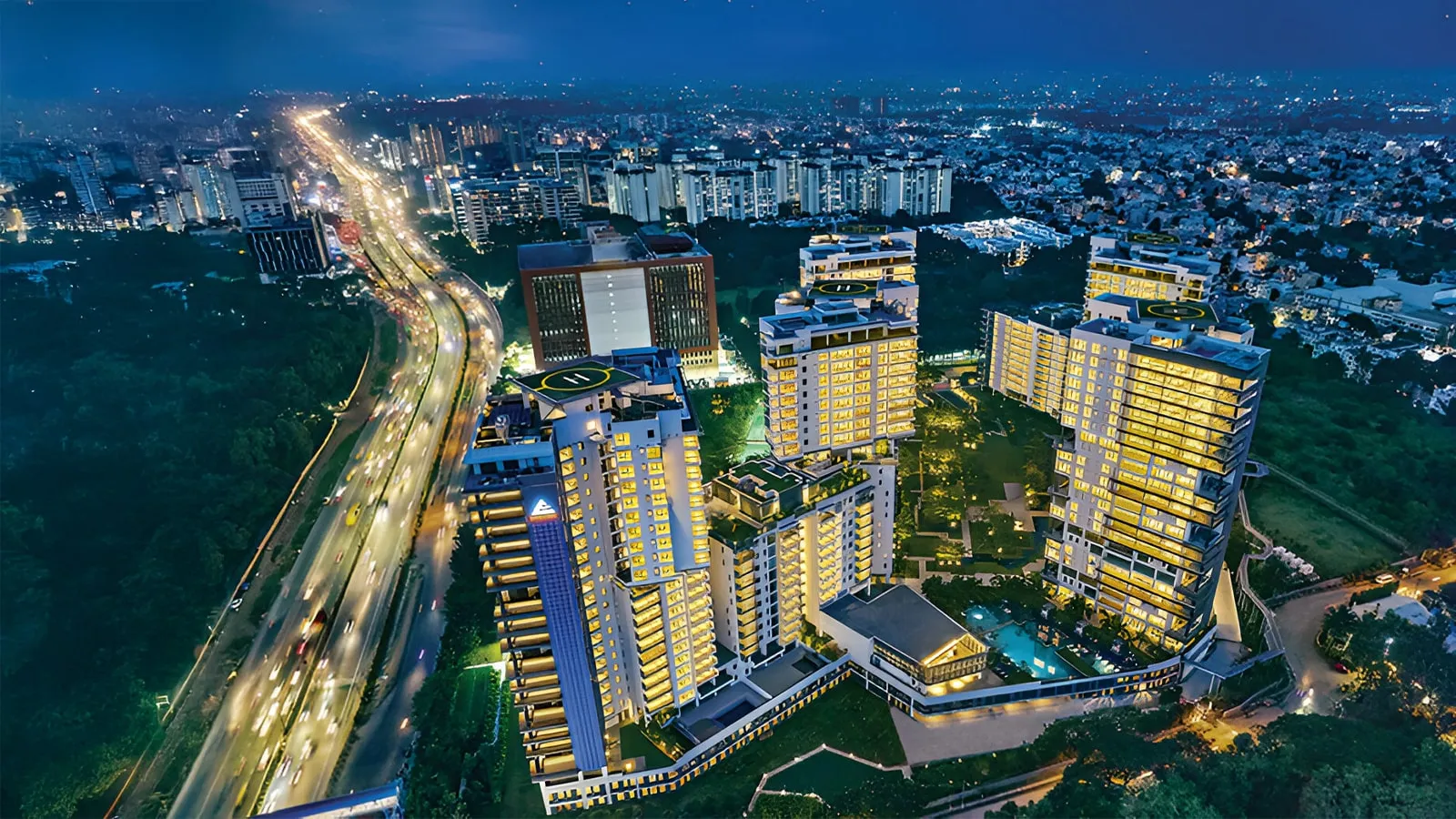
A major private developer has outlined plans to invest over ₹1,000 crore in a new upscale residential development in Faridabad, signalling continued momentum in premium housing across the National Capital Region (NCR). The proposed project in Sector 80 of Greater Faridabad is expected to add a limited number of high-value homes, reflecting shifting buyer demand toward larger, amenity-rich living spaces in peripheral urban zones.
The project, comprising just over 300 units, is positioned at the upper end of the housing market, with individual homes priced in the multi-crore bracket. This move aligns with a broader trend where developers are targeting affluent buyers seeking lower-density living, particularly in areas with improving infrastructure connectivity to Delhi and other NCR hubs. Urban planners note that the rise of Faridabad luxury housing comes at a time when land availability and pricing pressures in central NCR locations are pushing development outward. Peripheral cities such as Faridabad are increasingly seen as viable alternatives, supported by road network upgrades and proposed transit expansions. However, this outward growth raises concerns around balanced urbanisation, particularly the need for adequate public transport, water management, and green cover preservation.
While premium developments can boost local economies through construction activity and increased property tax revenues, experts caution against a fragmented growth model. “High-end enclaves often develop in isolation unless integrated into a broader urban framework,” said an urban development consultant, highlighting the risk of uneven access to civic infrastructure.The scale of investment also reflects confidence in sustained demand within the NCR’s high-income segment. Industry observers suggest that post-pandemic preferences for spacious homes, combined with rising disposable incomes among certain groups, have reinforced the appeal of Faridabad luxury housing. Yet, this segment’s expansion contrasts with ongoing affordability challenges in the wider housing market, where supply for mid-income and lower-income groups remains constrained. Environmental considerations are also emerging as a critical factor in evaluating such projects. Faridabad, which has faced air quality and water stress issues in recent years, will need to ensure that new developments incorporate sustainable building practices.
Measures such as energy-efficient construction, rainwater harvesting, and integrated waste management systems are increasingly seen as essential rather than optional in large-scale housing projects.From a policy standpoint, regulatory oversight by state authorities will play a key role in ensuring transparency, timely delivery, and compliance with environmental norms. The emphasis on planned growth becomes particularly relevant as cities like Faridabad transition from industrial hubs to mixed-use urban centres. As NCR’s urban footprint continues to expand, the success of such developments will depend not only on market demand but also on how well they align with long-term sustainability and inclusivity goals. The challenge for city planners will be to ensure that growth in premium housing does not outpace the creation of equitable and resilient urban infrastructure.
BPTP Faridabad Luxury Housing Plans Expand NCR Skyline