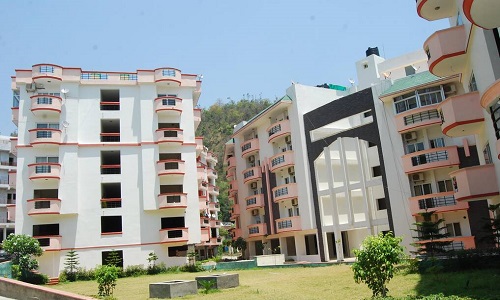
A new hilltop residential project in Rishikesh is drawing attention as lifestyle-led real estate gains traction in India’s smaller cities. Positioned near the religious hub of Neelkanth Mahadev Temple, the development reflects a broader shift where tourism-driven regions are increasingly being reshaped by second-home investments and hospitality-style housing.
Urban planners note that such projects are emerging at the intersection of spiritual tourism, improved road infrastructure, and rising demand for nature-linked living. Over the past decade, highway upgrades and regional connectivity have made Rishikesh more accessible from major urban centres, contributing to a steady uptick in land transactions and residential interest. This pattern aligns with a wider national trend where peripheral and environmentally sensitive areas are being positioned as premium real estate destinations. However, the expansion of hilltop housing raises important questions around ecological balance and long-term sustainability. Experts caution that construction in elevated terrains often alters natural drainage patterns, increases landslide risks, and places pressure on fragile ecosystems. In Uttarakhand, where extreme weather events have become more frequent, urban development in hilly regions is under growing scrutiny from both policymakers and environmental groups.
The appeal of resort-style living offering scenic views, gated communities, and short-term rental potential has created a new category of investment assets. Studio apartments and plotted developments in such locations are increasingly marketed for holiday rentals, tapping into digital platforms and tourism demand. Industry observers say this model can generate local economic activity, including jobs in maintenance, hospitality, and transport. Yet, the benefits may not always be evenly distributed, particularly if developments operate as self-contained enclaves with limited integration into surrounding communities. Water availability and waste management remain critical concerns. Hill towns like Rishikesh already face seasonal strain on civic infrastructure due to tourist inflows. Additional residential clusters could intensify pressure unless supported by decentralised water systems, renewable energy adoption, and effective waste treatment solutions. Urban development experts emphasise that future approvals in such regions must prioritise carrying capacity assessments and climate resilience measures.
Regulatory frameworks such as RERA have improved transparency in property transactions, offering some safeguards to buyers. However, governance challenges persist in ensuring that environmental norms and land-use regulations are consistently enforced, especially in rapidly developing corridors. As Rishikesh continues to evolve beyond its identity as a pilgrimage and wellness destination, its urban trajectory will depend on how growth is managed. Balancing real estate expansion with ecological preservation and local livelihoods will be key to determining whether such developments contribute to sustainable urbanisation or deepen environmental vulnerabilities in the Himalayan foothills.
Rishikesh Hill Developments Signal New Property Trends