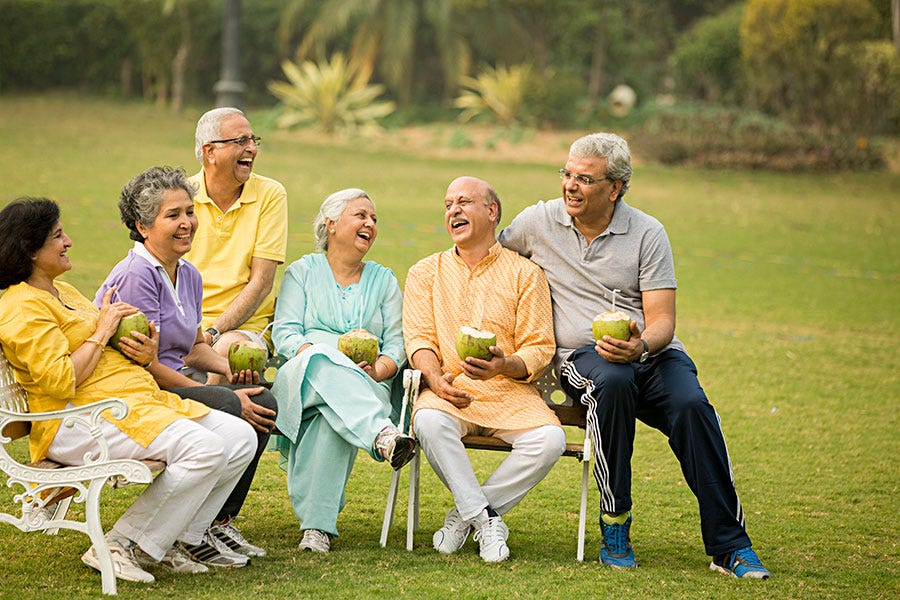
Chennai is set to see a new addition to its evolving housing landscape as Manasum Senior Living plans to develop The Madras Pavilion, a senior-focused residential project in partnership with VNCT Global. The proposed development reflects a growing demand for age-responsive housing in Indian cities, where demographic shifts and changing family structures are reshaping urban living needs.
Planned across approximately 4.5 acres, the project will include a mix of villas and apartments designed specifically for senior residents. With a total of over 120 units, including compact one-bedroom apartments and slightly larger villa formats, the development is positioned to cater to independent senior citizens seeking manageable, community-oriented living environments. The investment, estimated at around ₹150 crore, indicates increasing institutional interest in specialised housing segments beyond conventional residential supply. Urban planners note that senior living projects such as The Madras Pavilion signal a gradual diversification of the real estate market in Chennai. Traditionally dominated by family-centric housing, the city is now witnessing the emergence of niche segments that respond to evolving demographic realities, including longer life expectancy and rising migration of younger populations for work. This leaves a growing elderly population seeking safe, accessible, and socially engaging living arrangements.
The design and density of such projects also raise important questions about land use efficiency and urban integration. With relatively low-rise formats like villas included alongside apartments, experts suggest that balancing built density with open space, walkability, and healthcare access will be critical. Senior housing, if planned well, can reduce pressure on public health infrastructure by incorporating preventive care, assisted living support, and community networks within residential complexes. However, the expansion of senior living projects also highlights broader concerns around inclusivity and affordability. While developments like The Madras Pavilion cater to middle- and upper-income groups, there remains a significant gap in accessible housing options for lower-income elderly populations. Policy experts argue that without regulatory frameworks or incentives, the benefits of such specialised housing may remain limited to a small segment of society.
Environmental considerations are also becoming central to new developments in Chennai, a city increasingly vulnerable to climate risks such as flooding and heat stress. Integrating climate-resilient design such as efficient water management, passive cooling, and green cover will be essential to ensure long-term sustainability, particularly for elderly residents who are more vulnerable to extreme weather events. As Chennai’s urban form continues to evolve, projects like The Madras Pavilion reflect both opportunity and responsibility. They point to a future where housing is more tailored to life stages, but also underscore the need for planning frameworks that prioritise inclusivity, resilience, and citizen well-being across all income groups.
Chennai Manasum Senior Living Project Expands Housing Choices