HomeLatestMumbai Housing Shifts To Affordable Sea View Zones

Mumbai Housing Shifts To Affordable Sea View Zones

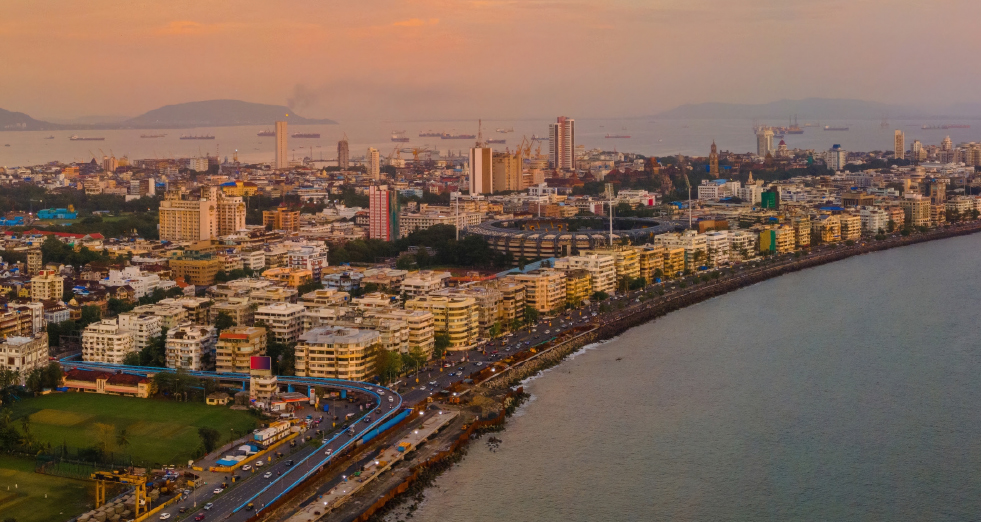
Mumbai’s housing market, long defined by high-value coastal real estate, is witnessing a gradual shift as buyers increasingly explore peripheral and emerging locations offering relatively affordable sea view apartments. This transition reflects not only pricing pressures in prime neighbourhoods but also changing urban dynamics shaped by infrastructure expansion and evolving lifestyle preferences.

In traditionally premium seafront areas across South Mumbai and the western suburbs, property values remain among the highest in the country, effectively excluding most middle-income buyers. However, newer micro-markets across the Mumbai Metropolitan Region (MMR) are creating entry points into the aspirational segment of sea-facing homes at comparatively moderate price levels. These include locations along the eastern waterfront, extended suburbs, and nodes across Navi Mumbai. Urban planners point to infrastructure-led growth as a key enabler. Improved connectivity corridors particularly trans-harbour links, coastal roads, and proposed bridges are redefining accessibility to previously underdeveloped coastal stretches. Areas along the Sewri–Wadala belt, for instance, are benefiting from large-scale transport projects, which are gradually integrating them into the city’s economic core. As a result, demand for affordable sea view apartments in such zones is rising, especially among early-stage investors and first-time homebuyers.

Similarly, western suburban pockets like Versova continue to attract interest due to their established social infrastructure combined with relatively lower entry prices compared to neighbouring premium districts. Yet, the availability of affordable sea view apartments here is largely limited to older housing stock, raising questions around redevelopment, building safety, and long-term sustainability.Further north, locations such as Madh Island highlight a different trade-off. While property prices remain comparatively lower, limited connectivity and fragile coastal ecosystems present challenges. Experts caution that future development in such areas must be aligned with environmental safeguards, particularly given rising climate risks such as coastal erosion and flooding. Beyond Mumbai’s municipal limits, the affordability factor becomes more pronounced. Peripheral regions like Mira Road–Bhayandar and Ulwe in Navi Mumbai are witnessing increased traction due to lower land costs and upcoming infrastructure links. These areas offer some of the most accessible affordable sea view apartments, but they also underscore the growing spatial divide between the city’s core and its expanding edges.

This outward movement of housing demand raises broader questions about urban planning priorities. While improved infrastructure is enabling decentralisation, it also risks encouraging unchecked sprawl unless supported by adequate public services, climate-resilient design, and inclusive housing policies. For homebuyers, the shift presents an opportunity but also a decision shaped by trade-offs between affordability, connectivity, and liveability. For policymakers, it signals the need to ensure that coastal development remains environmentally responsible and socially equitable as Mumbai’s housing geography continues to evolve.

Also Read : Mumbai MHADA Redevelopment To Impact 75000 Residents
Mumbai Housing Shifts To Affordable Sea View Zones
RELATED ARTICLES

LEAVE A REPLY

Please enter your comment!
Please enter your name here

- Advertisment -spot_img

Most Popular

Recent Comments

India Construction Waste Crisis Demands Early Action

India Construction Waste Crisis Demands Early Action

As India accelerates infrastructure delivery and urban expansion,experts are calling for a fundamental shift in how the construction industry addresses material waste. The issue has...
India Construction Growth Climbs Global Rankings Fast

India Construction Growth Climbs Global Rankings Fast

India has strengthened its position as one of the world’s most influential construction markets,with its contribution to global building activity rising sharply amid sustained...
India Infrastructure Push Reshapes Future Urban Networks

India Infrastructure Push Reshapes Future Urban Networks

India is continuing to channel significant public investment into transport networks,industrial capabilities and advanced manufacturing as policymakers seek to sustain economic momentum while preparing...
KD Industries Merger Reflects Circular Economy Push

KD Industries Merger Reflects Circular Economy Push

A proposed corporate restructuring in India’s metal and manufacturing sector is drawing attention to the increasing role of sustainability led business models in industrial...
India Building Sector Adapts To Technology Shift

India Building Sector Adapts To Technology Shift

India’s construction sector is undergoing a significant structural shift as digital technologies, sustainability requirements and changing urban needs reshape how buildings and infrastructure are...