HomeLatestIndia Steel Growth Model Under Coal Pressure

India Steel Growth Model Under Coal Pressure

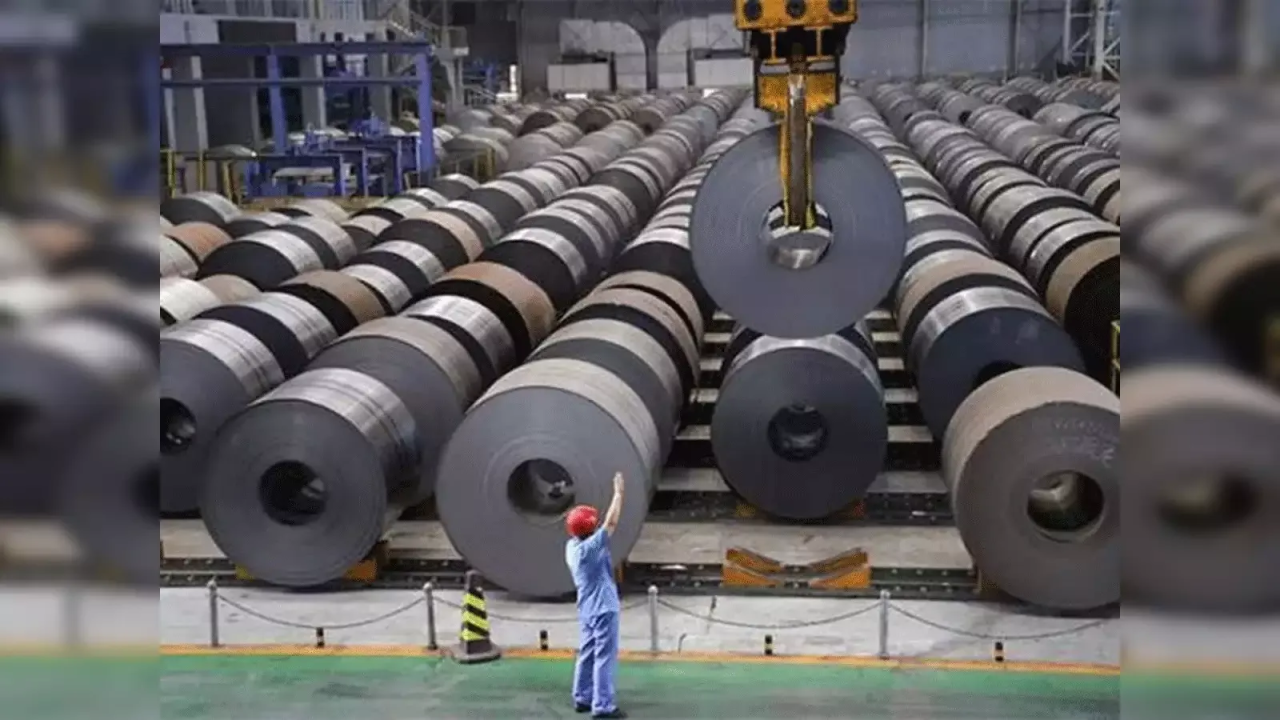
India’s steel expansion plans are facing renewed scrutiny after a new energy policy study warned that greater imports of US metallurgical coal would offer only limited relief from the country’s deeper supply vulnerability. The report argues that India’s fast-growing steel sector remains heavily exposed to imported coal markets, creating cost, climate and geopolitical risks at a time when urban infrastructure demand is accelerating.

The analysis, released by the Institute for Energy Economics and Financial Analysis (IEEFA), says India has diversified some purchases away from Australia, with the United States emerging as the second-largest supplier of metallurgical coal. However, it cautions that changing suppliers does not solve structural dependence because Australia still dominates global export volumes and disruptions there can lift prices worldwide. That matters for India’s city-building agenda. Steel is a core input for metro systems, bridges, transmission networks, industrial parks, affordable housing and logistics corridors. If imported coal prices rise sharply, the cost base of steelmakers can increase, potentially feeding into construction budgets and delaying projects.India aims to build crude steel production capacity of 300 million tonnes per annum by 2030. Yet much of the pipeline under development is based on blast furnace routes that rely on coking or metallurgical coal. According to the report, around 64% of the 382 million tonnes per annum of steel capacity under development is linked to coal-based production pathways. The study estimates that roughly 770 kilograms of metallurgical coal are needed to produce one tonne of crude steel through conventional blast furnace methods.

If planned projects proceed largely unchanged, India’s additional coal requirement could rise sharply over the next decade. Climate-linked supply shocks are already part of the equation. Flooding in Australia’s key mining regions earlier this year disrupted shipments and pushed prices higher as global buyers searched for alternatives. Analysts warn that more frequent extreme weather events could make such volatility increasingly common. For urban economies, the issue is no longer only about industrial fuel—it is about resilience. Cities depend on predictable supplies of steel for transport, sanitation, flood control and clean energy infrastructure. Input disruptions can ripple through contractors, housing markets and municipal finances.The report argues that long-term energy security may lie in reducing coal dependence rather than simply broadening import sources. It points to scrap-based electric arc furnaces and green hydrogen-enabled steelmaking as strategic alternatives that can rely more on domestic renewable energy and recycled materials. 

Industry experts note that transition costs remain high and large-scale deployment will take time. Yet delaying diversification of steelmaking technology could leave India more exposed to global commodity shocks just as demand for urban infrastructure peaks.The central question for policymakers is therefore shifting: not only how to produce more steel, but how to produce it with greater price stability, lower emissions and stronger national resilience.

Also Read: Star Cement Renewable Move Backs Cleaner Growth

India Steel Growth Model Under Coal Pressure
RELATED ARTICLES

LEAVE A REPLY

Please enter your comment!
Please enter your name here

- Advertisment -spot_img

Most Popular

Recent Comments

JSW Utkal Notice Raises Groundwater Concerns

JSW Utkal Notice Raises Groundwater Concerns

0
A major steel project in Odisha has come under fresh environmental scrutiny after the National Green Tribunal issued notices over allegations of unauthorised groundwater...
Tata Steel Volumes Reflect Infrastructure Demand

Tata Steel Volumes Reflect Infrastructure Demand

0
Tata Steel has reported its highest-ever annual crude steel production and deliveries in India for FY26, underlining the strength of domestic demand driven by...
Steel Exchange Repayment Boosts Industrial Flexibility

Steel Exchange Repayment Boosts Industrial Flexibility

0
Steel Exchange India has redeemed ₹43.19 crore of non-convertible debentures in a single tranche, accelerating efforts to reduce leverage at a time when domestic...
NoBroker Interiors Push Expands Offline Presence

NoBroker Interiors Push Expands Offline Presence

0
NoBroker is expanding physical experience centres for its interiors business, signalling how India’s digital-first housing platforms are moving into offline advisory spaces as homeowners...
India Steel Target Deepens Coal Supply Challenge

India Steel Target Deepens Coal Supply Challenge

0
India’s ambition to build 300 million tonnes of steelmaking capacity by 2030 is sharpening concerns over the country’s heavy dependence on imported coking coal,...