HomeLatestIndia Steel Target Deepens Coal Supply Challenge

India Steel Target Deepens Coal Supply Challenge

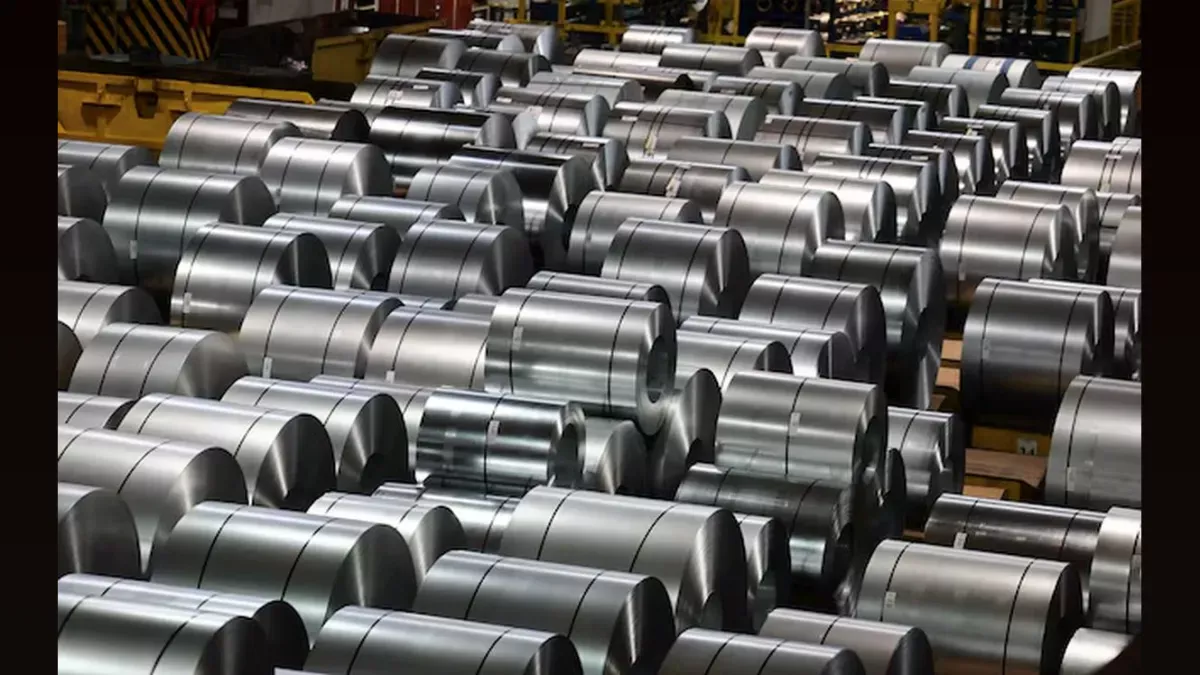
India’s ambition to build 300 million tonnes of steelmaking capacity by 2030 is sharpening concerns over the country’s heavy dependence on imported coking coal, a critical raw material for conventional steel production. As steel demand rises with new housing, transport corridors and industrial expansion, policymakers face a growing dilemma: how to scale output without increasing exposure to volatile global coal markets.

India is already the world’s second-largest steel producer and continues to see strong domestic demand from infrastructure, construction, railways and manufacturing. Government data shows crude steel output reached about 168.4 million tonnes in FY2025-26, reflecting double-digit annual growth. To meet the 2030 capacity goal, the country will need a major increase in raw material availability. Industry estimates suggest coking coal demand could rise sharply over the decade, driven by blast furnace-based expansion plans. A recent sector report projected India’s coking coal imports may climb significantly as new steel capacity comes online. The core challenge is geological as much as industrial. India has abundant thermal coal reserves used for power generation, but domestic coking coal is limited in both quantity and quality. Government sources note that imports are used to bridge the gap in indigenous availability and improve metallurgical performance for steelmaking. For cities, this is more than an industrial issue. Steel is fundamental to metro systems, bridges, flood barriers, logistics hubs, renewable energy equipment and affordable housing. If imported coking coal prices rise or supply chains are disrupted, construction costs can increase, affecting public works budgets and private real estate timelines.

Recent global market trends illustrate the risk. Supply disruptions in major exporting countries, freight volatility and climate-linked weather events have repeatedly moved coking coal prices. Analysts say India’s growing share of global demand could make it more exposed to these swings unless sourcing becomes more diversified. The dependence also complicates climate strategy. Traditional blast furnace steelmaking is carbon intensive, while imported coal adds shipping-related emissions. At the same time, India is trying to reduce industrial carbon intensity and improve competitiveness in export markets facing carbon border taxes.That is pushing interest toward alternative routes such as scrap-based electric arc furnaces, gas-based steelmaking and eventually green hydrogen processes. A recent policy draft reviewed by Reuters indicated India aims to cut steel-sector emissions while more than doubling capacity over the next decade. Industry experts caution that transition technologies require investment, power infrastructure and affordable clean energy. Scrap availability and gas pipeline access also remain uneven across regions.

The 300 million tonne target therefore represents two parallel tasks: producing more steel for a fast-urbanising economy, and redesigning how that steel is made. Capacity alone may no longer be the defining metric. Future resilience will depend on whether India can reduce imported coal exposure while keeping steel affordable for the next generation of cities.For policymakers, the next few years may determine whether expansion locks in old dependencies or accelerates a cleaner, more secure industrial model.

Also Read: Odisha Coal Projects Signal Industrial Value Shift

India Steel Target Deepens Coal Supply Challenge
RELATED ARTICLES

LEAVE A REPLY

Please enter your comment!
Please enter your name here

- Advertisment -spot_img

Most Popular

Recent Comments

India Decarbonisation Efforts Shift Toward Implementation

India Decarbonisation Efforts Shift Toward Implementation

India’s leading industrial, infrastructure and energy businesses used World Environment Day to outline a fresh round of sustainability targets and decarbonisation measures, signalling a...
Steel Exchange India Signals Debt Discipline Shift

Steel Exchange India Signals Debt Discipline Shift

Steel Exchange India has completed a scheduled interest payment of approximately ₹1.53 crore to holders of its listed non-convertible debentures (NCDs), according to a...
UltraTech Cement Slide Signals Market Caution

UltraTech Cement Slide Signals Market Caution

UltraTech Cement has emerged among a group of major listed companies experiencing consecutive declines in share prices over recent trading sessions, highlighting growing investor...
Andhra Cements Merger Plan Draws Infrastructure Attention

Andhra Cements Merger Plan Draws Infrastructure Attention

A proposed integration between Andhra Cements and Sagar Cements has added momentum to a broader wave of consolidation within India’s cement industry, reflecting changing...
Rathi Steel, Steel Industry, Infrastructure Development, Urban Growth, Sustainable Construction, Climate Resilient Cities, Industrial Manufacturing, Housing Development, Construction Economy, Green Infrastructure, Real Estate Growth, Building Materials Sector

Rathi Steel Growth Outlook Tied To Infrastructure Demand

Fresh disclosures linked to Rathi Steel and Power’s latest quarterly performance have drawn attention to the evolving dynamics of India’s steel and construction materials...