HomeLatestIndia Coal Reserves Support Rising Power Use

India Coal Reserves Support Rising Power Use

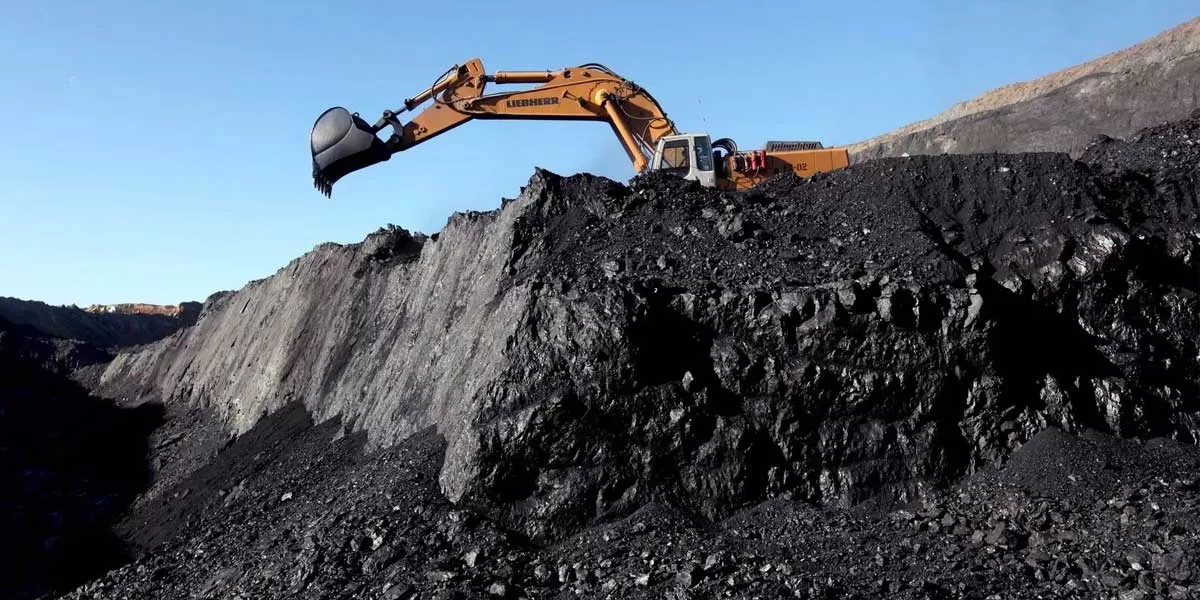
India has said coal inventories remain sufficient to meet rising electricity demand, offering short-term reassurance ahead of peak summer consumption when air-conditioning loads, industrial use and irrigation needs typically push the grid harder.

Officials indicated that coal stocks at mines and power stations remain at comfortable levels, with enough fuel available for around 24 days of power generation at current usage rates. Total nationwide reserves were placed at about 220 million tonnes, reflecting stronger domestic production and stockpiling measures. The announcement matters because coal still underpins India’s power system despite rapid renewable energy additions. Solar and wind capacity have expanded sharply, yet coal-fired plants continue to supply dependable round-the-clock electricity, particularly when evening demand rises or renewable output fluctuates.For cities, the implications are immediate. Reliable power supply supports metro rail systems, water pumping stations, hospitals, cooling centres, data centres and household comfort during extreme heat. Any fuel shortage can quickly translate into outages, voltage instability or higher costs for diesel backup generation.That places India coal stocks at the centre of both energy security and urban resilience. Summer heatwaves are becoming more intense and prolonged across several states, increasing electricity demand just as planners attempt to lower emissions and improve grid reliability.

Government projections cited in recent briefings suggest peak power demand could reach 265–270 GW this year, requiring steady fuel availability during the hottest months. Thermal generation therefore remains a critical balancing source while transmission networks and battery storage scale up. Yet the longer-term challenge is more complex than maintaining reserves. Coal use brings air pollution, water stress and carbon emissions, particularly near industrial belts and dense urban clusters already facing environmental pressure. Analysts say future success will depend on managing a dual transition: securing enough power today while accelerating cleaner systems for tomorrow.That means newer coal plants operating more efficiently, older units being retired in phases, and faster investment in solar, wind, pumped hydro and storage. Grid modernisation is equally important so renewable electricity can move from generation-rich regions to high-demand cities.The India coal stocks story also has an economic angle. Stable domestic supply can reduce emergency imports and shield utilities from volatile global fuel prices. Lower supply shocks help keep electricity tariffs more predictable for households, businesses and public transport agencies.Experts note that energy resilience increasingly depends on diversification rather than a single fuel source. Coal may remain central in the near term, but dependence is expected to decline gradually as storage costs fall and renewable integration improves.

For now, adequate inventories reduce immediate summer risk. The bigger test for India is whether it can use this breathing space to build a cleaner, more flexible power system capable of serving fast-growing cities without locking in higher environmental costs for decades.

Also Read: MYK LATICRETE Campaign Questions Cement Dependence

India Coal Reserves Support Rising Power Use
RELATED ARTICLES

LEAVE A REPLY

Please enter your comment!
Please enter your name here

- Advertisment -spot_img

Most Popular

Recent Comments

Zuari Agro Chemicals Faces Softer Quarterly Demand

Zuari Agro Chemicals Faces Softer Quarterly Demand

Zuari Agro Chemicals reported a weaker financial performance for the opening quarter of the financial year, with revenue declining to around ₹6 billion as...
India Steel Strategy Shifts Towards Value Products

India Steel Strategy Shifts Towards Value Products

India’s largest steelmakers are increasingly looking beyond expanding crude steel output and are instead prioritising value added manufacturing to strengthen earnings and improve capital...
Uttar Pradesh Cement Capacity Expansion Supports Infrastructure

Uttar Pradesh Cement Capacity Expansion Supports Infrastructure

India’s cement manufacturing landscape has entered another phase of expansion after Birla Corporation increased its installed cement capacity to 21.4 million tonnes annually following...
India Aluminium Extrusion Demand Drives Urban Growth

India Aluminium Extrusion Demand Drives Urban Growth

India’s aluminium extrusion market is poised for sustained expansion as demand from construction, transport, renewable energy and manufacturing sectors approaches 858,000 tonnes, reinforcing the...
India Steel Sector Gains Investment Grade Recognition

India Steel Sector Gains Investment Grade Recognition

India’s largest steel producer has secured a global investment-grade credit rating from Moody’s, a move expected to strengthen access to international capital as the...