HomeLatestMumbai Radisson Hotel Plans Reshape Growth Corridors

Mumbai Radisson Hotel Plans Reshape Growth Corridors

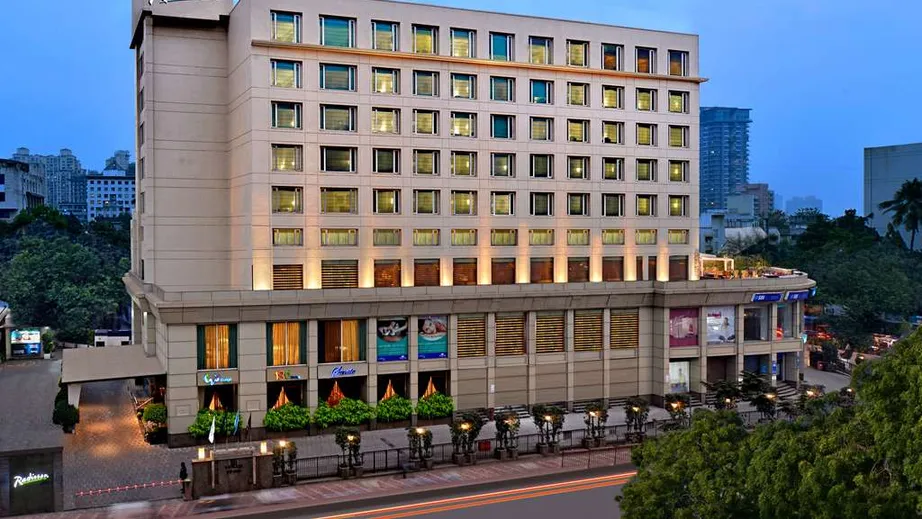
The expansion of the Mumbai Radisson Hotel network into Thane and Mira Bhayandar signals a decisive shift in how hospitality infrastructure is aligning with the city’s outward urban growth. As commercial activity and residential density move beyond traditional business districts, developers are targeting peripheral zones that are increasingly integrated into the metropolitan economy.

Two mid-sized hotel developments, together adding over 200 rooms, are planned within mixed-use projects in Thane and along the Mira Bhayandar corridor. These locations, once considered distant suburbs, are now emerging as high-activity micro-markets driven by improved road access, upcoming metro lines, and proximity to industrial and financial hubs. Urban planners note that the rise of such hospitality projects reflects a broader decentralisation trend in the Mumbai Metropolitan Region. As employment centres diversify and office clusters expand into satellite zones, the need for business accommodation, conference facilities, and short-stay options follows. This reduces pressure on central districts while redistributing economic activity more evenly across the region.

The Mira Bhayandar development, in particular, is positioned within a rapidly transforming corridor linked to National Highway 48 and future metro connectivity. Historically underserved in terms of organised hospitality, the area is witnessing a shift as retail, residential, and office spaces converge. Analysts suggest that such developments can catalyse local employment, improve service ecosystems, and enhance the area’s economic profile. Similarly, Thane’s evolution into a commercial extension of Mumbai has been driven by infrastructure upgrades and relatively affordable land. The addition of hotel capacity here indicates confidence in sustained corporate travel demand, especially from sectors such as information technology and financial services. However, experts caution that infrastructure must keep pace with this growth to avoid congestion and environmental stress. The Mumbai Radisson Hotel expansion also raises questions about sustainability in fast-growing suburbs.

Mixed-use developments offer opportunities to integrate energy-efficient design, water management systems, and public transport accessibility. Yet, without strong regulatory oversight, such projects risk contributing to unchecked urban sprawl and rising carbon footprints. From a citizen perspective, the arrival of organised hospitality can bring improved amenities and economic opportunities. However, it also underscores the need for inclusive planning that balances commercial interests with affordable housing, public spaces, and ecological preservation. As the Mumbai Radisson Hotel footprint extends into these emerging corridors, the developments highlight a critical moment for the city’s growth trajectory. Whether this expansion leads to more balanced and resilient urbanisation will depend on how effectively infrastructure, sustainability, and community needs are integrated into the next phase of metropolitan planning.

Also Read : Mumbai Suburbs Offer Varied Options For Small Homes
Mumbai Radisson Hotel Plans Reshape Growth Corridors
RELATED ARTICLES

LEAVE A REPLY

Please enter your comment!
Please enter your name here

- Advertisment -spot_img

Most Popular

Recent Comments

Mumbai Property Registrations Reach New Milestone

Mumbai Property Registrations Reach New Milestone

Mumbai’s housing market recorded its strongest July performance in more than a decade, with property registrations crossing 13,600 transactions, underscoring sustained demand despite elevated...
India Real Estate Market Shifts Towards Sustainable Growth

India Real Estate Market Shifts Towards Sustainable Growth

India’s residential property market continues to hold a central place in household wealth creation, even as financial investments gain wider acceptance. The trend reflects...
India Aluminium Sector Faces Raw Material Challenge

India Aluminium Sector Faces Raw Material Challenge

India’s smaller aluminium manufacturers are facing mounting financial pressure as rising raw material costs continue to erode competitiveness, prompting industry bodies to seek policy...
NMDC Steel Governance Move Supports Growth Plans

NMDC Steel Governance Move Supports Growth Plans

NMDC Steel has announced a key leadership change in its corporate governance structure with the appointment of a new Company Secretary and Compliance Officer,...
Tata Steel Earnings Reflect Infrastructure Momentum

Tata Steel Earnings Reflect Infrastructure Momentum

India’s expanding infrastructure pipeline helped Tata Steel Q1 Results reflect stronger domestic operational resilience during the first quarter of FY27, even as international operations...