HomeLatestMumbai Suburbs Offer Varied Options For Small Homes

Mumbai Suburbs Offer Varied Options For Small Homes

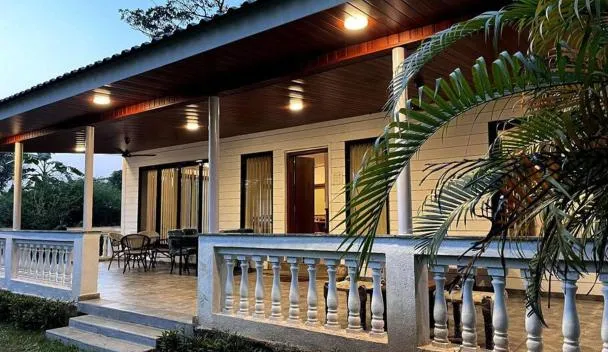
Mumbai’s housing market continues to be anchored by compact homes, with 1 BHK apartments forming a significant share of new supply across key micro-markets, even as buyer aspirations gradually evolve toward larger living spaces. This dual trend is shaping how developers plan projects and how households approach ownership in one of India’s most expensive cities.

Recent regulatory filings indicate that smaller configurations still dominate new launches, accounting for a majority share of residential units. The continued traction of 1 BHK apartments reflects their alignment with affordability thresholds, especially for first-time buyers and migrant professionals seeking proximity to employment hubs. In the northern stretches of the city, Dahisar has emerged as a relatively accessible entry point into the housing market. Lower capital values and moderate rental yields make it attractive for budget-conscious buyers, though urban planners caution that infrastructure upgrades must keep pace with population inflows to avoid future strain on civic services.

Moving southward, the Borivali–Kandivali belt presents a more established suburban ecosystem, supported by rail connectivity and social infrastructure. Here, 1 BHK apartments continue to attract both end-users and investors, driven by stable rental demand. However, concerns around congestion and limited open spaces remain, raising questions about long-term liveability in high-density clusters. On the eastern side, Mulund’s proximity to Thane and improving connectivity have contributed to its steady demand. The area offers comparatively balanced pricing and access to green pockets, making it one of the few micro-markets where affordability intersects with relatively better environmental conditions. Urban experts note that such locations could play a critical role in distributing population pressure more evenly across the metropolitan region.In contrast, central and western premium districts such as Bandra illustrate the widening gap between affordability and aspirational housing. Limited supply of smaller units and significantly higher property values have made 1 BHK apartments scarce, effectively pushing mid-income buyers out of these neighbourhoods. This shift underscores the growing spatial divide within Mumbai’s housing landscape.

Andheri, positioned as a commercial and transit hub, continues to draw demand due to its connectivity to business districts and metro networks. While 1 BHK apartments remain available, pricing reflects the premium attached to accessibility. The area exemplifies how infrastructure-led growth can sustain housing demand, but also highlights the need for transit-oriented, sustainable planning to prevent overburdening urban systems.The persistence of 1 BHK apartments in Mumbai’s housing mix underscores their importance in maintaining market liquidity. Yet, the simultaneous rise in demand for larger homes signals changing lifestyle expectations in a post-pandemic context. For policymakers and planners, the challenge lies in ensuring that future housing supply balances affordability, liveability, and environmental resilience. As Mumbai expands, the focus is likely to shift toward creating inclusive neighbourhoods that integrate transport, green spaces, and essential services ensuring that compact housing does not come at the cost of quality of life.

Also Read : Mumbai Majaswadi Redevelopment Hits Fresh Hurdle
Mumbai Suburbs Offer Varied Options For Small Homes
RELATED ARTICLES

LEAVE A REPLY

Please enter your comment!
Please enter your name here

- Advertisment -spot_img

Most Popular

Recent Comments

Shyam Metalics Investor Meet Draws Industry Attention

Shyam Metalics Investor Meet Draws Industry Attention

A scheduled interaction between a leading metals producer and institutional investors is drawing attention to broader trends shaping India’s manufacturing and infrastructure economy. The upcoming...
Asian Paints Dividend Signals Resilient Housing Demand

Asian Paints Dividend Signals Resilient Housing Demand

A major player in India’s paints and coatings industry has announced a final shareholder payout for FY26, a development that is drawing attention beyond...
SAIL Strategy Signals Shift To Value Steel

SAIL Strategy Signals Shift To Value Steel

India’s largest state owned steel producer is recalibrating its growth strategy for FY27, placing greater emphasis on specialised steel products as infrastructure, manufacturing and...
Jindal Steel Capacity Gains Boost Industrial Efficiency

Jindal Steel Capacity Gains Boost Industrial Efficiency

India’s steel sector is witnessing a new wave of technology led modernisation as producers invest in advanced manufacturing systems designed to improve productivity, product...
India Low Carbon Construction Gains Urban Momentum

India Low Carbon Construction Gains Urban Momentum

India’s construction industry is entering a new phase where environmental performance is becoming nearly as important as speed and scale.  The shift comes as India...