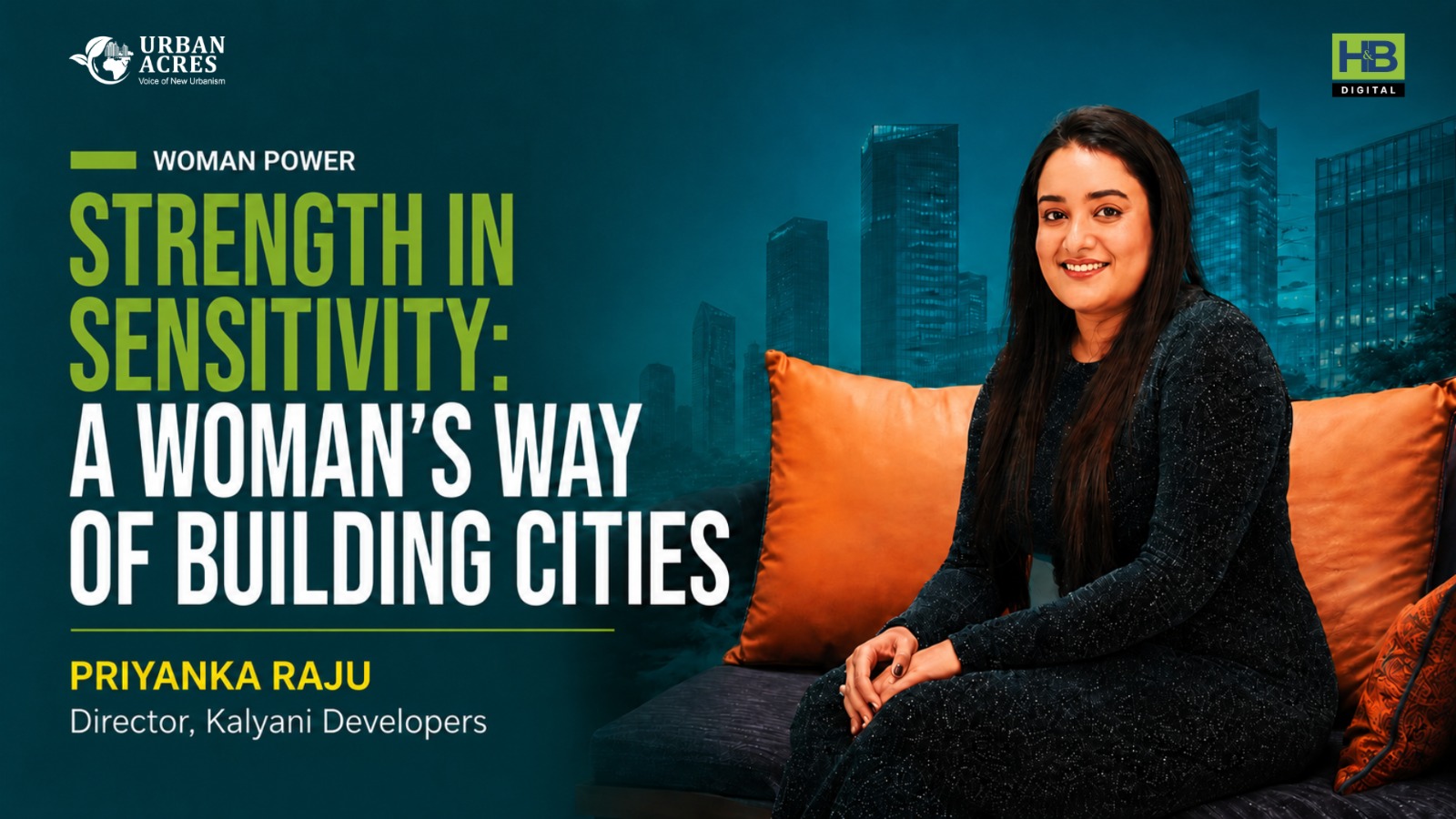

Priyanka Raju, Director Kalyani Developers on Architecture, Leadership and Redefining Real Estate from Within, in an exclusive conversation with Meenakshi Singh.
Q You trained as an architect before stepping into leadership at Kalyani Developers. How has that architectural grounding shaped the way you think about business, strategy and long-term value?
It has been about three years since I formally stepped into the business, and while I am actively involved across residential and hospitality ventures, every day continues to be a learning experience under the guidance of my father, whose vision and experience have been foundational to my professional growth.
My architectural training has deeply influenced how I approach both design and strategy. Architecture teaches you to think holistically—about space, people, function and context. That mindset naturally extends beyond structures. Whether it is planning a residential community or a hospitality project, I instinctively visualise how people will experience the space, how it integrates with its surroundings, and what kind of long-term value it creates.
This sensitivity to user experience, combined with a growing understanding of business, is shaping a more thoughtful, design-led approach at Kalyani Developers—right from master planning to branding. I see this journey as a marathon, not a sprint, and I am grateful for the strong legacy backing me and the highly capable team that supports me.
Q Real estate remains a largely male-dominated industry. As a woman stepping into leadership, what challenges—and opportunities—have stood out most clearly to you?
Interestingly, when I first entered the business, I didn’t carry the mindset that this was a male-dominated space. My focus was on learning, understanding how each vertical, whether commercial, hospitality or residential, actually functions. Over time, however, I did become aware that women are still underrepresented in leadership and decision-making roles.
What made a significant difference for me was the unwavering support of my father. He never made me feel that gender was a limitation. He guided me with the same intensity and expectations that he would apply to anyone else, and that was incredibly empowering.
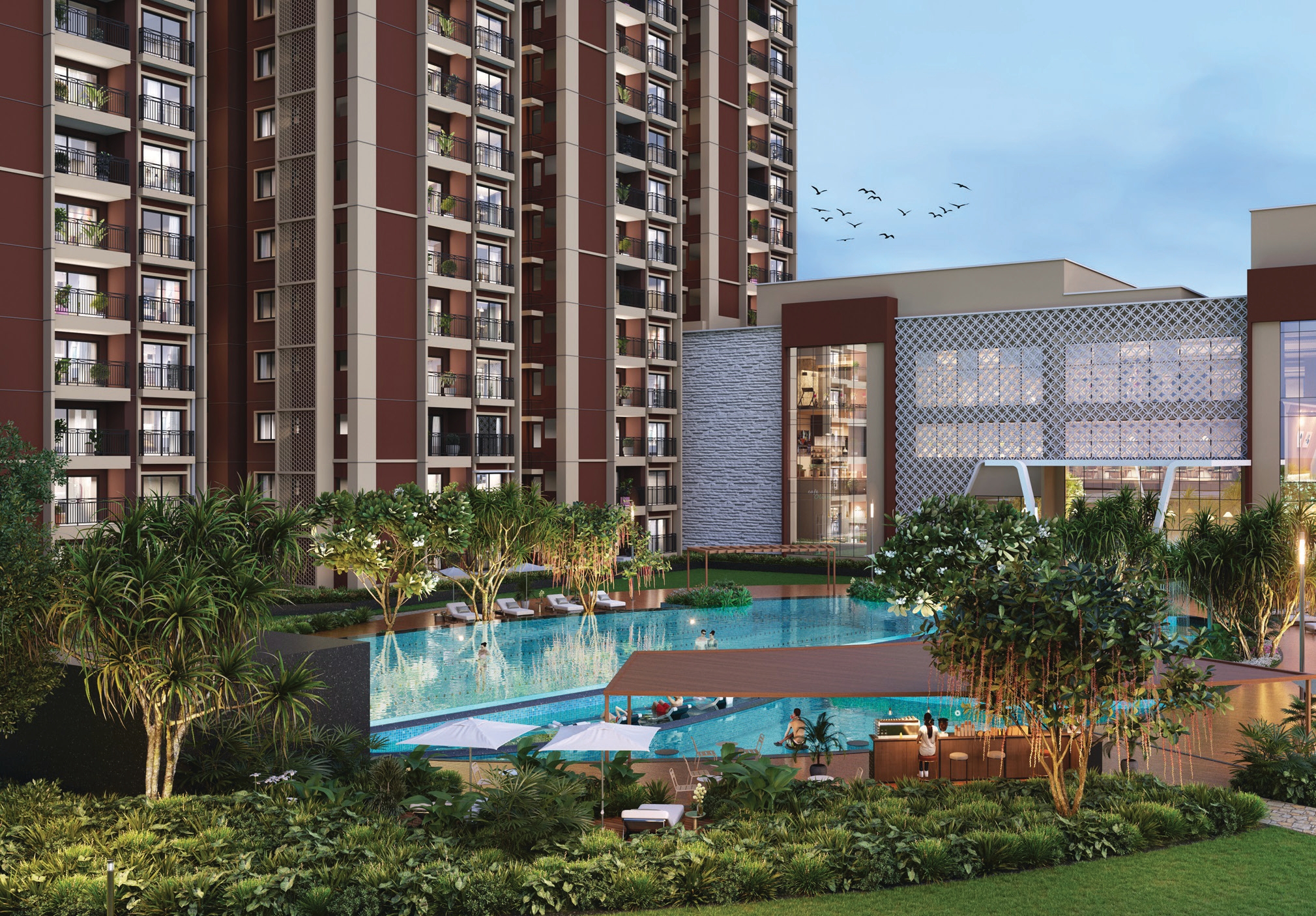
I do believe women bring a distinct sensitivity to this industry, especially in understanding how spaces are used daily and how design impacts lived experiences. That perspective has shaped my approach to projects like DoubleTree by Hilton and our first residential development, LivingTree in North Bengaluru. It is encouraging to see the sector evolving, and I hope to contribute to that change by building with intent and empathy.
Q Can you share how you’ve consciously used your leadership role to create space for other women within Kalyani Developers?
For me, empowering women has never been about a single moment; it has been about embedding a mindset into everyday decisions. One of the most fulfilling aspects of my journey has been helping create an environment where women feel confident to lead, contribute meaningfully and grow.
When we were building the core team for our residential vertical, we made a conscious effort to bring women into roles that directly shape how projects are designed, communicated and delivered. Today, women lead our Marketing and CRM teams and play critical roles in legal, liaising and design functions.
I strongly believe that diverse perspectives lead to more empathetic and thoughtful outcomes, especially in an industry that shapes how people live.
Q Research shows that representation matters, but bias often persists. From a leadership standpoint, what concrete actions are needed to bridge this gap sustainably?
Visibility is important, but real change happens through everyday leadership choices. It’s not just about giving women a seat at the table. It’s about ensuring their voices are genuinely heard, respected and acted upon.
This means involving women early in decision-making, trusting them with ownership of key projects, and backing their ideas publicly. At Kalyani, we focus not only on qualifications, but also on potential and perspective. When we see that spark, we make sure it is nurtured and supported.
Leaders also need to stay open to feedback and reflection. Inclusion should feel natural, not forced. When the culture is right, empowerment follows organically.
Q In today’s competitive real estate environment, what qualities do you believe define a strong brand leader—especially from a woman’s leadership lens?
A brand leader today must be deeply connected to both the product and the people it serves. Vision is important, but so is listening—being willing to adapt without losing your core values.
Customers today are informed and value-driven. They prioritise trust, transparency and long-term value over flashy narratives. That means leaders must stay curious, observant and ready to course-correct when needed.
For me, consistency is the quiet strength behind brand building. It’s not about one big campaign. It’s about showing up the right way, every day, across every touchpoint. In real estate, trust is everything, and once lost, it is very difficult to rebuild.
Q As Kalyani Developers looks to expand across South India in the luxury and upscale segments, what leadership challenges come with scale?
We are approaching expansion with clarity and intention. After the success of LivingTree, our focus has been on building strategically, not expanding for the sake of scale. We are already working on our next Bengaluru launch while shaping a broader roadmap across South India.
The key is understanding each market deeply and ensuring that the Kalyani brand experience remains consistent, relevant and authentic as we grow.
Q How are macro shifts like the Greater Bengaluru Authority announcement influencing your brand positioning and market strategy?
Our brand philosophy has always been rooted in long-term value, thoughtful design and trust—built over decades across commercial, hospitality and now residential real estate.
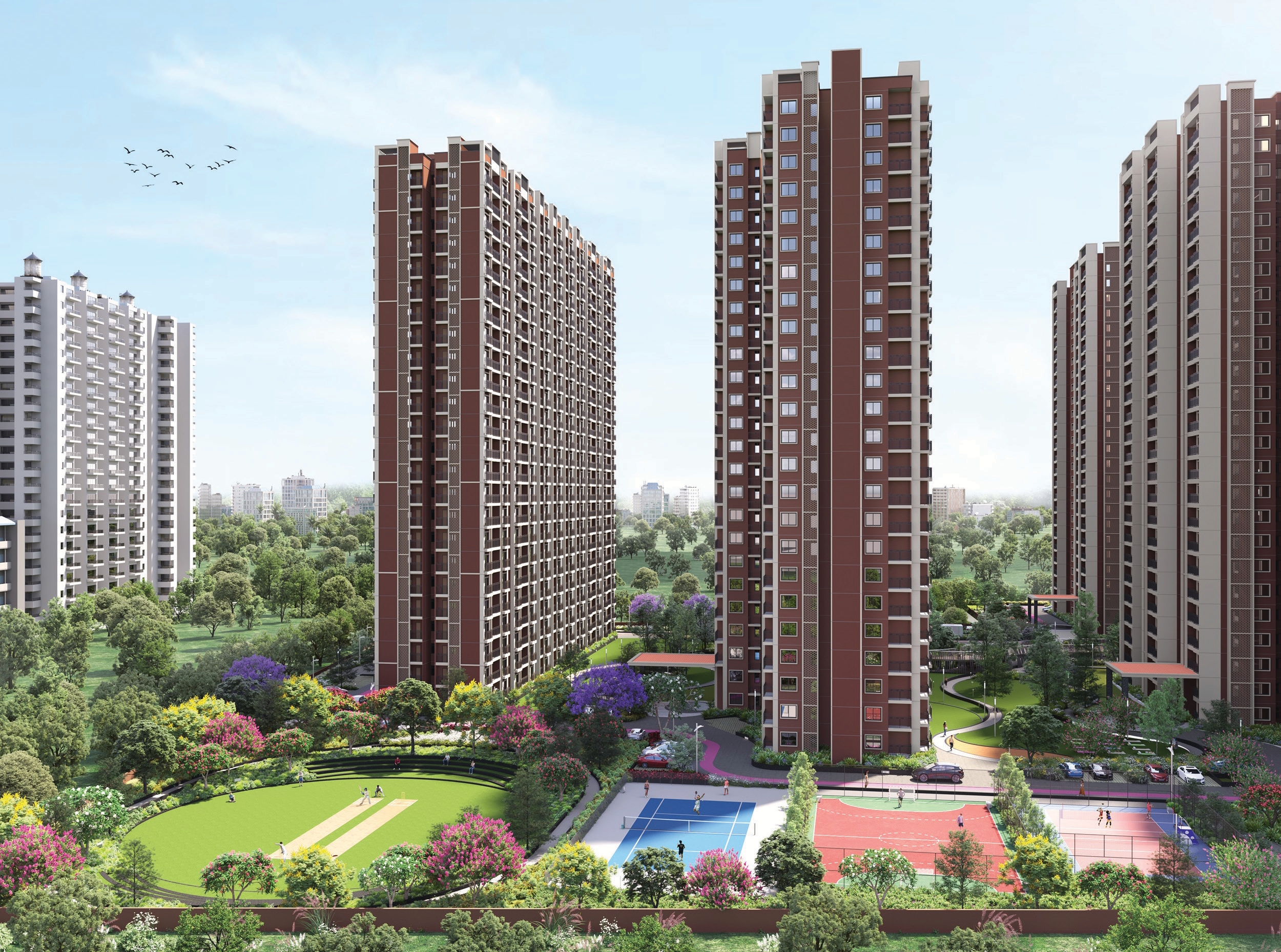
Projects like LivingTree in Bagalur were not reactions to policy announcements; they were outcomes of long-term urban growth thinking. The Greater Bengaluru Authority framework aligns well with how we plan, anticipating where cities are headed rather than chasing short-term signals.
Q In rapidly changing markets, how do you stay agile without diluting brand authenticity?
Authenticity comes from staying true to your core principles while being attentive to evolving needs. Agility does not mean reacting impulsively, it means responding thoughtfully.
At LivingTree, for instance, we introduced Juliet balconies across most units, recognising a post-COVID preference for openness, light and ventilation. It was a small but meaningful decision that enhanced liveability without increasing cost. That is how we define agility—adapting early, but always in a way that feels natural to the brand and valuable to the customer.
Q What is your long-term vision for the Kalyani brand under your leadership, particularly in the context of ESG, digital transformation and evolving consumer expectations?
My vision is to build Kalyani into a people-first, design-forward and future-ready brand. Digital transformation, for us, goes beyond marketing—it’s about enhancing the entire customer journey, from discovery to post-possession.
On ESG, sustainability is not a narrative; it’s a mindset. It already reflects in our planning, materials and community approach, and we intend to formalise this further by measuring and reporting impact.
We aim to build quietly, consistently and with purpose—setting benchmarks rather than chasing trends.
Q Finally, what advice would you offer aspiring women leaders looking to build influence, credibility and resilience in real estate?
Don’t wait to be given space. Claim it with confidence and back it with consistency. Credibility is built by doing the work well, showing up every day and paying attention to detail.
You don’t have to be loud to be impactful. Influence comes from trust, empathy and logic. And resilience doesn’t mean doing everything alone, it means building support systems, learning from setbacks and staying open to growth.
If we continue showing up for ourselves and for one another, we will create lasting space for women—not just in real estate, but across industries.
It’s not just about giving women a seat at the table—it’s about ensuring their voices are genuinely heard, respected and acted upon.
You don’t have to be loud to be impactful. Influence comes from trust, empathy and logic. And resilience doesn’t mean doing everything alone—it means building support systems…