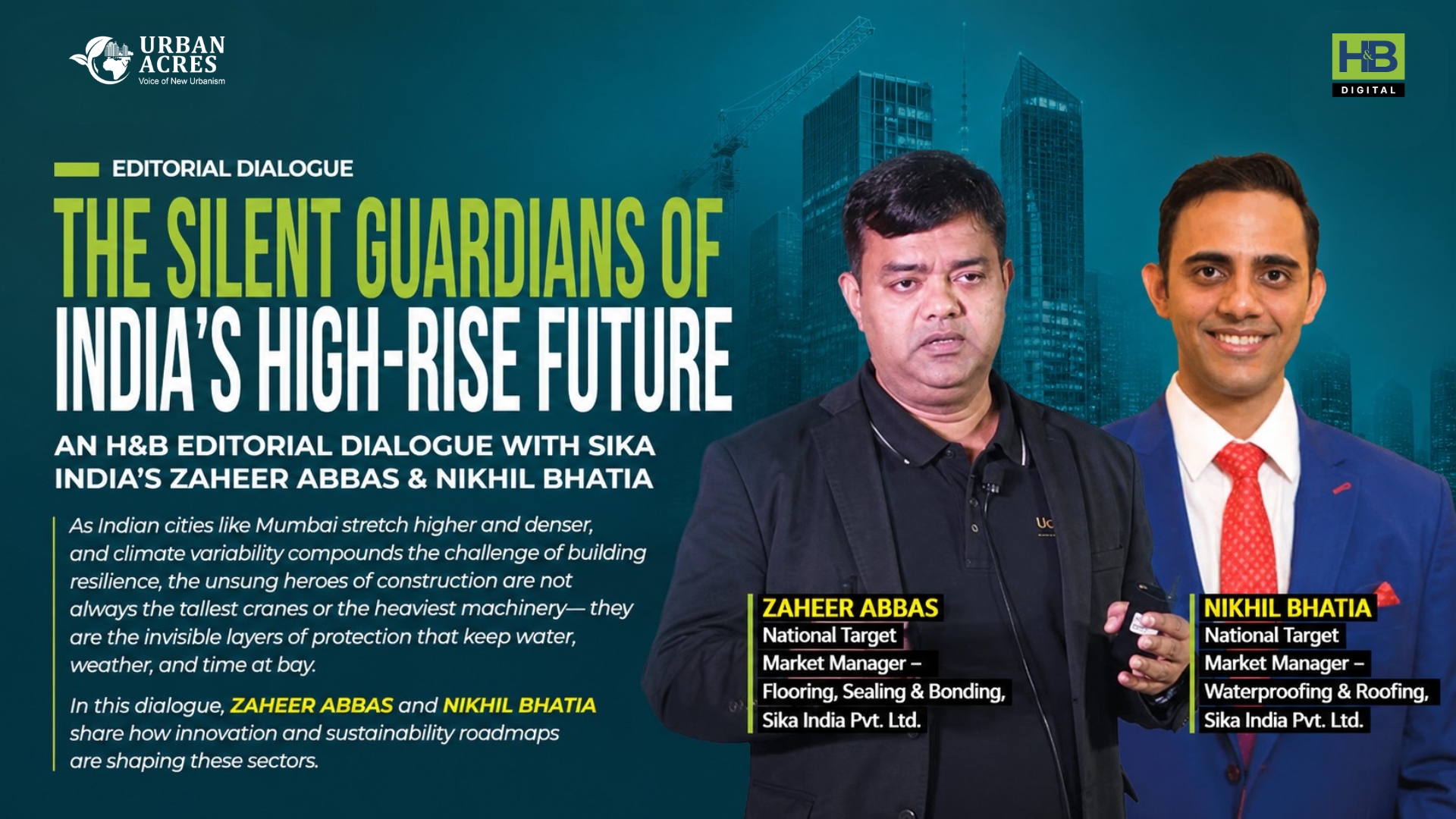
As Indian cities like Mumbai stretch higher and denser, and climate variability compounds the challenge of building resilience, the unsung heroes of construction are not always the tallest cranes or the heaviest machinery — they are the invisible layers of protection that keep water, weather, and time at bay. Waterproofing and sealants, once considered ancillary, have emerged as critical enablers of longevity and sustainability in the built environment. Homes & Buildings Magazine sat down with Zaheer Abbas, National Target Market Manager – Flooring and Sealing & Bonding, Nikhil Bhatia, National Target Market Manager – Waterproofing & Roofing, both from Sika India Private Ltd., to decode the evolving demand, innovation, and sustainability roadmap shaping these sectors.
Q Over the past 2–3 years, how has the demand for waterproofing and sealant systems changed, especially in dense and coastal cities like Mumbai?
Zaheer Abbas: ‘In parallel, demand for sealants and adhesives has surged with the boom in high-rise and coastal development. Cities like Mumbai, where land constraints push vertical growth, are relying increasingly on silicone, polyurethane, and hybrid systems for façades, curtain walls, and expansion joints. Essentially, design innovation is inseparable from sealant innovation’.
Nikhil Bhatia: ‘The waterproofing chemicals segment is expanding at over 13% CAGR (2023–2028). The growth is driven by residential, commercial, and infrastructure projects fuelled by developer’s awareness, RERA guidelines, and the structural complexities of high-rises construction, government infrastructure boost etc. New construction technologies also demand advanced waterproofing systems’.
 The Climate Challenge
Q Climate variability and urban flooding are rising concerns. What new challenges are developers facing?
Abbas: ‘Coastal zones bring their own threats — humidity, salt-laden air, and heavy rainfall. These demand UV-resistant, marine-grade, elastomeric sealants. The push today is for longer lifecycle solutions that withstand aggressive environments without premature failures’.
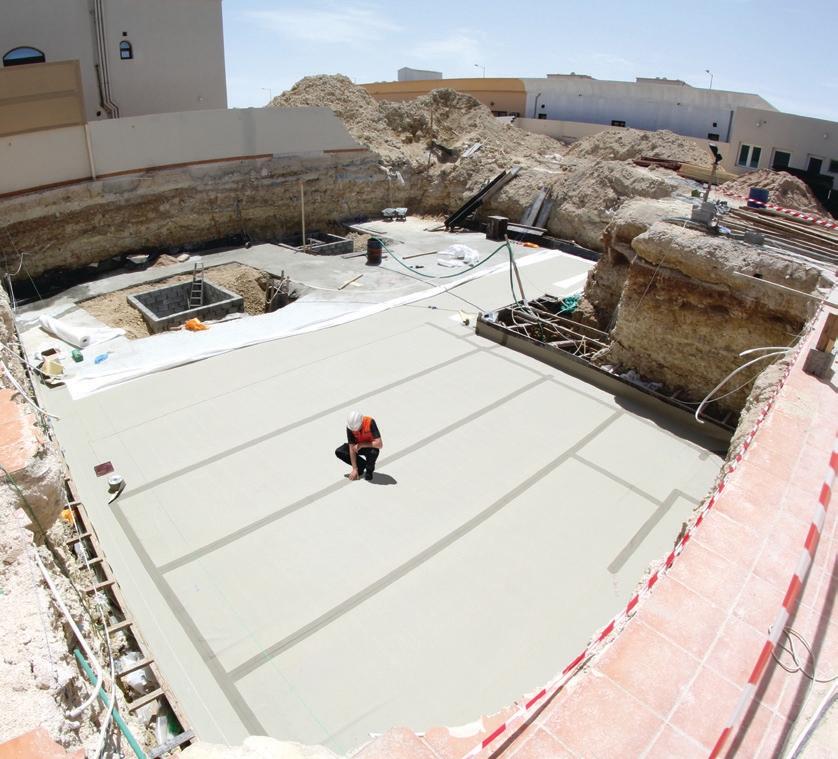
Bhatia: ‘Basement waterproofing is now a key battleground. Confined spaces, structural requirements like rock anchors and pressure release pipes, and terraces cluttered with services mean that traditional methods often fall short. Developers need new technologies designed to detail such complexities’.
Sectoral Drivers
Q Which sectors are leading demand for your solutions?
Abbas: ‘In sealants, it’s high-rise commercial and industrial sectors. Office parks, malls, hospitals, and airports are big demand drivers. In industries like pharma, food, and automotive, hygiene and chemical resistance requirements further amplify the shift to high-performance, low-VOC sealants’.
Bhatia: ‘Residential segment continues to dominate due to sheer scale. But the story lies in its complexities — from deep basements to podiums with dense plantation along with sway in high-rise buildings etc. The Regulatory frameworks and market awareness have accelerated adoption of chemical-based systems’.
Innovation at Work
Q What innovations are Sika bringing to market?
Abbas: ‘Sealants are evolving through PurForm® Technology. Traditional 1K PU sealants release CO2 during curing, causing bubbles and health hazards. PurForm eliminates this, offering bubble-free curing, high thermal stability, low VOCs, and non-toxic, odourless application. This is sustainability meeting performance head-on’.
Bhatia: ‘We’ve introduced Fully Bonded FPO Membranes with A+ Technology for raft foundations — high-performance, weldable, and superior to conventional membranes’.
‘Our Wet Bonded SBS Membranes solve the challenge of moisture-laden retaining walls’.
‘And with Under-Tile Waterproofing Membranes, speed meets performance — no plastering required, just direct adhesion’.
Performance in Action
Q Could you share a case study where these technologies proved decisive?
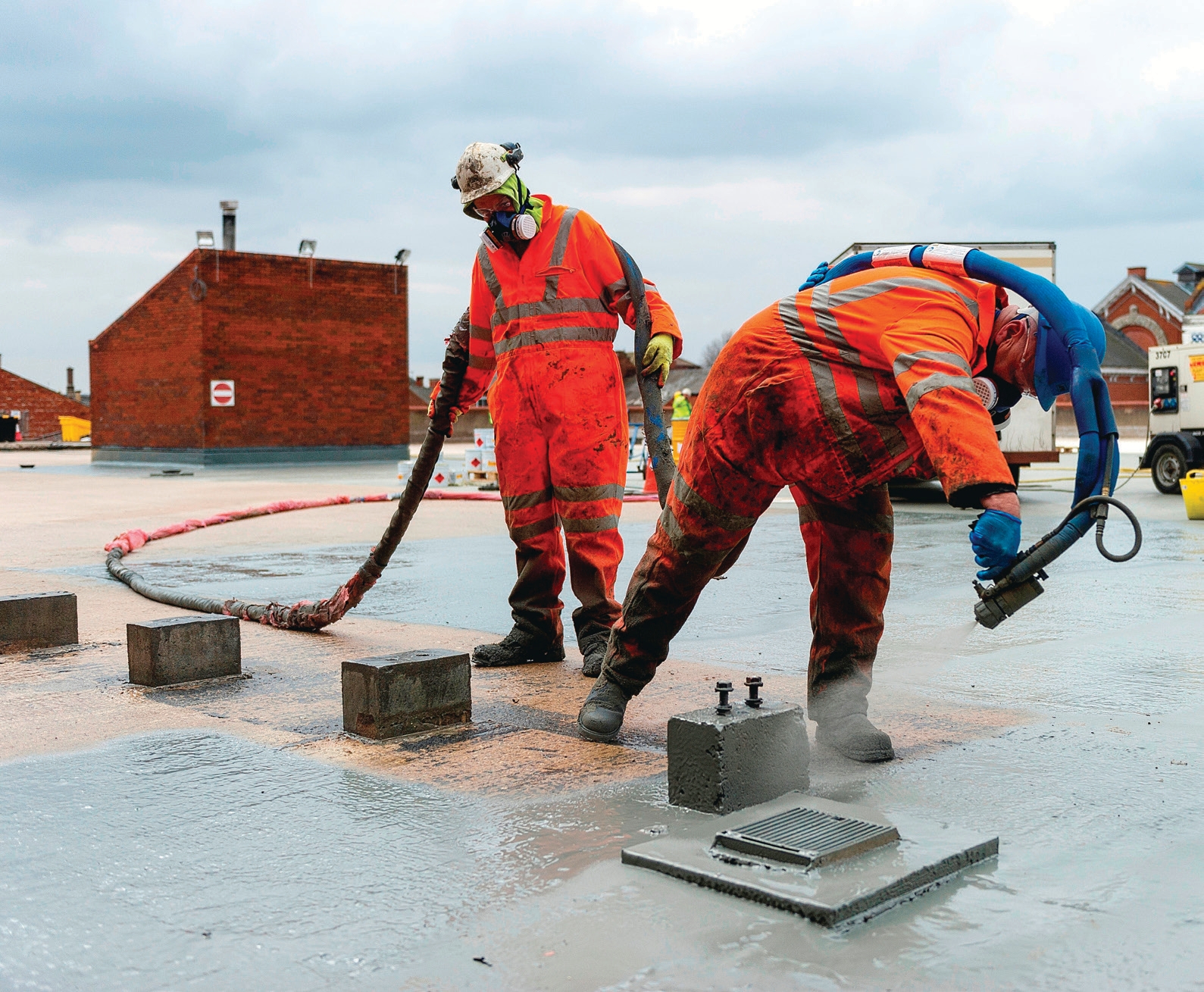
Bhatia: ‘Bridge deck waterproofing is a perfect example. Structures like Atal Setu and the Mumbai Coastal Road endure vehicle vibrations at 100 km/h. Using our spray-applied polyurea membrane Sikalastic® M 800, we delivered solutions that bond with hot bitumen at 160°C while resisting dynamic crack movement.
It’s proof that waterproofing is not just protection — it’s engineering resilience’.
 Sustainability & Standards
Q How do your solutions align with green building benchmarks?
Abbas: ‘We’re already ahead of EU regulations with PurForm® Technology, which ensures safer chemistry and lower monomeric content. In India, this aligns seamlessly with GRIHA, LEED, and IGBC norms, and supports the broader net-zero agenda. Our sealants are not just about performance, but about reducing hazards and environmental footprints’.
Bhatia: Many of our technologies are Singapore Green Labelled and also offer certified with EPD. EPD provides information to buyers about a product’s impact on the environment, such as global warming potential, smog creation, ozone depletion and water pollution. An EPD is a summary of the lifecycle assessment (LCA) for a product from material extraction to production, shipping, consumption and disposal.
The Human Factor
Q In a price-sensitive market, how do you balance affordability and technical performance?
Abbas: ‘Price is always a factor, but longevity, trust, and after-sales service build real value. Local production, strong R&D, and sustainable sourcing let us deliver justifiable premiums without compromising access’.
Q And what advice would you give to architects and developers?
Abbas: ‘Treat product selection as performance-based, not feature-based. Environmental and lifecycle demands vary structure to structure. And remember — application is as critical as specification. Only certified specialist applicators can unlock the true potential of high-performance sealants. Joints are everywhere; managing them well is the foundation of durability’.