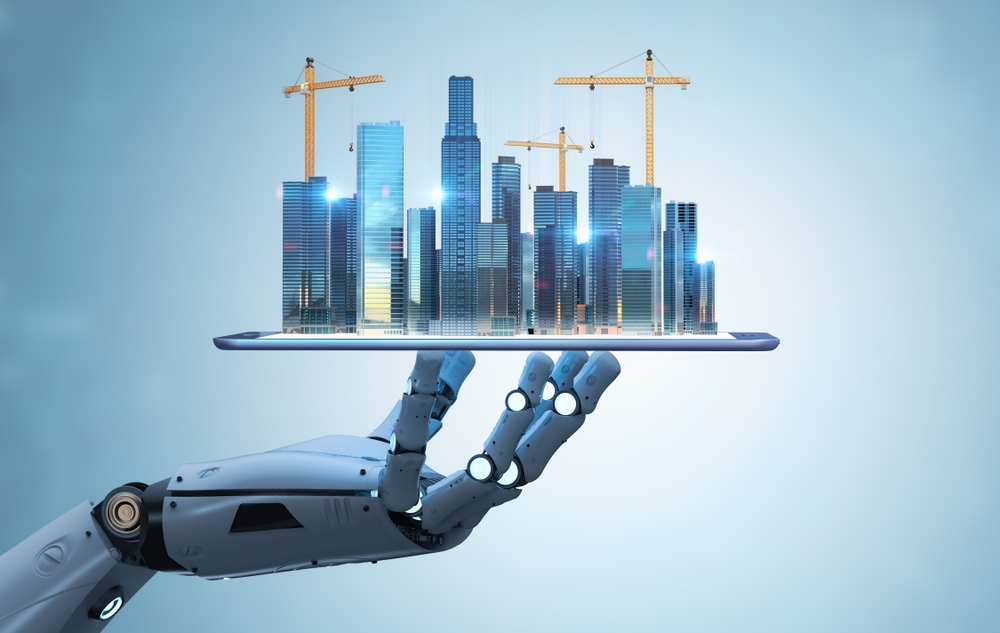
India’s construction industry is witnessing a growing shift towards artificial intelligence-driven project management systems as developers, contractors and infrastructure firms search for ways to improve efficiency, reduce delays and lower environmental costs in rapidly expanding urban regions. Technology-led construction platforms are increasingly being explored as cities struggle with rising infrastructure demand, labour shortages and mounting climate resilience pressures.
The emergence of AI-based construction operating systems reflects broader changes across India’s urban development landscape. Construction projects in metropolitan regions frequently face delays linked to fragmented supply chains, poor coordination, cost overruns and inconsistent labour availability. Industry analysts say digital project management systems powered by predictive analytics and real-time monitoring are being positioned as tools to streamline operations and improve accountability across large infrastructure developments.
The adoption of construction technology has become particularly significant as India accelerates investments in affordable housing, metro rail systems, industrial corridors and logistics infrastructure. Urban planners argue that improving project execution is no longer only an economic priority but also a sustainability concern. Delayed projects often increase material waste, energy consumption and emissions linked to prolonged construction activity in densely populated cities.
Experts tracking the construction technology sector note that AI-enabled systems are increasingly being used to monitor procurement cycles, workforce deployment, material inventories and equipment performance. Some digital platforms are also integrating drone mapping, automated reporting and risk forecasting to reduce manual inefficiencies and improve decision-making across construction sites.
The growing interest in construction technology is also reshaping employment patterns within the sector. Analysts suggest demand is rising for digitally skilled workers capable of managing data systems, automation tools and integrated project software. At the same time, experts caution that smaller contractors and informal workers could face challenges adapting to rapid digitisation without stronger training and inclusion programmes.
Environmental specialists believe AI-led construction management could support more resource-efficient urban development if implemented responsibly. Better project coordination may reduce excess material usage, minimise construction waste and improve energy management across infrastructure projects. Sustainable infrastructure experts also point to the potential for digital systems to enhance lifecycle planning for buildings and public assets, helping cities improve long-term resilience against climate-related stresses.However, concerns remain around uneven technology adoption and data transparency. Industry observers note that many urban infrastructure projects continue to rely on fragmented manual processes, particularly in smaller cities and local government-led developments. Questions around cybersecurity, data governance and integration with existing regulatory systems are also becoming increasingly relevant as construction operations digitise.
The expansion of construction technology coincides with India’s broader push towards smart urban infrastructure and digitally enabled governance systems. Infrastructure economists suggest AI-driven project management could eventually influence how cities plan transport networks, water systems and housing developments, particularly as governments seek faster and more transparent infrastructure delivery mechanisms.
For citizens, the implications extend beyond technological innovation. More efficient construction systems could reduce disruptions from stalled projects, improve public infrastructure delivery and lower long-term maintenance costs. Yet experts stress that digital transformation in the construction sector must remain aligned with labour protections, environmental safeguards and inclusive urban planning principles.
As India’s cities continue to grow, the role of construction technology is expected to expand from a niche efficiency tool into a central component of future-ready urban development strategies.
Also Read : India steel sector sees Steel Exchange capital push
Bengaluru Construction Sector Embraces Artificial Intelligence Tools