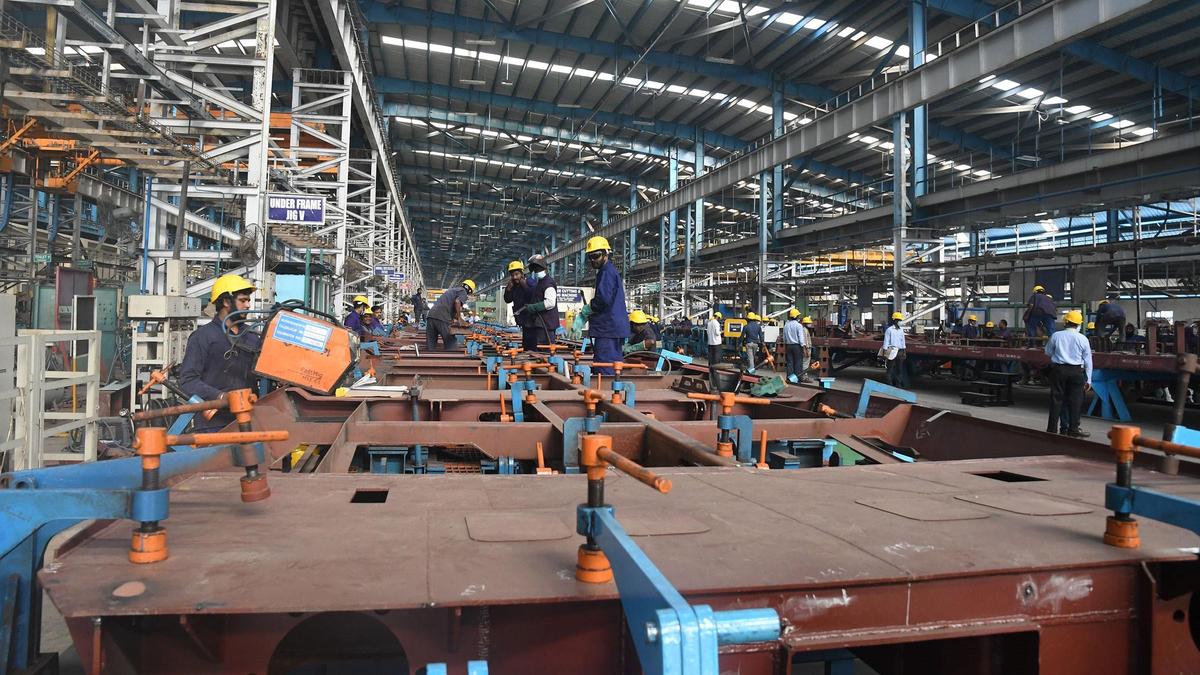
Chennai is emerging as a major focal point in India’s expanding manufacturing landscape as industrial suppliers, infrastructure developers and logistics firms increasingly turn to southern India to support the country’s evolving production economy. The growing momentum around industrial sourcing and manufacturing networks in Tamil Nadu reflects broader shifts in national supply chains, export strategies and urban infrastructure planning.
The expansion comes amid rising investments in electronics, automotive production, industrial machinery and renewable energy components across southern India. Industry experts say Tamil Nadu’s established manufacturing ecosystem, port connectivity and skilled workforce have helped position the region as one of the country’s most active industrial corridors. The state’s industrial growth is also influencing surrounding urban centres through increased demand for logistics parks, worker housing, transport infrastructure and warehousing facilities.
Analysts tracking the manufacturing sector note that industrial sourcing platforms and trade-focused events are becoming increasingly important as companies attempt to diversify suppliers and strengthen domestic production capabilities. Global supply chain disruptions in recent years have pushed manufacturers to reduce dependency on concentrated sourcing networks, creating opportunities for regional industrial clusters across India.
The manufacturing growth underway in Chennai and nearby industrial zones carries wider implications for urban development. Rapid industrial expansion often generates parallel demand for roads, freight systems, energy infrastructure and water management networks. Urban planners argue that unless these investments are integrated with sustainable planning frameworks, industrial growth could intensify congestion, pollution and pressure on already strained civic services.
The manufacturing sector is also becoming closely linked with India’s clean energy and mobility transition. Tamil Nadu has emerged as a significant production base for electric vehicle components, renewable energy equipment and industrial technologies tied to lower-carbon infrastructure systems. Experts suggest future industrial competitiveness may increasingly depend on energy-efficient manufacturing processes, circular resource management and climate-resilient industrial planning.
At the same time, infrastructure specialists caution that industrial expansion must remain inclusive and environmentally balanced. Fast-growing manufacturing regions frequently face challenges related to informal housing growth, worker mobility and ecological degradation if urban infrastructure fails to keep pace with industrial demand. Sustainability experts are therefore calling for stronger integration between industrial policy and city-level planning strategies.
The logistics ecosystem surrounding Chennai is also undergoing transformation. Warehousing demand, freight movement and multimodal transport connectivity are expected to grow substantially as manufacturing output rises. Economists believe this could strengthen southern India’s role in export-oriented production while reshaping freight corridors linking ports, industrial parks and inland consumption centres.
Employment generation remains another key driver behind the region’s industrial growth. Manufacturing investments are creating opportunities across engineering, logistics, technology services and supply chain management. However, labour experts note that workforce development and skill training will be essential to ensure equitable access to emerging industrial jobs, particularly for younger workers entering urban economies.
For Indian cities, the expansion of manufacturing hubs presents both opportunity and responsibility. Industrial growth can support economic resilience and infrastructure investment, but it also raises urgent questions around environmental sustainability, urban liveability and resource efficiency.
As Chennai strengthens its position within India’s manufacturing economy, policymakers and urban authorities are expected to face increasing pressure to align industrial expansion with cleaner infrastructure systems, resilient urban planning and long-term social inclusion goals.
Also Read : UltraTech leadership exit amid cartel probe scrutiny
Chennai Manufacturing Growth Reshapes Southern Industrial Economy