HomeIndustriesIndia Coal Gasification Shapes Industrial Regions

India Coal Gasification Shapes Industrial Regions

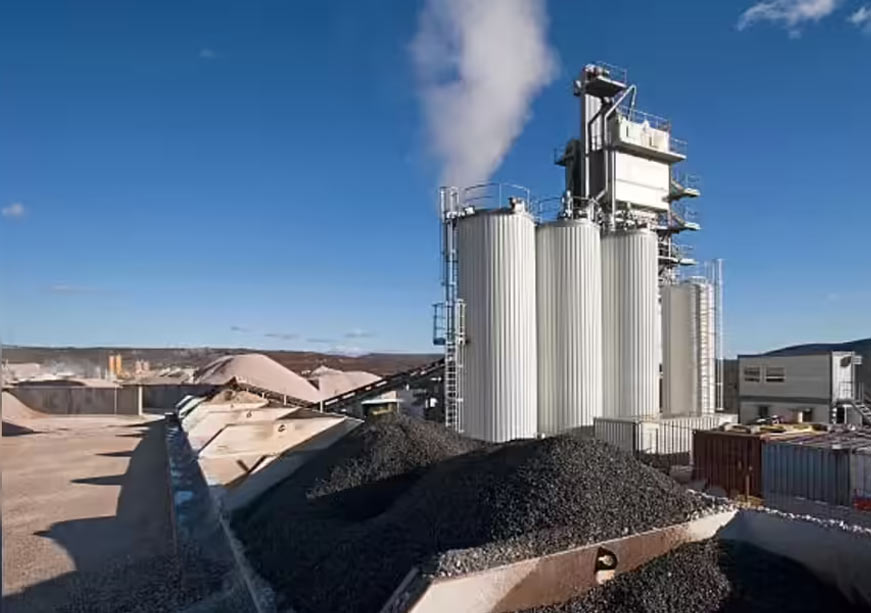
India is accelerating plans to establish integrated industrial clusters centred on coal gasification,signalling a shift in how mineral rich regions could contribute to manufacturing,chemicals and energy production.

The emerging strategy seeks to move beyond conventional coal extraction by encouraging value added industries closer to mining areas,with implications for regional employment,infrastructure planning and the country’s long term industrial transformation.Coal gasification converts coal into synthesis gas, or syngas, which can be used to manufacture chemicals, fertilisers,methanol,hydrogen and other industrial products.Policymakers view the technology as a means of reducing dependence on imported feedstocks while expanding domestic production capacity across multiple sectors.Rather than transporting raw coal over long distances, the proposed model encourages processing near mining zones,creating integrated industrial ecosystems that combine resource extraction with manufacturing.The concept of Coal Gasification Valleys reflects a broader effort to reshape India’s industrial geography.By clustering energy, chemical and manufacturing facilities around coal producing regions, authorities aim to improve logistics efficiency, attract private investment and generate economic activity in areas that have traditionally relied on mining alone.Industry experts suggest such clusters could stimulate demand for transport infrastructure, water management systems, housing and urban services,potentially supporting the growth of new industrial townships.For cities and regional economies,the approach presents both opportunities and challenges.Investment in downstream industries may create skilled employment, diversify local economies and strengthen domestic supply chains for sectors ranging from fertilisers to advanced manufacturing.However,urban planners emphasise that industrial expansion must be accompanied by comprehensive environmental safeguards,efficient land-use planning and modern public infrastructure to avoid repeating the environmental pressures associated with older mining regions.

The development also intersects with India’s broader energy transition.While coal remains a significant component of the country’s energy mix, policymakers are increasingly exploring technologies that extract greater economic value from domestic resources while supporting cleaner industrial processes.Experts note that Coal Gasification Valleys could complement emerging carbon capture technologies and low carbon hydrogen production if future projects integrate emissions reduction measures alongside industrial development.Without such investments,however,the environmental benefits of gasification would remain limited compared with renewable alternatives.Infrastructure specialists believe successful implementation will depend on coordinated planning across transport, water, power and logistics networks. Integrated industrial zones require reliable rail connectivity, transmission infrastructure and urban amenities capable of supporting both manufacturing operations and growing populations. Long-term planning will therefore be essential to ensure industrial expansion contributes to resilient regional development rather than fragmented growth.

Economists also highlight the importance of commercial viability.Coal gasification projects require significant capital investment,advanced technology and stable policy support to compete with imported natural gas and petrochemical feedstocks.Financial incentives,predictable regulations and robust environmental compliance will play a decisive role in determining whether these industrial clusters achieve scale.As India advances its manufacturing ambitions,the success of coal based industrial ecosystems will depend on balancing economic competitiveness with environmental responsibility.If integrated with cleaner technologies,circular resource management and resilient urban planning,the new industrial model could strengthen regional economies while supporting a more diversified and sustainable manufacturing base.

Also Read : Odisha Coal Gasification Capacity Gains National Attention
India Coal Gasification Shapes Industrial Regions
RELATED ARTICLES

LEAVE A REPLY

Please enter your comment!
Please enter your name here

- Advertisment -spot_img

Most Popular

Recent Comments

Sagar Cements AGM Reviews Infrastructure Outlook

Sagar Cements AGM Reviews Infrastructure Outlook

Sagar Cements has concluded its 45th Annual General Meeting,with shareholders approving the company’s financial statements and other statutory resolutions for the previous financial year. While...
JK Cement Dividend Marks Shareholder Payout

JK Cement Dividend Marks Shareholder Payout

JK Cement has confirmed the record date for its recently approved final dividend,providing clarity for shareholders while reflecting the company’s continued confidence in its...
India Chemical MSMEs Face Global Trade Pressures

India Chemical MSMEs Face Global Trade Pressures

India’s small and medium sized chemical manufacturers are calling for a stronger policy framework to help them navigate rising global trade uncertainties,arguing that improved...
India Electrical Steel Probe Tests Clean Energy

India Electrical Steel Probe Tests Clean Energy

India has launched a trade investigation into imports of specialised electrical steel and amorphous metal products from several major exporting nations,marking a significant step...
India Recycled Metal Supply Risks Urban Growth

India Recycled Metal Supply Risks Urban Growth

India’s manufacturing sector is assessing the implications of Europe’s tightening controls on metal scrap exports,with industry stakeholders warning that new environmental compliance requirements could...