HomeBricks & MortarCementDalmia Bharat shifts cement movement onto rail

Dalmia Bharat shifts cement movement onto rail

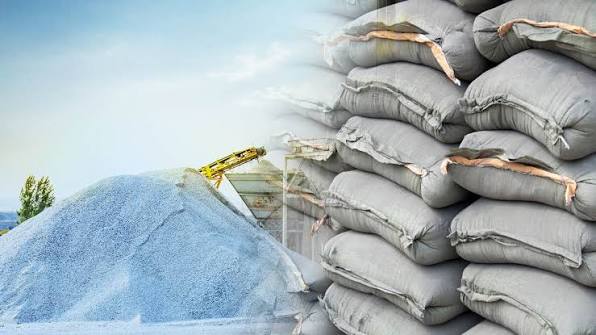
A new rail based freight arrangement at Chunar is set to change how cement and key raw materials move through eastern Uttar Pradesh, with initial dispatches planned for August. The shift could reduce dependence on road haulage for bulk construction material while improving supply links to markets including Ayodhya, Ghazipur, Deoria and Chilbila.

Under the agreement with Indian Railways, the Chunar facility is expected to dispatch about 15,000 tonnes of cement in six to seven rakes during August. From September, the planned movement rises to roughly 26,000 tonnes a month across around 10 rakes. The arrangement also covers inbound clinker and gypsum, two important inputs in cement production.The development is significant because cement logistics can materially influence both construction costs and the environmental footprint of urban growth. Moving large volumes by rail can reduce the number of heavy trucks required on highways, although the actual emissions benefit will depend on haul distances, locomotive energy sources, terminal efficiency and how much road transport is replaced.

The Chunar rail freight link also comes as the facility enters a new operating phase. Dalmia Cement acquired the Chunar, Churk, Sadwa and Rewa assets from Jaiprakash Associates through a business transfer agreement valued at ₹2,850 crore. The wider transaction covered 5.2 million tonnes per annum of cement capacity and 3.3 million tonnes of clinker capacity. Commercial production at the 2.5 million tonnes-per-annum Chunar grinding unit began in June, establishing the plant as part of a broader supply network serving Uttar Pradesh, Bihar and neighbouring markets.For cities and construction markets, the logistics change matters beyond the cement sector.Reliable bulk freight can support steadier material availability for housing, roads and public infrastructure, while reducing pressure on road corridors already carrying passenger and commercial traffic.

North Central Railway has indicated that the arrangement should strengthen freight movement and improve logistics reliability, with the development of dedicated freight infrastructure supporting greater rail utilisation.The longer-term test will be whether Chunar rail freight becomes a sustained alternative to road-based distribution rather than simply an additional transport channel. For the region, the strongest outcome would be a logistics system that combines dependable supply, lower congestion exposure and measurable reductions in transport emissions without shifting costs or environmental burdens onto communities along the route.

Also Read : Star Cement Slows Expansion Amid Regional Disruption
Dalmia Bharat shifts cement movement onto rail
RELATED ARTICLES

LEAVE A REPLY

Please enter your comment!
Please enter your name here

- Advertisment -spot_img

Most Popular

Recent Comments

Brookfield India REIT expands Mumbai office exposure

Brookfield India REIT expands Mumbai office exposure

A ₹1,700-crore transaction for a 264,000-square-foot office property in Bandra Kurla Complex is set to deepen institutional ownership of one of Mumbai’s most valuable...
India’s fertiliser demand softens amid uneven monsoon

India’s fertiliser demand softens amid uneven monsoon

India’s fertiliser market is showing signs of a slower kharif cycle, with sales weakening as delayed sowing and uneven monsoon rainfall reduce the immediate...
Deccan Cements faces sharper cost pressure

Deccan Cements faces sharper cost pressure

Deccan Cements has slipped into the red in the first quarter of FY27 despite a sharp increase in sales, as power, fuel and freight...
JSW Steel investment tests India’s low carbon path

JSW Steel investment tests India’s low carbon path

JSW Steel has updated investors on its expansion pipeline, operating priorities and decarbonisation programme as India’s steel demand continues to grow. The company’s roadmap...
India’s aluminium producers navigate a volatile supply chain

India’s aluminium producers navigate a volatile supply chain

Indian aluminium producers are gaining from a renewed squeeze in global metal supplies, as production problems in Brazil, disrupted Middle East trade and historically...