HomeLatestCoal India and AMNS assess lower carbon steelmaking

Coal India and AMNS assess lower carbon steelmaking

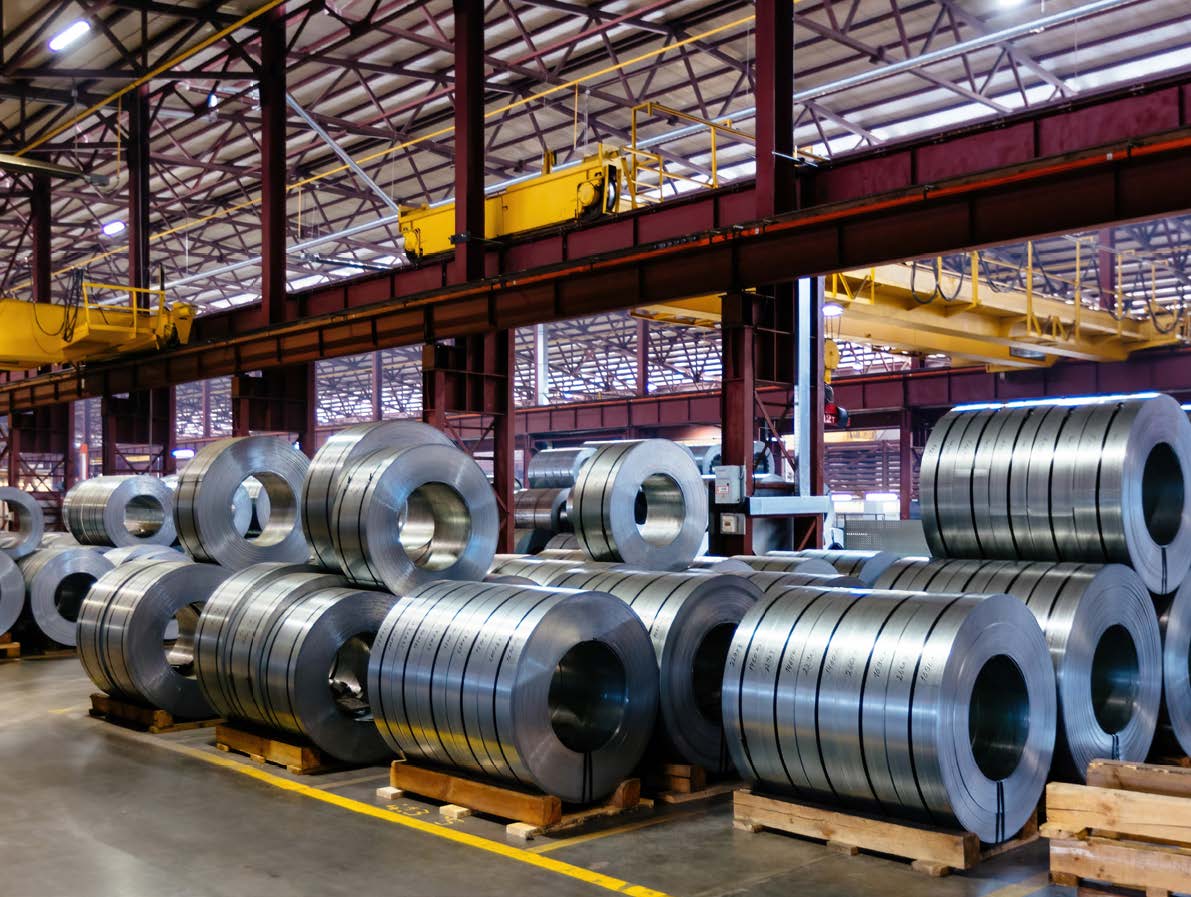
Coal India and ArcelorMittal Nippon Steel India have signed a non-binding agreement to examine the use of synthetic gas from a proposed coal-gasification facility at AMNS India’s Paradip pellet plant in Odisha. The proposal, which includes carbon capture, utilisation and storage, could connect domestic coal resources with industrial fuel demand while testing whether gasification can reduce some imported energy requirements in steelmaking.

The proposed facility would convert coal into syngas, a mixture of gases that can be used as an industrial fuel or chemical feedstock. The companies will first examine technical and commercial options and prepare a Preliminary Feasibility Report. No investment commitment or final project configuration has been disclosed, making the agreement an early-stage assessment rather than a confirmed construction project.The timing reflects a wider policy push. In May, the Union Cabinet approved a ₹37,500-crore scheme to accelerate surface coal and lignite gasification, alongside a national target of gasifying 100 million tonnes of coal by 2030. The programme is designed partly to reduce dependence on imported LNG, ammonia, methanol and other products.

For the steel industry, Paradip coal gasification has a more specific strategic significance. Steelmakers are under increasing pressure to lower emissions while maintaining competitive production costs. Syngas can substitute for some conventional fossil fuels or serve as an input for industrial processes. However, converting coal into gas does not make the resulting energy inherently low-carbon. The environmental case depends heavily on plant efficiency, methane and carbon emissions, and the effectiveness and permanence of the proposed CCUS system.That distinction matters for Odisha, where industrial expansion is closely tied to ports, mineral supply chains and coastal infrastructure. A large gasification project could create additional industrial demand and logistics activity, but it would also bring questions around water consumption, local air quality, carbon storage, land use and community safeguards. Those impacts need to be assessed before infrastructure commitments become irreversible.

The project also fits into Coal India’s broader attempt to diversify beyond conventional mining. The company has been expanding its research and development focus around cleaner coal technologies, while the government is using financial incentives to encourage gasification projects.For Paradip coal gasification, the immediate milestone is therefore not construction but feasibility. The forthcoming assessment will need to establish whether the technology can deliver reliable industrial fuel at a competitive cost while producing credible, measurable emissions reductions. For citizens and industry alike, that evidence will determine whether coal-based gasification represents a practical transition pathway or simply extends dependence on a carbon-intensive resource.

Also Read : India steel exports expand amid infrastructure demand
Coal India and AMNS assess lower carbon steelmaking
RELATED ARTICLES

LEAVE A REPLY

Please enter your comment!
Please enter your name here

- Advertisment -spot_img

Most Popular

Recent Comments

Maharashtra Steel Expansion Brings New Jobs To Chandrapur

Maharashtra Steel Expansion Brings New Jobs To Chandrapur

Chandrapur is set to become the proposed site of a 9-million-tonne-per-year integrated steel complex after Shyam Metalics and Energy signed a non-binding agreement with...

Sobha Expands Residential Sales Across Bengaluru And NCR

Sobha Expands Residential Sales Across Bengaluru And NCR

Bengaluru-based Sobha Limited recorded ₹5,862 crore in housing sales during the first half of FY27, up 47.2% from a year earlier, as new launches...

Mumbai Housing Boom Tests Urban Affordability

Mumbai Housing Boom Tests Urban Affordability

Mumbai’s residential market is becoming an increasingly important measure of how India’s housing economy is changing. The Mumbai Metropolitan Region accounted for 34% of...

India’s Tier 2 Cities Push Plotted Developments

India’s Tier 2 Cities Push Plotted Developments

India’s residential land market is moving beyond its traditional metropolitan centres, with Tier-2 cities becoming a major source of organised plotted housing supply. More...

Kolkata Real Estate Gains Focus In Bengal Revival

Kolkata Real Estate Gains Focus In Bengal Revival

Kolkata: West Bengal is looking to use real estate and urban redevelopment as a wider economic lever, with the state seeking changes to legacy...