HomeLatestMumbai Steel Giants Facing Carbon Trade Shift

Mumbai Steel Giants Facing Carbon Trade Shift

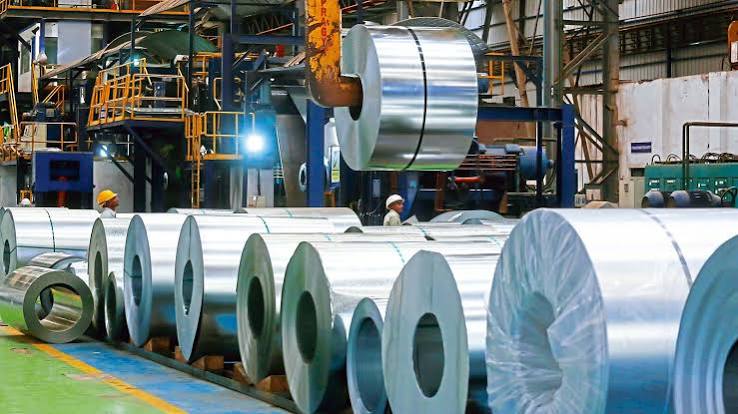
MUMBAI — A major structural shift is gathering pace across India’s primary manufacturing corridors as heavy industry pivots to meet tightening global environmental mandates and sustained domestic infrastructure demand.

The nation’s largest metals producers are recalibrating their operational strategies. Strong domestic urban expansion—driven by mass transit builds, industrial corridor development, and residential housing—continues to provide crucial revenue stability. However, the broader economic outlook is increasingly tied to how swiftly heavy manufacturing can adapt to international climate regulations. Cross-border market dynamics are undergoing a fundamental transformation. The impending enforcement of global carbon border adjustments and stricter regional import quotas is forcing high-emission sectors to clean up production routes. Industry analysts observe that while compliance with international carbon tariffs presents short-term operational hurdles for exporters, it will ultimately enforce price discipline and protect decarbonised supply chains.

To protect export market access, primary manufacturers are accelerating cleaner production pathways. Strategic investments are shifting away from coal-intensive blast furnace facilities toward electric arc furnaces and scrap-based recycling loops. This technology transition is designed to drastically lower embedded carbon footprints while creating a circular industrial economy that reuses raw materials locally. Financial health across the sector remains grounded, with leverage ratios stabilizing alongside robust balance sheets. Industry observers note that stable operational cash flows are providing the necessary capital buffer to absorb transition expenses, even as energy costs and global market price swings fluctuate.

For growing urban centres, the implications extend far beyond corporate balance sheets. Decarbonising basic materials like structural steel is critical for lowering the scope 3 emissions of city-building projects, bridge networks, and civic housing complexes. As sustainability criteria become mandatory in public procurement, clean manufacturing is evolving from a regulatory requirement into a core prerequisite for sustainable urban expansion. Going forward, the trajectory of industrial growth will depend heavily on the pace of clean energy integration and local scrap processing capacity. Establishing zero-carbon manufacturing processes remains essential to ensuring that urban infrastructure expansion aligns with long-term climate targets.

Read More: Gujarat Steel Expansion Gets Public Market Test
Mumbai Steel Giants Facing Carbon Trade Shift
RELATED ARTICLES

LEAVE A REPLY

Please enter your comment!
Please enter your name here

- Advertisment -spot_img

Most Popular

Recent Comments

Pune Homebuyers Shift Towards Emerging Housing Corridors

Pune Homebuyers Shift Towards Emerging Housing Corridors

Rising housing costs are pushing more Pune buyers to examine neighbourhoods beyond the city’s established residential belts. Punawale, Mahalunge, Hinjewadi-Maan, Wagholi and parts of...

Coal India Target Raised As Thermal Demand Recovers

Coal India Target Raised As Thermal Demand Recovers

Coal India’s shares rose sharply on Tuesday after Morgan Stanley upgraded the stock and lifted its target price, reflecting expectations of stronger thermal power...

Sambhv Steel Tubes Raipur Plant Visit Draws Investor Focus

Sambhv Steel Tubes Raipur Plant Visit Draws Investor Focus

Sambhv Steel Tubes is set to bring 14 institutional investors and analysts to its manufacturing facilities in Raipur on September 24, putting production efficiency,...
India Coal Stocks Tighten as Power Demand Climbs

India Coal Stocks Tighten as Power Demand Climbs

India’s electricity system is facing renewed pressure as coal inventories at thermal power plants fall sharply while demand remains elevated. Central Electricity Authority data...
Cement Production Price Hikes Impact Urban Infrastructure Growth

Cement Production Price Hikes Impact Urban Infrastructure Growth

MUMBAI — Rising global energy prices, fueled by ongoing Middle East conflicts, are driving a surge in fuel costs for India’s primary cement manufacturers....