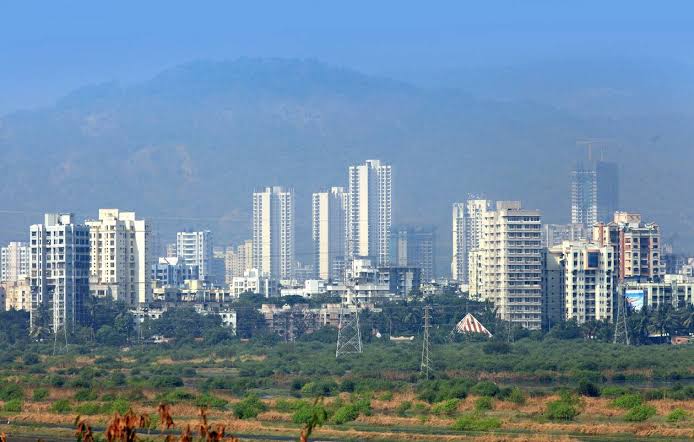
MUMBAI: Brookfield India Real Estate Trust is increasing its exposure to Powai’s established office market through a ₹75.2 crore acquisition by its special-purpose vehicle, Kairos Properties. The transaction covers office units across the fifth and sixth floors of the Delphi building at Downtown Powai. It will take Kairos’ ownership in the building from 80% to 86% on a gross leased area basis, subject to completion expected in Q3 FY27.
The agreement, signed on 22 September, covers units 501 to 503 and 601 to 604 in Wing C. The seller is an unrelated third party. The transaction has been approved by the relevant boards, while JLL India acted as transaction adviser, according to regulatory disclosures reported by The Economic Times. The Powai office acquisition is significant because it represents consolidation within an existing commercial district rather than entry into a new Mumbai location. Downtown Powai already forms part of a 250-acre integrated township combining offices, housing, retail and social infrastructure. Brookfield Properties lists around 5.4 million sq ft of leasable area across its Downtown Powai portfolio, including current and future development potential. That concentration also reflects the changing nature of Mumbai’s office market. Established business districts can offer companies access to existing transport links, residential areas and supporting services. For employees, this can reduce the need for long cross-city journeys when workplaces, homes and daily amenities are located within connected urban districts.
The Powai office acquisition also comes as larger commercial development plans are taking shape in the same micro-market. Brookfield has previously announced plans for a 2 million sq ft global capability centre in Powai, with an investment of more than ₹9,000 crore and a targeted completion by 2029. The project is planned across six acres and is tied to a long-term lease with a multinational bank. The environmental footprint of such growth will increasingly depend on how commercial districts manage energy, mobility, water and waste. Downtown Powai currently lists rooftop solar, recycled water for irrigation, EV services, pedestrian-friendly walkways and green power for common areas among its infrastructure features. These measures do not remove the wider impacts of large-scale development, but they show how commercial campuses are beginning to incorporate resource efficiency into operations. For Mumbai, the broader question is how much future office expansion can be accommodated within well-connected districts without adding pressure to roads, public transport and surrounding neighbourhoods. Greater concentration can support efficient infrastructure use, but it also requires adequate public services and mobility planning.
The immediate transaction is relatively small compared with the wider investment pipeline. Its significance lies in what it says about ownership patterns in established office markets: institutional investors are continuing to deepen their presence in locations where commercial, residential and supporting urban infrastructure already intersect.
Read More: India Urban Housing Shifts Towards More Inclusive Delivery
Mumbai Commercial Real Estate Sees Powai Consolidation