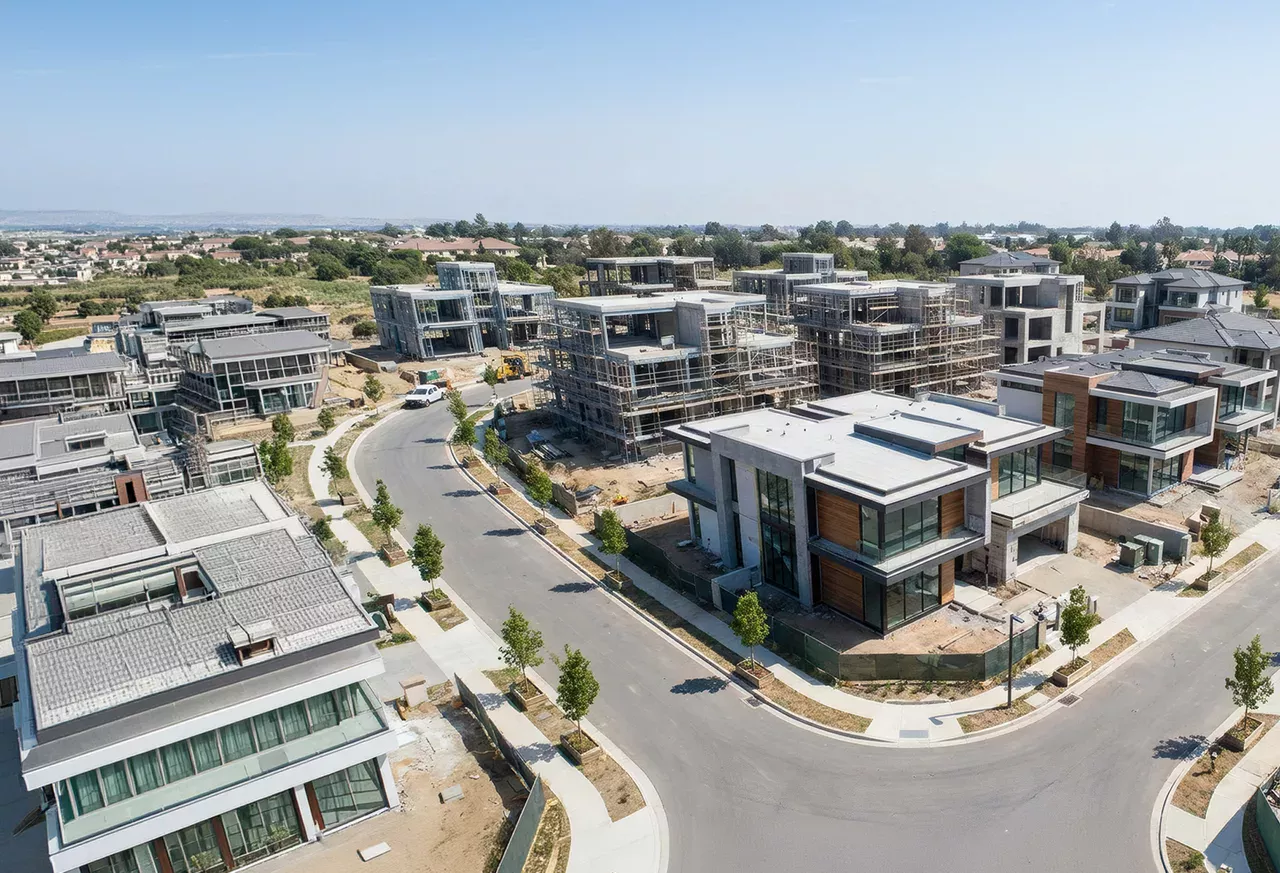
India’s urban housing programme is increasingly moving beyond the simple delivery of homes, with policy now covering self-construction, affordable projects, rental housing and home-loan support. As of 9 August 2026, more than 1 crore homes had been completed and delivered under PMAY-U and PMAY-U 2.0, while 1.25 crore had been sanctioned. The scale points to a broader shift in how affordable housing is being planned across Indian cities.
The newer PMAY-U 2.0 framework is designed to address different housing needs rather than rely on one delivery model. Of the 18.38 lakh homes sanctioned under the programme by August, 14.40 lakh were under Beneficiary-Led Construction, which supports eligible households building on land they already own. Another 2.48 lakh were sanctioned under Affordable Housing in Partnership, while 1.36 lakh were covered through the Interest Subsidy Scheme. That distinction matters as Indian cities become more economically diverse. Not every low-income household needs the same form of housing assistance. Some families need support to build, while others require access to completed affordable units or financing. For migrants and workers with more mobile incomes, rental housing can be more relevant than ownership. The Affordable Rental Housing component remains relatively small in comparison, with 13,046 dwelling units sanctioned by August 2026. Its intended beneficiaries include migrants, workers, homeless households and other economically vulnerable urban residents. The model also links rental housing with basic services such as water, sanitation, roads and health facilities.
The numbers also show a significant gender dimension. Around 1 crore of the 1.25 crore houses sanctioned under PMAY-U and PMAY-U 2.0 have been allotted in the name of women, either as the female head of the household or through joint ownership. This changes housing from being only a shelter intervention into a potential household asset and financial-security measure. However, delivery remains as important as sanctioning. A housing approval does not automatically create an occupied, serviced or climate-resilient home. Urban planners note that affordable housing works best when homes are connected to public transport, water networks, sanitation, schools, healthcare and employment. The environmental question is equally important as construction expands. Future housing programmes will need to consider energy efficiency, heat resilience, water use and low-carbon construction alongside affordability. Poorly located housing can also increase household travel costs and emissions over time.
For India urban housing, the next phase is therefore less about numbers alone and more about the quality and location of delivery. As PMAY-U 2.0 continues towards its 2029 horizon, the ability to connect housing with services, livelihoods and resilient urban infrastructure will determine how effectively new homes translate into better urban lives.
Read More: Yadadri Nayeem Properties Raise Fresh Land Record Questions
India Urban Housing Shifts Towards More Inclusive Delivery