HomeLatestIndia Real Estate Expands Into New Urban Sectors

India Real Estate Expands Into New Urban Sectors

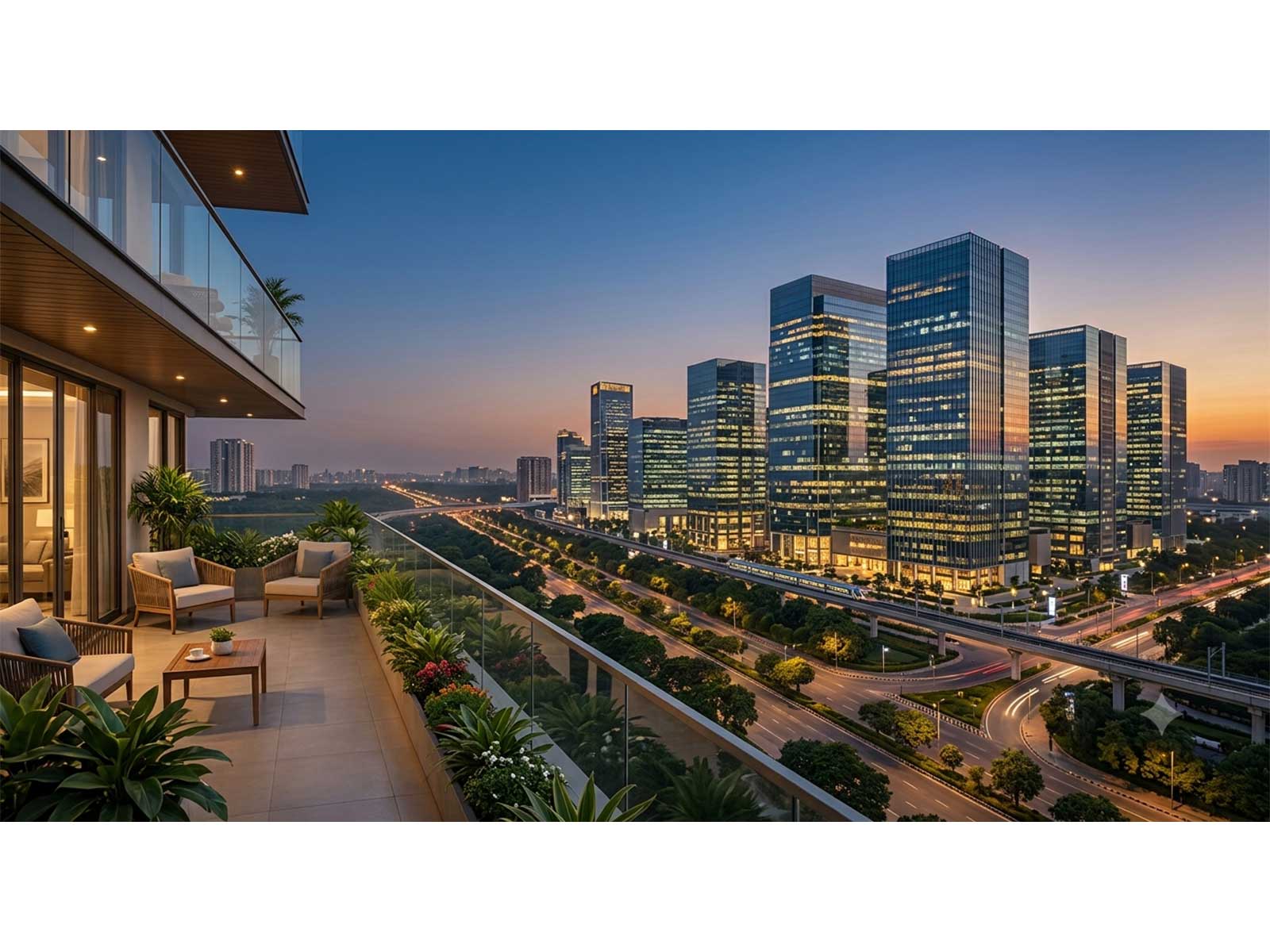
India’s property market is moving into a more complex phase as changing work patterns, migration and digital infrastructure reshape what gets built and where. Discussions at a recent real-estate industry event in New Delhi highlighted stronger demand for adaptable homes, technology-enabled buildings and new asset classes. The shift matters because housing and commercial expansion will increasingly affect energy use, mobility, land demand and the everyday cost of living in India’s cities. 

The home is becoming a more flexible urban space. Remote and hybrid work have increased the need for homes that can accommodate work, family life and leisure without simply adding floor area. Buyers are also placing greater value on managed services, security and shared amenities. That demand is visible in the wider market. CBRE’s 2026 India residential outlook expects housing sales to remain broadly range-bound while overall sales values stay elevated, with higher-end homes taking a larger share of demand. It also expects professionally managed rental formats, including student housing, co-living and senior living, to gain ground. For cities, however, the challenge is ensuring that better-designed housing does not become synonymous only with premium pricing. Housing choice must keep pace with the needs of workers, families and older residents across income groups. 

Migration is another pressure point. Movement of skilled workers towards major employment centres can lift housing demand, but it also increases pressure on transport networks, water systems, power supply and public services. At the same time, CBRE expects tier-II cities to attract more real-estate activity across residential, industrial, mixed-use, retail and hospitality segments, potentially spreading growth beyond established metropolitan markets.  Technology is adding another layer. Artificial intelligence can support building management, energy optimisation, security and design workflows, but its urban value will depend on how well these systems reduce resource use and improve reliability. Smart features that increase electricity consumption or raise housing costs without clear public benefit offer a limited response to India’s climate and affordability challenges.

The real-estate economy is also broadening beyond conventional offices and housing. CBRE expects data centres, flexible workspaces and hospitality to remain important growth areas in 2026, while India’s data-centre capacity had already exceeded 1.5 GW by September 2025. AI-led computing demand is increasing the importance of power availability, making energy and grid capacity central to future development decisions. For India real estate, the next phase is therefore less about adding buildings at speed and more about coordinating growth with infrastructure. The test will be whether new homes, workplaces and digital facilities can deliver economic opportunity while using land, water and energy more efficiently. That will shape whether urban expansion becomes a durable asset for citizens or another source of infrastructure strain.

Also Read : Ghaziabad Premium Housing Enters A New Urban Phase
India Real Estate Expands Into New Urban Sectors
RELATED ARTICLES

LEAVE A REPLY

Please enter your comment!
Please enter your name here

- Advertisment -spot_img

Most Popular

Recent Comments

Palnadu Gains New Cement Capacity As Andhra Expands

Palnadu Gains New Cement Capacity As Andhra Expands

Andhra Cements has begun commercial operations at its expanded grinding facility at Durga Cement Works in Dachepalli, Palnadu district, taking capacity from 1.82 million...

Tamil Nadu Captive Power Plants Face New Grid Role

Tamil Nadu Captive Power Plants Face New Grid Role

Tamil Nadu’s large coal-based captive power plants are being asked to increase electricity generation and place unused capacity into the market as the Centre...

Assam Approves JK Lakshmi Cement Industrial Project

Assam Approves JK Lakshmi Cement Industrial Project

Assam has cleared a proposed Rs. 11,000 crore JK Lakshmi Cement investment, covering one clinker manufacturing facility and four cement grinding units. The decision,...

Arvind SmartSpaces Expands Vertical Housing in Bengaluru

Arvind SmartSpaces Expands Vertical Housing in Bengaluru

Bengaluru’s Sarjapur Road is set to see another high-rise residential development after Arvind SmartSpaces added a 2.5-acre project through a joint development arrangement. The...

Mumbai Zaoba Wadi Redevelopment Brings Homes And Height

Mumbai Zaoba Wadi Redevelopment Brings Homes And Height

A long-delayed redevelopment in Mumbai’s Thakurdwar is moving ahead with Godrej Properties joining Man Infraconstruction Ltd (MICL) and Shreepati Group on a 2.5-acre site....