Home Blog Page 421

CM Dhami Champions Rural Development in Uttarakhand A Vision for Growth and Prosperity

    0
    CM Dhami Champions Rural Development in Uttarakhand A Vision for Growth and Prosperity
    CM Dhami Champions Rural Development in Uttarakhand A Vision for Growth and Prosperity

    CM Dhami Champions Rural Development in Uttarakhand A Vision for Growth and Prosperity

    Uttarakhand’s Chief Minister Pushkar Singh Dhami has reiterated the state government’s strong commitment to rural development, emphasising infrastructure enhancement and improved quality of life during his participation in the Jan Milan programme held at Gautam Farm Nagla Imarti in Haridwar. The event saw CM Dhami engaging directly with locals, listening to their concerns, and sharing his vision for sustainable growth in the region.

    The Chief Minister expressed that rural development would remain the state’s top priority. He proudly highlighted initiatives designed to modernise rural infrastructure, improve education, healthcare, and road connectivity, all aimed at creating a more prosperous environment for the people of Uttarakhand. During the event, CM Dhami also took the opportunity to announce the renaming of the Landhaura-Laksar road to Raja Narendra Singh Road, commemorating the area’s historical significance.

    In his speech, CM Dhami acknowledged the national loss of former Prime Minister Manmohan Singh, observing a minute of silence in his honour. Describing Singh’s passing as an “irreparable loss,” he paid tribute to the former leader’s invaluable contributions to the nation. Dhami then turned his focus back to the government’s rural development agenda, calling it a “Ganga of development” aimed at benefiting rural Uttarakhand, especially in terms of infrastructure and overall socio-economic development.

    A major highlight of his address was the creation of over 30 new policies aimed at boosting self-employment and attracting investment to generate job opportunities. This initiative is particularly beneficial to rural areas, where the pace of economic growth has traditionally lagged behind urban centres. One such significant programme, the Lakhpati Didi Yojana, is empowering women in rural Uttarakhand by providing them with opportunities to become financially independent. To date, 100,000 women have achieved “lakhpati” status, with the state aiming to reach 125,000 women through this programme in the near future. Additionally, CM Dhami shared details of support for the state’s farmers, such as interest-free loans of up to three lakh rupees and an 80% subsidy on modern farming equipment through the Farm Machinery Bank. These initiatives are designed to reduce financial burdens on farmers and improve agricultural productivity across Uttarakhand. The Chief Minister also focused on creating a transparent, fair recruitment process, highlighting the introduction of a strict anti-copying law. With 100 arrests made under this new law, CM Dhami proudly reported that 19,000 recruitments had been conducted transparently and without dispute. These steps are part of his government’s broader effort to ensure fairness and integrity in the state’s recruitment systems.

    In his address, CM Dhami also highlighted the government’s commitment to uplifting marginalised communities, particularly Scheduled Castes (SC) and Scheduled Tribes (ST). He detailed several welfare schemes, including increased funding for these communities, aimed at improving their economic and social welfare. The CM reiterated his belief that Uttarakhand must become a model state in India, where development reaches every individual, from the urban elite to the rural masses. “Our goal is to elevate the standard of living for all residents of Uttarakhand, particularly those in rural areas,” he said. With rural development at the heart of his agenda, CM Dhami is working to ensure that Uttarakhand becomes a beacon of progress and prosperity, where both infrastructure and social welfare programmes lead to tangible improvements in the lives of its citizens.
    Odisha RERA Halts Builder from Booking Flats Over Norms Violation

      0
      Odisha RERA Halts Builder from Booking Flats Over Norms Violation
      Odisha RERA Halts Builder from Booking Flats Over Norms Violation

      Odisha RERA Halts Builder from Booking Flats Over Norms Violation

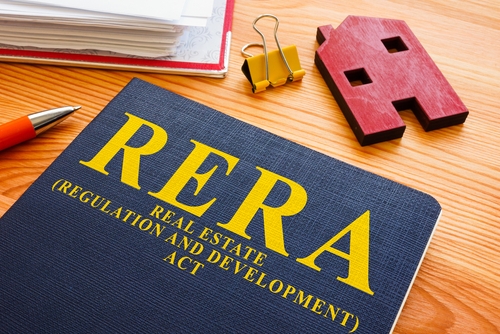
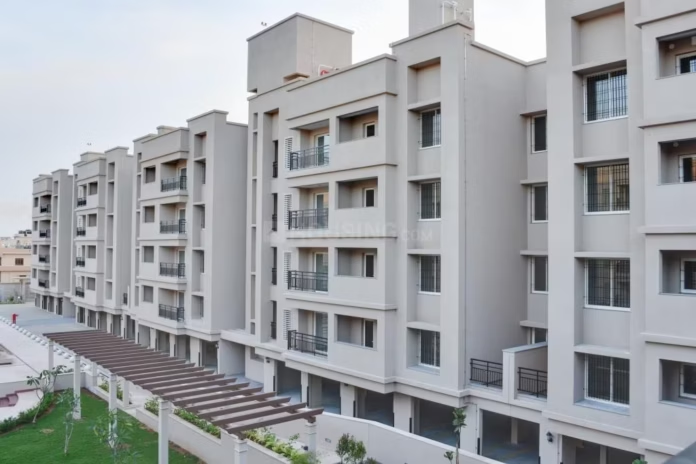
      The Odisha Real Estate Regulatory Authority (ORERA) has intervened in a housing project at Phulnakhara, Bhubaneswar, halting further bookings by the builder for failing to comply with regulatory norms. The project, which spans a large area and includes both residential and commercial units, has come under scrutiny for multiple violations since its inception.

      The builder in question, who had registered the project with ORERA in 2019 and again in 2021, was expected to construct 1,626 residential units and 571 commercial units. However, in 2024, a revised building plan was submitted, increasing the number of residential units to 3,157 and commercial units to 796. This alteration, however, did not follow the proper procedure, and ORERA found that the builder failed to secure consent from two-thirds of the allottees before making the changes. Despite receiving substantial payments from homebuyers, the builder has not delivered a single flat to the buyers, leading to significant concerns. Upon reviewing the builder’s progress reports, ORERA found that, although considerable funds had been collected from buyers, no residential units had been handed over, violating the terms of sale agreements. Moreover, the builder had failed to provide an occupancy certificate for the completed units, an essential document required for possession.

      In its order, ORERA directed the builder to immediately cease all further bookings and halt any collection of money from prospective buyers. The authority also stressed the importance of obtaining the necessary occupancy certificates for the units that had been completed, urging the builder to ensure that the sale deeds for units already sold are registered promptly. The builder was further instructed to transfer the common areas to the residents’ association and to complete the registration of the association as stipulated under the Odisha Apartment (Ownership and Management) Act, 2023.

      The order by ORERA also warned the builder that failure to comply with these directives could lead to the revocation of the builder’s registration certificate. Although ORERA refrained from immediately cancelling the registration, citing concerns over protecting the interests of current homebuyers, it made it clear that strict action would follow if the builder did not meet the given conditions within the specified timeline. The decision to halt further bookings was made following ORERA’s review of the builder’s repeated mismanagement of the project and misleading actions since 2019. According to a senior ORERA official, the builder’s non-compliance with agreed terms has led to significant frustration and anxiety among homebuyers, with many awaiting possession of their homes for years.

      While this intervention has provided some relief to affected buyers, the situation highlights the ongoing struggles within the Odisha real estate sector, where several builders continue to flout regulations. For now, ORERA has issued a clear message to builders that non-compliance with regulatory norms will not be tolerated, and actions will be taken to ensure that consumer interests are safeguarded. As the situation unfolds, it is hoped that this landmark decision by ORERA will act as a precedent, encouraging builders to be more transparent and responsible in their dealings with buyers. Meanwhile, prospective homebuyers remain hopeful that their investments will be protected, and they will soon receive the homes they were promised.

      Ghaziabad Development Authority Sets Deadline for EWS and LIG Flats Allotment

        0
        Ghaziabad Development Authority Sets Deadline for EWS and LIG Flats Allotment
        Ghaziabad Development Authority Sets Deadline for EWS and LIG Flats Allotment

        Ghaziabad Development Authority Sets Deadline for EWS and LIG Flats Allotment

        The Ghaziabad Development Authority (GDA) has given a stern ultimatum to builders. At a meeting held on Friday, the GDA emphasised the urgency of completing the allotments of Economically Weaker Section (EWS) and Lower Income Group (LIG) flats within the next two weeks. If the developers fail to meet this deadline, the GDA has warned that it will withhold completion certificates for the projects.

        These flats, aimed at providing affordable housing to the underprivileged, are a key component of many residential developments in Ghaziabad. According to GDA officials, the lack of progress in allotting these units has been disappointing, with many developers failing to meet their obligations under the housing norms. As part of the regulatory requirements, developers of group housing projects are mandated to construct 10% of the total flats as EWS and another 10% as LIG flats. These units are typically smaller and cheaper, designed to cater to those with lower incomes. For EWS flats, the construction cost is capped at around Rs 6 lakh, while LIG flats are expected to be priced at approximately Rs 9 lakh. The floor area for these flats ranges from 24 to 36 square metres for EWS and 40 to 60 square metres for LIG flats.

        However, despite these clear guidelines, there have been significant delays in the construction and allotment of these flats. Data from the GDA shows that out of the 4,860 EWS flats to be built by integrated township developers, only 1,717 have been developed, and 1,455 have been allotted. Similarly, of the 4,860 LIG flats planned, only 1,255 have been built, with just 1385 allotted. This delay has raised concerns among the public and the authorities, particularly since these flats are crucial for providing affordable housing to those who need it the most. The GDA official stressed that these delays are not acceptable, as the flats are meant to serve the most vulnerable groups in society. “If developers do not complete the allotments within the given time frame, the GDA will refuse to issue completion certificates for the entire project,” said a GDA spokesperson.

        The situation reflects a broader challenge within the real estate sector, where builders often prioritise more profitable segments of the market over affordable housing. The delay in allotting EWS and LIG flats means that many families who depend on these affordable housing options are left without a place to call home. While the GDA’s move to impose a deadline is a step in the right direction, it also raises the question of how effectively housing regulations are being enforced and whether builders are being held accountable for their non-compliance. As the deadline looms, the city’s low-income families are hoping that this push will finally lead to a more efficient process, ensuring they can access the homes they desperately need. The outcome of this deadline will be crucial in shaping the future of affordable housing in Ghaziabad, and it remains to be seen whether developers will rise to the challenge or continue to drag their feet on this critical issue.

        Suntec REIT’s AI & Blockchain Innovations Set New Standards

          0
          Suntec REIT's AI & Blockchain Innovations Set New Standards
          Suntec REIT's AI & Blockchain Innovations Set New Standards

          Suntec REIT’s AI & Blockchain Innovations Set New Standards

          In an era where technology is reshaping industries at a rapid pace, Suntec Real Estate Investment Trust (REIT) stands out as a leader in the real estate investment sector. The firm is leveraging cutting-edge technologies like blockchain and artificial intelligence (AI) to streamline processes, enhance operational transparency, and foster sustainable practices. With these innovations, Suntec REIT is not only positioning itself at the forefront of the market but is also revolutionising the future of property investment, making it more accessible and efficient.

          Blockchain technology is the cornerstone of Suntec REIT’s strategy to transform property transactions. By harnessing the power of this secure and transparent technology, the trust has enhanced transaction clarity, offering investors a level of security that was previously unimaginable. Beyond improving transparency, blockchain opens the door to fractional property ownership, enabling global investors to enter the market with smaller investments, thus democratizing access to real estate. This shift not only benefits large-scale investors but also allows individual investors to diversify their portfolios and participate in high-value real estate assets that were once out of reach. While blockchain has immense potential, its adoption is not without challenges, including regulatory hurdles and the technical complexities of its integration into traditional real estate frameworks. However, as the technology matures, it is expected to unlock a wealth of opportunities for both developers and investors.

          In parallel with blockchain, Suntec REIT is embracing artificial intelligence (AI) to address sustainability in real estate. By deploying AI-driven solutions to manage energy consumption, the trust is driving efficiencies that reduce carbon footprints across its portfolio. This eco-conscious approach aligns with the global sustainability movement and responds to increasing investor demand for green investments. AI applications such as predictive analytics for energy optimisation and smart building systems not only cut down operational costs but also improve the long-term sustainability of real estate projects. With cities around the world grappling with environmental concerns, the need for energy-efficient buildings is more urgent than ever. Suntec REIT’s commitment to sustainability reflects the broader industry shift towards eco-friendly construction and management practices, positioning it as an attractive choice for environmentally-conscious investors.

          Furthermore, Suntec REIT’s technological advancements go beyond transactional innovations. The REIT’s focus on leveraging AI for operational efficiency in property management ensures a high level of service, from maintenance to tenant satisfaction. This proactive approach to facility management results in cost savings and optimised resource allocation, contributing to long-term value creation for investors. As the demand for smart buildings and IoT-powered real estate continues to rise, Suntec REIT is ensuring it remains competitive by investing heavily in these technologies. This ongoing digital transformation not only strengthens the REIT’s market position but also sets a new standard in the industry, showing how technology can improve both financial and operational outcomes.

          Looking ahead, the future of real estate investment is inextricably linked to the adoption of innovative technologies. Suntec REIT’s commitment to blockchain and AI underscores a broader trend where digital solutions are not just improving efficiencies but are reshaping how investments are made and managed. For investors, these technologies promise enhanced returns, security, and sustainability, creating a more resilient and transparent real estate investment landscape. With sustainability becoming an increasingly important metric for success, Suntec REIT is well-positioned to lead the way, not only in terms of profitability but also in shaping the future of responsible, eco-conscious real estate investment.

          As Suntec REIT continues to embrace these technological advancements, it offers a glimpse into the future of real estate. Through blockchain’s transparency, AI’s efficiency, and a strong commitment to sustainability, Suntec is not only adapting to the changing market but is actively shaping it. The next chapter in property investment has begun, and with leaders like Suntec REIT, it promises to be smarter, more inclusive, and sustainable.

          Real estate experts anticipate key reforms in the Union Budget 2025

            0
            Real estate experts anticipate key reforms in the Union Budget 2025
            Real estate experts anticipate key reforms in the Union Budget 2025

            Real estate experts anticipate key reforms in the Union Budget 2025

            As Finance Minister Nirmala Sitharaman prepares to present the Union Budget for 2025–26 on February 1, the real estate sector is keenly awaiting measures that could address the long-standing challenges in affordable housing and liquidity. With an ambitious “Housing for All” vision already in motion, industry leaders and stakeholders are looking for additional reforms to accelerate growth, reduce financial pressure on developers, and ensure that affordable housing projects move forward without delays. The sector, although buoyed by various government schemes, remains in need of additional fiscal and policy support.

            Affordable housing has been a key focus of government policy for several years, but despite efforts, a considerable market gap persists. Developers, especially in tier-2 and tier-3 cities, are feeling the pinch as they struggle to complete projects on time, while homebuyers continue to face affordability challenges. Experts like Aman Gupta, Director at RPS Group, express optimism that the upcoming budget could deliver much-needed reforms. Gupta suggests that tax relief for builders of affordable housing units, along with an increase in the limits under Section 80 EEA for homebuyers, would encourage both developers and buyers. A reduction in the Goods and Services Tax (GST) rates on under-construction properties would provide relief to first-time homebuyers, thereby stimulating demand and contributing to the goal of “Housing for All.” These measures would also provide an impetus to the affordable housing segment, making it financially viable for both builders and buyers.

            Another critical concern for the real estate sector is liquidity. Developers often face cash flow constraints, particularly those who are working with tight construction timelines. Sandeep Mangla, Managing Director of Forteasia Realty Pvt. Ltd., points out that liquidity remains one of the most pressing challenges in the sector, hampering the timely completion of projects. With real estate prices rising, developers are increasingly dependent on institutional funding to support their cash flow needs. Mangla further emphasises that the sector would benefit greatly from specific funds dedicated to distressed assets, ensuring that ongoing projects are completed, which in turn would boost buyer confidence. These funds would act as a safety net, ensuring that developers can overcome financial hurdles and complete projects within the stipulated timeframes, offering assurance to end-users who are waiting for possession.

            Sustainability remains another key aspect that the real estate sector hopes will be addressed in the upcoming budget. Given the growing emphasis on environmental responsibility, it is expected that budgetary provisions for green building certifications, eco-friendly construction practices, and sustainable infrastructure development will take centre stage. The increasing demand for energy-efficient homes and low-carbon footprint buildings calls for a holistic approach to real estate development, where sustainability and profit are not mutually exclusive. By incentivising green building practices through tax relief and concessional financing options, the government can steer the sector towards more environmentally conscious growth, benefitting both the economy and the environment.

            In conclusion, as India’s real estate sector braces for the Union Budget 2025, there is cautious optimism regarding possible reforms aimed at boosting affordable housing, enhancing liquidity, and ensuring the completion of projects. The real estate sector has long been a cornerstone of India’s economic growth, and the right policy interventions can not only help the sector overcome its current challenges but also lay the foundation for a more sustainable and efficient housing market in the years to come. With expectations running high, stakeholders are hoping that the 2025 budget will address these crucial issues and enable the sector to thrive, contributing to the government’s vision of “Housing for All” while ensuring timely project completions and financial stability.

            Sussanne Khan’s ₹2.37 Lakh Rental Deal in Mumbai’s Jogeshwari

            0
            Sussanne Khan's ₹2.37 Lakh Rental Deal in Mumbai’s Jogeshwari
            Sussanne Khan's ₹2.37 Lakh Rental Deal in Mumbai’s Jogeshwari

            Sussanne Khan’s ₹2.37 Lakh Rental Deal in Mumbai’s Jogeshwari

            In a significant move within Mumbai’s luxury real estate market, renowned interior designer and entrepreneur Sussanne Khan has rented a lavish apartment in the bustling Jogeshwari West area. Located within the Agarwal Ind Estate, the 2,329 sq ft apartment comes with a hefty monthly rent of ₹2.37 lakh. This rental deal highlights the growing demand for high-end residential properties in Mumbai’s western suburbs, particularly areas like Jogeshwari, which offer a perfect blend of accessibility and luxury.

            Jogeshwari West, part of Mumbai’s western suburbs, is increasingly emerging as a hotspot for both professionals and businesses, owing to its proximity to key areas like Andheri, Juhu, and Vile Parle. Known for its easy connectivity to major business hubs, such as SEZs, IT parks, and industrial zones, it has become an attractive location for people seeking a balance between work, lifestyle, and convenience. For Sussanne Khan, who has always been associated with taste and style, this location offers the ideal backdrop for both her professional and personal life.

            The Growing Demand for Luxury Rentals

            Sussanne Khan’s rental choice speaks to a larger trend in the Mumbai real estate market, where premium properties are gaining traction despite the challenges posed by the city’s ever-rising property prices. While purchasing luxury homes continues to be a popular option, the rental market has seen an upswing as well, with high-net-worth individuals and celebrities opting for rental properties to enjoy flexibility and prime locations without committing to long-term investments.

            Mumbai, being a commercial capital and a melting pot for industries, continues to attract a steady influx of professionals. With corporate hubs and creative industries clustering in areas like Jogeshwari, the demand for luxury rental homes has been on the rise. Sussanne Khan, who herself has made substantial investments in real estate, has seen firsthand how flexible rental agreements can be a smart move in a city where real estate prices can fluctuate rapidly.

            Sussanne Khan’s Real Estate Investments: A Look at Her Portfolio

            Sussanne Khan, an accomplished designer known for her interior design company, The Charcoal Project, has a strong affinity for real estate. Her recent rental deal in Jogeshwari adds to her diverse portfolio, which includes a luxury penthouse in Pune’s Trump Towers. Purchased for ₹16 crore, the penthouse in Kalyani Nagar is part of Khan’s investment strategy. Known for her sophisticated taste, Sussanne has been a prominent figure in the luxury design and real estate space, catering to a global clientele with a penchant for exclusive, finely designed spaces.

            Her decision to rent rather than buy in Mumbai’s competitive real estate market suggests a strategic approach to living arrangements. Given the high cost of ownership in the city, renting provides flexibility and access to prime locations without the financial burden of ownership. Additionally, her preference for quality living spaces highlights the growing trend of renting high-end apartments in key Mumbai locations like Jogeshwari, where real estate prices have escalated over the years.

            Sustainability and Urban Living: A Focus on Sustainable Choices

            As luxury living continues to grow in demand, so does the need for sustainable and eco-friendly living solutions. Mumbai’s urban landscape is rapidly evolving, with developers integrating green building certifications, energy-efficient designs, and sustainable materials into new residential projects. For tenants like Sussanne Khan, these sustainable aspects are becoming increasingly important. Her affinity for high-end, well-designed spaces is a reflection of a broader trend, where sustainability plays a crucial role in the decision-making process.

            Sussanne’s apartment in Jogeshwari, located in a ready-to-move-in development, aligns with the growing demand for homes that offer both luxury and sustainability. With Mumbai facing the challenges of urban congestion and rising pollution levels, developers are increasingly incorporating eco-friendly technologies in residential properties to meet the needs of conscious buyers and renters. The inclusion of energy-saving systems, rainwater harvesting facilities, and sustainable waste management solutions is becoming standard in premium housing developments, ensuring that the city’s growth remains balanced with environmental responsibility.

            As the luxury rental market continues to grow, it’s clear that more residents like Sussanne Khan will make sustainable living choices while enjoying the luxury and convenience of Mumbai’s top neighbourhoods.

            16% Surge in India’s Housing Sales Value

            16% Surge in India’s Housing Sales Value
            16% Surge in India’s Housing Sales Value

            16% Surge in India’s Housing Sales Value

            India’s housing sector in 2024 has experienced a mixed performance, with some cities seeing an uptick in sales value while new launches have slowed significantly. According to recent data from ANAROCK Group, the overall housing sales in the top seven Indian cities dipped marginally by 4% in 2024, standing at approximately 4.59 lakh units compared to 4.76 lakh units in 2023. This slight dip in volume was largely due to a combination of factors, including the effects of the general and state elections and rising property prices.

            Despite this, the sales value of housing units saw a robust increase of 16% year-on-year, from Rs 4.88 lakh crore in 2023 to Rs 5.68 lakh crore in 2024. The surge in sales value can be attributed to the steady rise in property prices across the board, which has been a significant driver of this growth. Even though fewer units were sold, the prices of those that were transacted were notably higher, contributing to the substantial rise in the overall market value.

            MMR and Pune Lead Housing Sales in 2024

            Mumbai Metropolitan Region (MMR) emerged as the leader in housing sales, recording approximately 1.55 lakh units sold in 2024, a 1% increase from the previous year. The robust performance of MMR is indicative of the region’s continued dominance in the Indian real estate market. Alongside MMR, Pune has also shown a strong performance, with nearly 81,090 units sold in 2024. These two Western Indian markets have emerged as the major contributors to the housing sales boom this year, reflecting a broader trend of urbanisation and migration towards key metropolitan areas.

            Notably, MMR and Pune together accounted for a significant share of the total sales in 2024, underscoring the demand for residential properties in these regions. While the overall sales volume in the top seven cities witnessed a slight drop, the strong demand for properties in these two cities highlights a clear regional shift. The rise in property prices, paired with the ongoing urbanisation of these areas, continues to make them attractive to both investors and homebuyers.

            Housing Supply Declines Amid Project Approval Delays

            However, the Indian housing market also faced some challenges in 2024. One of the key issues affecting the sector has been a marked slowdown in new housing launches. The top seven cities saw a 7% decline in new launches, with approximately 4.12 lakh units launched in 2024 compared to 4.45 lakh units in 2023. MMR and Bengaluru accounted for nearly half of the new supply, continuing to drive the momentum in these cities.

            ANAROCK Group attributes the slowdown in new launches to the impact of the general and assembly elections, which led to delays in project approvals and slower pace of construction. As a result, many developers have held off on launching new projects until there is greater certainty in the market. This has contributed to a tightening supply in key markets, even as demand for properties remains strong.

            A Shift Towards Sustainable Housing Amid Rising Prices

            As property prices rise, there is an increasing emphasis on sustainable and eco-friendly housing practices. The Indian housing market, while still focused on luxury and high-value properties, is seeing a shift towards more sustainable living options. This includes the adoption of green building standards, energy-efficient designs, and eco-conscious construction materials.

            This trend is particularly important in light of the rapid urbanisation of cities like Mumbai and Bengaluru, where increased construction activity can lead to environmental challenges. Sustainable housing can play a critical role in mitigating these challenges, ensuring that urban expansion does not come at the cost of the environment. Developers are increasingly recognising the importance of green certifications and energy-saving amenities, as homebuyers become more conscious of their environmental impact.

            The surge in housing sales value, despite a slight drop in volume, reflects a complex and evolving market. While demand remains robust, the price appreciation is making homeownership more difficult for many. As the industry focuses on improving supply, there is a growing call for sustainable practices that can ensure long-term growth and environmental stewardship in the housing sector.


            Explore Virat Kohli and Anushka Sharma’s impressive real estate portfolio

              0
              Explore Virat Kohli and Anushka Sharma's impressive real estate portfolio
              Explore Virat Kohli and Anushka Sharma's impressive real estate portfolio

              Explore Virat Kohli and Anushka Sharma’s impressive real estate portfolio

              Virat Kohli and Anushka Sharma, two of India’s most influential and wealthiest celebrity figures, have steadily built an impressive real estate portfolio. With a combined net worth estimated at Rs 13,000 crore, the power couple’s property investments reflect their high-profile status and their penchant for luxury living. As they continue to thrive in their respective careers—Kohli in cricket and Sharma in acting and business—these investments showcase their long-term financial strategies. The couple’s diverse real estate holdings span across some of India’s most coveted locations, including Mumbai, Gurugram, and Alibaug.

              Kohli’s income from his cricket career, endorsements, and business ventures contributes significantly to his wealth, while Anushka’s acting career and business, including her production company Clean Slate Filmz and fashion brand Nush, make her one of Bollywood’s highest-earning actresses. The couple’s real estate decisions further underline their focus on creating a blend of modern, comfortable, and opulent living spaces. Their portfolio ranges from beachfront bungalows to luxury apartments in prime urban locations.

              Virat Kohli and Anushka Sharma’s Mumbai Apartment: A Symbol of Urban Luxury

              One of the standout properties in their portfolio is a sprawling 8,000 square foot apartment in the prestigious Omkar 1973, located in the heart of Mumbai’s Worli area. Purchased in 2017 for Rs 34 crore, this luxurious 4-bedroom apartment offers stunning views of the Arabian Sea and boasts a host of top-tier amenities. The apartment is located on the 35th floor and features private decks attached to each bedroom, a unique element that enhances the living experience. The addition of four parking slots adds to the convenience and exclusivity of this high-end property. As a prime example of urban luxury, this apartment reflects Kohli and Sharma’s desire for modernity and comfort amidst the bustle of Mumbai.

              The apartment is designed to combine aesthetic appeal with functionality, aligning with the growing trend of homebuyers seeking luxury residences that also provide a sanctuary in the midst of a bustling city. In a city where real estate prices are steadily rising, properties like this one not only provide a haven for the owners but also serve as lucrative investments in Mumbai’s ever-booming property market.

              A Serene Getaway: Kohli and Sharma’s Coastal Alibaug Bungalow

              Adding to their real estate collection is a coastal bungalow in Alibaug, a serene getaway just outside Mumbai. This four-bedroom, Californian Konkan-style home is set on a vast 10,000 square foot plot, providing a peaceful retreat from the high-energy lifestyle of Mumbai. Valued at approximately Rs 13 crore, the bungalow is situated in the exclusive Awas Living gated community. It features a wellness centre and spa, catering to the couple’s preference for relaxation and rejuvenation. Virat Kohli himself has mentioned the significance of family meals and togetherness, an aspect that aligns with the bungalow’s spacious design, ideal for family gatherings and creating lasting memories.

              The Alibaug property also exemplifies the growing demand for holiday homes among high-net-worth individuals. With its serene setting and luxurious amenities, it offers a perfect blend of comfort and privacy—an escape from the pressures of public life while remaining close to Mumbai. As more affluent individuals look for places that offer peace and relaxation, the demand for similar properties in destinations like Alibaug is likely to continue growing.

              The Iconic Gurugram Bungalow: A Testament to Luxury Living

              In addition to their Mumbai and Alibaug properties, Virat Kohli and Anushka Sharma own a lavish Rs 80 crore bungalow in Gurugram’s DLF Phase 1. This palatial residence spans 10,000 square feet and is a true reflection of luxury living, featuring a swimming pool, a grand bar, and a drawing room adorned with exquisite art pieces. Located in one of Delhi NCR’s most prestigious areas, this property adds another dimension to their real estate portfolio. Kohli and Sharma’s decision to invest in Gurugram, a rapidly growing urban centre, speaks volumes about their foresight in selecting locations that offer both a luxurious lifestyle and long-term financial gains.

              Such large-scale investments reflect the couple’s commitment to maintaining a high standard of living while making intelligent financial decisions. The growing demand for premium properties in Gurgaon, driven by its proximity to the capital and business hubs, has contributed to the value of their investment, positioning it as an asset with appreciating value.

              Sustainable Real Estate Choices: A Growing Trend Among High Net-Worth Individuals

              As sustainability becomes a key focus across industries, it’s clear that high-net-worth individuals like Virat Kohli and Anushka Sharma are not just building luxury homes but are also choosing properties with potential for long-term value and eco-friendly features. Real estate developers are increasingly integrating sustainable practices into new projects, from energy-efficient appliances to eco-conscious building materials. Although the couple’s portfolio is not heavily marketed as sustainable, the trend of incorporating green technologies in luxury homes is becoming more prominent, aligning with global and local shifts towards eco-conscious living.

              As urban areas continue to expand, the need for sustainable homes is intensifying. Kohli and Sharma’s investments, both in prime locations and in properties designed for comfort and wellness, could potentially influence others in their peer group to make environmentally-conscious choices. This blend of luxury and sustainability marks a significant shift in how high-net-worth individuals are approaching their real estate decisions.

              Delhi Homebuyers Favour Ready-to-Move Apartments

              0
              Delhi Homebuyers Favour Ready-to-Move Apartments
              Delhi Homebuyers Favour Ready-to-Move Apartments

              Delhi Homebuyers Favour Ready-to-Move Apartments

              In a clear indication of evolving preferences in Delhi’s real estate market, nearly 80 per cent of homebuyers are now favouring ready-to-move-in apartments. According to data from Magicbricks, a leading online real estate platform, ready-to-move-in homes are attracting significant attention from prospective buyers, as they seek immediate possession and minimal hassle. Among these, newly built apartments account for 59 per cent of the demand, while 41 per cent of home seekers are opting for resale properties, highlighting the growing inclination towards fresh, modern spaces in established areas.

              This trend in the capital city reflects a broader shift towards convenience and immediacy in home-buying decisions, with buyers no longer willing to wait for construction completion or deal with the uncertainty of delayed possession. Ready-to-move-in apartments offer the advantage of instant availability, which appeals particularly to professionals, families, and investors looking to relocate quickly or avoid the complexities of construction timelines. Additionally, with an overwhelming 79.43 per cent of searches favouring this category, it is evident that Delhi’s real estate market is moving away from under-construction properties to fully functional homes.

              Strategic Location Preferences: Commercial and Industrial Proximity

              In addition to the demand for ready-to-move-in homes, location has emerged as a crucial factor influencing property searches. Magicbricks’ data shows that 37 per cent of potential buyers are specifically seeking homes near commercial areas, while 34 per cent are targeting properties close to industrial zones, and 28 per cent are looking for homes near office hubs. These trends highlight the increasing value placed on convenience, with individuals preferring residences that offer easy access to work and business hubs.

              Such preferences reflect a shift in lifestyle choices, where the proximity to workplaces and business districts is prioritised, cutting down on commuting time and offering greater ease of access to essential services. The emphasis on residential spaces near office areas aligns with the growing trend of work-from-home and hybrid working models, as people seek homes that are close to both their professional and personal spaces. In a city like Delhi, where the urban sprawl is extensive, location has become as important as the quality and availability of the property itself.

              Sustainable Housing: Shaping the Future of Delhi’s Real Estate Market

              As the demand for ready-to-move-in apartments rises, so too does the call for sustainability in housing choices. In an era where environmental concerns are at the forefront of civic and governmental priorities, more buyers are opting for homes that incorporate sustainable features. From energy-efficient homes to buildings with water-saving technologies, the Delhi property market is gradually shifting towards eco-conscious living. As per the data from Magicbricks, preferences for homes with sustainable elements are likely to increase, especially as buyers become more aware of the long-term benefits of green living.

              Sustainability in real estate is not just about the environment but also about long-term cost savings for homeowners. Energy-efficient homes, for example, help reduce monthly utility bills, making them an attractive proposition for long-term homebuyers. In the larger context of urban development, this shift towards sustainable housing could also have a broader impact on city infrastructure, reducing overall carbon footprints and mitigating the negative effects of rapid urbanisation. As government policies increasingly encourage green construction and eco-friendly materials, real estate developers are expected to integrate more sustainable practices into new projects, aligning with the growing demand for such properties.

              Urban Preferences and the Changing Face of Delhi’s Housing Market

              The latest data from Magicbricks reveals an interesting shift in urban housing preferences, driven by the growing importance of convenience and sustainability. When it comes to rental homes, 41 per cent of searches focused on fully furnished apartments, while 34.8 per cent were for semi-furnished options. Moreover, parking spaces continue to be a significant consideration, with 60 per cent of people prioritising homes with at least one parking space and 20 per cent looking for properties with more than three parking spaces.

              As Delhi’s population continues to grow, these preferences point to the changing dynamics of urban living. More buyers are gravitating towards homes that offer not only the essential amenities but also the convenience of immediate availability, reducing the time spent moving and settling in. This reflects a broader shift in the mindset of urban dwellers, who are increasingly seeking spaces that offer convenience, sustainability, and modernity. The combination of ready-to-move-in options, strategic location preferences, and growing demand for sustainable homes is reshaping the real estate landscape in Delhi, indicating that buyers are prioritising quality, efficiency, and environmental responsibility.

              How Technology is Shaping Real Estate in India

                0
                How Technology is Shaping Real Estate in India
                How Technology is Shaping Real Estate in India

                How Technology is Shaping Real Estate in India

                In recent years, technology has had a profound impact on nearly every industry, and real estate is no exception. The way properties are bought, sold, and experienced in India has undergone a seismic shift, driven by the rapid adoption of digital tools and innovations. Virtual reality, artificial intelligence, and data analytics are now integral to the property market, transforming the customer experience and offering new ways for developers and buyers to interact. As the country’s property market grows and evolves, technology is playing a central role in its expansion, improving efficiency, transparency, and accessibility.

                The shift towards technology-driven real estate solutions has made property buying more seamless and less time-consuming. Virtual tours and 3D visualisation have become increasingly popular, enabling prospective buyers to explore homes and commercial properties from the comfort of their own homes. With the COVID-19 pandemic pushing even more sectors online, digital tools have become essential for property developers and real estate agents to engage with potential buyers. This digital experience not only saves time but also enhances the decision-making process, providing greater clarity and transparency in an often complex market.

                Virtual Real Estate: Changing the Way Properties Are Sold

                Virtual reality (VR) and augmented reality (AR) have emerged as the most innovative tools reshaping the Indian real estate sector. Through VR, buyers can now experience fully immersive tours of properties, even before the physical construction begins. This ability to visualise a space, whether it’s an under-construction home or a commercial property, offers a level of insight previously unavailable to buyers. AR further enriches this experience by allowing potential buyers to customise their properties in real-time, changing interior layouts, colours, or even the view from a window to match their preferences.

                These technologies have not only changed how properties are presented but have also streamlined the entire transaction process. Real estate developers now leverage advanced algorithms and machine learning models to predict trends, set competitive prices, and provide more personalised property recommendations to buyers. Artificial intelligence (AI) is now integral in assessing property values and investment potential, providing real-time data on market conditions. This increased accessibility and accuracy allow buyers and investors to make informed decisions with greater confidence.

                Sustainability and Technology: A New Era of Eco-Friendly Properties

                As technology continues to redefine real estate, the integration of sustainability has become increasingly important. In the face of growing environmental concerns and urbanisation challenges, both developers and consumers are focusing on eco-friendly homes and buildings. Technology has played a pivotal role in creating sustainable real estate solutions, from smart homes with energy-efficient systems to buildings that harness renewable energy sources. With more people becoming aware of the environmental impact of their homes, there is a growing demand for properties that offer sustainability features, such as solar panels, water conservation systems, and green building certifications.

                Moreover, technological innovations in building materials and construction processes are reducing the carbon footprint of real estate developments. Smart homes, for instance, allow residents to monitor and control energy consumption, significantly reducing waste. As sustainability becomes a key consideration for property buyers, the real estate industry is embracing new technologies to meet these demands. This shift not only benefits the environment but also provides long-term cost savings for property owners, making sustainable homes an attractive investment. From energy-efficient designs to waste management systems, the future of Indian real estate is increasingly green.

                The Urban Transformation: Technology’s Role in Civic Growth

                While technology’s impact on real estate is undeniable, it also brings with it a set of urban challenges. The rapid development of smart cities and digital infrastructure is transforming urban areas, but these developments must be managed carefully to avoid exacerbating existing civic issues such as overcrowding, pollution, and infrastructure strain. The integration of technology in urban planning, such as smart traffic systems and energy-efficient public transport, can help address some of these concerns. However, it is essential that the growth of technology in real estate aligns with sustainable urban development principles to ensure cities remain livable and resilient in the face of rapid urbanisation.

                Technology-driven urban development also raises questions about inclusivity. As real estate becomes more digitised, there is a risk that lower-income individuals and rural communities may be left behind in this transition. The challenge for policymakers and developers is to ensure that the benefits of digital innovation in real estate are accessible to all. Affordable housing projects that incorporate smart technologies could pave the way for more inclusive urban growth, ensuring that technology enhances the quality of life for all segments of society.