Home Blog Page 422

India’s Real Estate Resilience Drives Investment Growth

    0
    India’s Real Estate Resilience Drives Investment Growth
    India’s Real Estate Resilience Drives Investment Growth

    India’s Real Estate Resilience Drives Investment Growth

    India’s real estate sector is set to enter a new growth phase, buoyed by a convergence of global and domestic capital inflows. With projections estimating investments to reach USD 5.5 billion by 2025, the sector is on the cusp of a transformative period. The optimism surrounding Indian real estate is being fuelled by resilient demand, supportive government policies, and attractive asset valuations that have caught the attention of both domestic and international investors. Despite global economic uncertainties, including geopolitical tensions and high interest rates, India’s real estate market has demonstrated remarkable adaptability and potential for sustainable returns, making it a highly sought-after investment destination.

    This upward trajectory in investments is indicative of the growing confidence in India’s economic resilience. According to recent reports, Private Equity (PE) investments in India’s real estate sector have seen a significant rebound in 2024. After a modest dip in 2023, with PE inflows standing at USD 3.1 billion, 2024 saw a notable rise to USD 4.1 billion. The return of investor confidence is a testament to the sector’s ability to weather external economic pressures and capitalise on emerging opportunities. As global economic conditions improve, particularly with expected interest rate cuts by the European Central Bank and potential easing by the US Federal Reserve, India is positioned to attract even more foreign capital.

    The Role of Global Economic Shifts in Boosting India’s Real Estate

    The global economic landscape is shifting in a way that favours emerging markets like India. With the European Central Bank and US Federal Reserve potentially reducing interest rates, there is an expectation that foreign capital will increasingly flow into high-growth markets, particularly India. Prime locations in major Indian cities, along with high-growth segments such as warehousing and office spaces, offer strong potential for foreign investors. The Indian real estate market’s appeal is not just limited to domestic players but is rapidly becoming a key focus for global investors seeking high returns.

    These global trends align well with India’s current regulatory framework, which has created a conducive environment for real estate growth. The alignment of domestic “dry powder” (unallocated funds) and increasing investor interest signals that India is on the verge of capitalising on a significant growth opportunity. For developers and investors, this synergy presents a unique chance to unlock sustainable growth across various asset classes, including residential, commercial, and warehousing. This influx of capital and regulatory support is creating fertile ground for long-term growth, ensuring that India remains a preferred destination for PE investments.

    Retail Sector Momentum: A Key Driver for Real Estate

    A critical component of India’s real estate revival is the retail sector, which is witnessing renewed optimism from investors. As consumer spending picks up and retail sales recover, physical stores—especially experiential retail spaces and luxury brands—remain an essential part of the landscape, despite the increasing dominance of e-commerce. The trend towards organised retail formats is driving the growth of scalable, efficient retail spaces, which present significant opportunities for PE investments. Omnichannel strategies, which integrate both physical and digital retail experiences, are expected to further propel the sector’s growth in the coming years.

    This positive momentum in the retail sector is not just about commercial profits but also about urban transformation. As demand for retail spaces grows, there is an opportunity to develop spaces that are both economically viable and environmentally sustainable. For instance, mixed-use developments combining retail, residential, and commercial spaces can reduce urban sprawl and make more efficient use of available land, helping to alleviate urban congestion. Retail investors are increasingly recognising the value of incorporating sustainability into their property investments, aligning financial growth with responsible development.

    Sustainability: The Future of India’s Real Estate Investments

    Sustainability is increasingly becoming a cornerstone of India’s real estate investment landscape. With rising environmental awareness and growing concerns about the long-term impacts of urbanisation, sustainable real estate is emerging as a key trend. India’s real estate market is seeing a shift towards eco-friendly developments that balance profit with purpose. From energy-efficient residential complexes to green commercial spaces, the demand for sustainable properties is growing. Investors, particularly among UHNIs and PE funds, are beginning to place greater emphasis on Environmental, Social, and Governance (ESG) factors when making real estate decisions.

    This shift towards sustainability is not only driven by ethical considerations but also by the recognition that eco-friendly properties offer long-term financial benefits. Green buildings, for example, are more energy-efficient, reducing operating costs for tenants and enhancing their appeal in the market. Furthermore, government policies supporting sustainability, such as incentives for green building certifications and energy-efficient construction, are providing a boost to the sector. As India’s real estate market expands, integrating sustainability with growth will be crucial to ensuring that the sector contributes positively to both the economy and the environment, addressing the pressing challenges of climate change and urbanisation.

    Real Estate and Rising Wealth India’s Urban Future

      0
      Real Estate and Rising Wealth India’s Urban Future
      Real Estate and Rising Wealth India’s Urban Future

      Real Estate and Rising Wealth India’s Urban Future

      India is experiencing a profound transformation in its economic landscape, driven by an increasing number of High Net-Worth Individuals (HNIs) and Ultra High Net-Worth Individuals (UHNIs). The year 2024 has witnessed a notable surge in the population of affluent individuals, and this trend is set to continue in the coming years. As of this year, India ranks sixth globally in the number of UHNIs, with the nation’s population of ultra-wealthy individuals standing at a robust 13,600. This marks a healthy 6% annual growth rate, outpacing many global markets. According to projections, the UHNI population in India is expected to increase by a staggering 50% by 2028, significantly surpassing the global growth rate of 30%.

      The growth of India’s affluent class, particularly in terms of UHNI and HNI numbers, is not just a matter of economic expansion but also an indicator of shifting socio-economic dynamics. India is home to over 850,000 HNIs as of 2024, and this number is expected to double by 2027. In an era where digital innovation, entrepreneurship, and industry advancements are at the forefront, these numbers reflect the increasing influence of young, tech-savvy entrepreneurs. Remarkably, 20% of these millionaires are under the age of 40, underlining the changing face of wealth creation in India.

      The Influence of Youth and Technology on India’s Economic Rise

      The dramatic rise in the number of young HNIs in India is a reflection of the country’s fast-evolving economy. The surge is largely driven by a combination of factors, including technological innovation, digital entrepreneurship, and a thriving start-up ecosystem. The growing prominence of industries such as IT, fintech, and e-commerce has empowered young entrepreneurs to scale businesses rapidly, amassing wealth previously unseen in this age group. The younger generation of wealth creators has embraced risk and disruption, leveraging technological advancements to create new models of wealth, which is reshaping traditional industries and global markets.

      While this new breed of wealthy individuals is a beacon of India’s economic potential, it also brings forth challenges that need to be addressed. With the rapid rise in wealth creation, the gap between the rich and the poor has widened. In cities like Bengaluru, Mumbai, and Delhi, the stark contrast between affluent neighbourhoods and underdeveloped areas is increasingly apparent. The surge in wealth, if not managed effectively, could lead to deeper socio-economic divides. In this context, it becomes crucial for policymakers and business leaders to ensure that the growth of wealth translates into broader social benefits, such as improved infrastructure, healthcare, and education for all segments of society.

      Sustainability: A Key Component of Wealth Growth in India

      As India’s wealth surges, there is growing recognition of the need for sustainable practices in wealth management and business growth. The affluent class, particularly among UHNIs, is now becoming more focused on responsible investing, with many adopting Environmental, Social, and Governance (ESG) criteria in their financial portfolios. This shift is driven by a global movement towards sustainability and the increasing awareness of climate change’s impact on the global economy. India’s young millionaires, often at the forefront of technological innovation, are also championing sustainable business models that balance profit with purpose.

      Sustainability has become a vital angle in India’s rising wealth story. Several UHNIs are making significant investments in green technologies, clean energy, and environmentally responsible projects. This shift is not just about enhancing the country’s economic standing but also about contributing to the long-term health of the planet. As India continues to grow economically, the onus is on the new class of wealth creators to ensure that their prosperity contributes to the greater good, addressing pressing challenges such as climate change, urbanisation, and social inequality.

      Urban Transformation and Its Civic Implications

      The rise of India’s wealthy class is also reshaping the urban environment. As HNIs and UHNIs accumulate wealth, they are driving urban development in cities like Mumbai, Delhi, and Bangalore. Luxury real estate, high-end retail spaces, and premium services are flourishing, resulting in a shift in city landscapes. However, the rapid expansion of wealth also brings forth civic challenges. The influx of affluent individuals into already crowded urban areas can exacerbate problems such as traffic congestion, pollution, and inequality.

      Furthermore, the demand for sustainable infrastructure and civic amenities is becoming paramount. The affluent class’s increasing involvement in urban development projects must prioritise environmental considerations to create sustainable, liveable spaces for future generations. There is a growing demand for green spaces, eco-friendly buildings, and efficient public transport systems to ensure that urbanisation is both equitable and sustainable. As the wealth of India’s millionaires continues to grow, it is essential that urban policy reflects these needs, fostering an environment that balances economic growth with civic and environmental responsibility.

      Real Estate Expert Cautions Buyers on Unwanted Additions

        0
        Real Estate Expert Cautions Buyers on Unwanted Additions
        Real Estate Expert Cautions Buyers on Unwanted Additions

        Real Estate Expert Cautions Buyers on Unwanted Additions

        In a recent advisory, a leading real estate expert has warned prospective homebuyers to be cautious about the myriad additional expenses that could inflate their property purchase cost, pointing out that many of these costs are often unnecessary. As the real estate market in India continues to grow, more people are turning to homeownership as a long-term investment, but not everyone is aware of the hidden costs associated with purchasing a property. These unanticipated expenses can often lead to financial strain, leaving homebuyers with more burdens than anticipated.

        According to the expert, while it’s common for developers and sellers to add supplementary charges, buyers must be informed and prepared to challenge unnecessary expenses that don’t add value to the property or the purchasing process. The real estate professional emphasised the need for thorough due diligence, noting that many buyers fall prey to additional charges such as hefty processing fees, excessive registration charges, and inflated maintenance costs. “These extra costs are often a result of poor transparency, and homebuyers must be vigilant about these charges, as they can easily stretch budgets beyond the initially agreed-upon price,” the expert remarked.

        For instance, many buyers encounter fees for amenities that are either already included in the purchase or that are not essential. Developers may also bundle certain charges like stamp duty and registration fees under unclear terms, which can be misleading. The expert stressed the importance of having a detailed breakdown of all costs in writing, ensuring that the buyer knows exactly what they are paying for and why. “Buyers should make sure to ask developers or agents to provide a clear explanation of all expenses, including hidden ones like legal fees and tax implications,” they advised. This way, potential homebuyers can avoid the pitfalls of rushing into agreements without scrutinising every aspect of the contract.

        Furthermore, the expert pointed out that over the past few years, the homebuying process has become more complex due to the increasing number of additional charges levied by developers, sellers, and even third-party agencies. The rise in property values has made it crucial for buyers to maintain a budget that accommodates not only the base price but also these supplementary charges. This also places a strain on their long-term financial planning, as what initially seemed like a manageable home loan can escalate quickly with added fees.

        The expert’s advice is timely, given the current trends in the real estate market. As cities like Mumbai, Delhi, and Bengaluru experience rising property prices, homebuyers must be even more cautious about where their money goes. The focus should not only be on securing the property but on understanding the financial ecosystem that surrounds the transaction. Given the current affordability crisis, any extra expense can significantly impact a buyer’s financial health in the long term.

        Sustainability also plays a role in this discussion. The costs of homeownership go beyond the purchase price; ongoing maintenance, energy consumption, and eco-friendly features should be taken into account. Buyers are encouraged to consider homes with sustainable features such as energy-efficient designs, water-saving fixtures, and renewable energy sources, which can help save on future utility costs. These forward-thinking choices not only benefit the environment but can also lead to long-term financial savings.

        In conclusion, the rising costs of real estate in India make it imperative for homebuyers to be aware of the financial implications of purchasing a property. Expert advice on avoiding unnecessary fees and selecting eco-friendly, sustainable homes should be a key part of every buyer’s strategy. By staying informed and carefully scrutinising every charge, homebuyers can make better financial decisions, avoiding unnecessary pitfalls and ensuring that their investment in property remains a source of long-term security.

        FLSmidth Cement Partners with Sinoma for QCX Lab Equipment in China

        FLSmidth Cement Partners with Sinoma for QCX Lab Equipment in China
        FLSmidth Cement Partners with Sinoma for QCX Lab Equipment in China

        Denmark-based FLSmidth Cement has entered into a strategic licensing agreement with Sinoma International Intelligent Technology (IIT) to produce and sell QCX lab equipment in China. This collaboration aims to bolster FLSmidth’s presence in the world’s largest cement market, as the company continues to enhance its service offerings for local customers. Cyril Leung, Country Head for China at FLSmidth, commented on the significance of the deal, highlighting it as a new sales channel and an important step in expanding the company’s footprint within China.

        Under the agreement, Sinoma IIT will be responsible for manufacturing and distributing QCX lab equipment across China. However, the production of all QCX equipment for markets outside of China will continue to be carried out at FLSmidth’s facility in Brno, Czech Republic. Additionally, the development and delivery of QCX software will remain based in Denmark. Despite the licensing agreement, FLSmidth emphasized that the deal would not affect the ongoing divestment of FLSmidth Cement, as the company is actively restructuring its business operations.

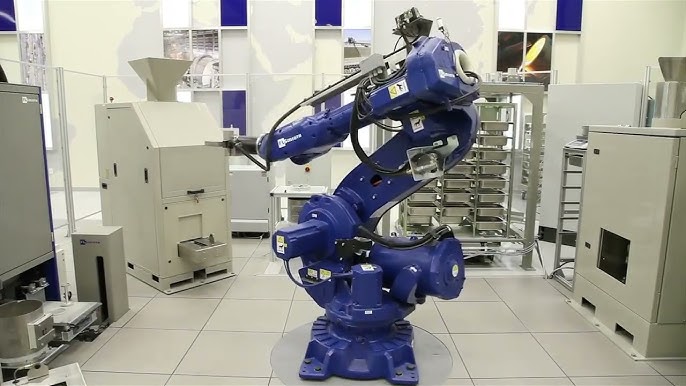
        FLSmidth Cement’s QCX lab equipment includes a range of advanced products designed for the cement industry, such as the QCX/RoboLab laboratory automation system, sample preparation equipment, analysers, and quality control systems. These tools are pivotal in the cement industry’s efforts to streamline production, enhance quality control, and improve operational efficiency. The partnership with Sinoma IIT signifies FLSmidth Cement’s strategic approach to maintaining a strong presence in China’s highly competitive market while also ensuring the continued supply of cutting-edge technology and services globally. The agreement is poised to facilitate greater access to the company’s innovative QCX solutions for local cement manufacturers, ensuring higher standards of quality and performance across the industry.

        Meta Renews Lease for 3.7 Lakh Sq Ft Office in Hyderabad’s Hitec City

          0
          Meta Renews Lease for 3.7 Lakh Sq Ft Office in Hyderabad’s Hitec City
          Meta Renews Lease for 3.7 Lakh Sq Ft Office in Hyderabad’s Hitec City

          Meta Renews Lease for 3.7 Lakh Sq Ft Office in Hyderabad’s Hitec City

          Meta, the parent company of Facebook, has renewed its lease for a significant office space spanning 3.67 lakh sq ft in the bustling Hitec City area of Hyderabad. The new lease, signed through two separate agreements, will keep the tech giant in the commercial complex for an additional five years, underlining the city’s growing importance as a tech hub in India.

          The renewed lease deal sees Meta committing to a total rental payout of over Rs 170 crore. With monthly rental payments of more than Rs 2.8 crore, the agreement also includes a clause that will see rents escalate by 15% starting in January 2026. Along with the lease renewal, Meta has made a security deposit equivalent to six months’ rent, amounting to Rs 16.8 crore for the office space in the Skyview complex, a collaborative project between real estate developers RMZ and My Home Group.

          The lease renewal, concluded in April and finalised recently, highlights Meta’s continued commitment to its operations in Hyderabad. This decision comes amid a highly competitive office space market, with multinational corporations actively seeking prime real estate to accommodate their expanding workforce and business functions. Hyderabad has cemented its place as a sought-after location for multinational companies, particularly those in the tech industry, due to its infrastructure, skilled workforce, and strong IT ecosystem. For Meta, this lease renewal represents a significant reaffirmation of its faith in Hyderabad, which serves as a major base for its employees working on technology and engineering initiatives. The company’s large-scale office spaces in the city have played an integral role in its operations, especially as it continues to expand in India.

          India’s commercial real estate sector is seeing a marked resurgence in office lease renewals and new transactions. Major business hubs like Bengaluru, Hyderabad, Mumbai, and Delhi-NCR are attracting multinational companies, with many opting to extend their office space leases. This trend reflects sustained demand and long-term confidence in India’s commercial real estate market, particularly in key technology-driven locations. Other multinational firms are following a similar path. For instance, US-based CA Technologies recently renewed its lease for more than 108,000 sq ft in the Eon Free Zone commercial complex in Pune’s Kharadi area for five years. Similarly, Nvidia, a global leader in graphics processing units, renewed its lease for 375,000 sq ft of office space in Pune’s Yerwada area for a 10-year term.

          The growing trend of lease renewals among large tech and financial firms underscores the resilience of India’s office market. Despite global economic uncertainties, India’s commercial real estate sector continues to thrive, buoyed by its growing talent pool, the adoption of hybrid work models, and the expanding footprint of international businesses. For businesses like Meta, this lease renewal is a strategic decision, ensuring that their operations in India remain well-supported by cutting-edge infrastructure and access to a skilled workforce. With robust economic indicators and continued demand for office space in tech hubs, cities like Hyderabad are poised to maintain their status as prime locations for business expansion in the years ahead. Meta’s renewal of its office lease in Hyderabad highlights both the city’s importance in the global tech ecosystem and the continued strength of India’s commercial real estate market. As businesses plan for long-term growth, cities like Hyderabad will remain at the forefront of the nation’s economic expansion.

          BigBloc Secures Rs 4.5 Crore Order from Tata for Micron’s Factory

          0
          BigBloc Secures Rs 4.5 Crore Order from Tata for Micron’s Factory
          BigBloc Secures Rs 4.5 Crore Order from Tata for Micron’s Factory

          BigBloc Secures Rs 4.5 Crore Order from Tata for Micron’s Factory

          Siam Cement BigBloc Construction Technologies, a joint venture between Gujarat-based BigBloc Construction and Thailand’s SCG International Corporation, has successfully secured a work order valued at Rs 4.5 crore from Tata Projects. The order involves the supply and installation of Autoclaved Aerated Concrete (AAC) panels for Micron India’s first semiconductor factory in Sanand, Gujarat. This marks a significant milestone for the company, as it is the first major order since the commencement of commercial operations at India’s first AAC wall plant in Kheda, Gujarat, earlier this year.

          The work order entails the supply and installation of 100 mm AAC panels across a 2 lakh square feet area for Micron India’s cutting-edge semiconductor plant. The order was finalised after extensive discussions, due diligence, and visits to the factory, which included a review of mock-ups. The project is expected to be completed within three months, reflecting the efficiency and capability of the joint venture’s operations. This contract is a key achievement for the Siam Cement BigBloc Construction Technologies joint venture, which was established with the vision to introduce next-generation walling solutions to the Indian market. The joint venture invested approximately Rs 65 crore in setting up a 2.5 lakh cubic meter per annum capacity plant for large-format AAC wall products, a solution that promises to revolutionize the construction sector.

          The AAC panels, marketed under the brand name ‘ZMARTBUILD WALL by NXTBLOC,’ are touted for their superior fire resistance, with a 4-hour fire rating, offering enhanced safety and faster project execution. These panels, ranging from 2 meters to 6 meters in length, represent a groundbreaking innovation in India’s construction materials market. Naresh Saboo, Managing Director of BigBloc Construction, expressed pride in the project’s success, noting that it marks a transformative journey for the construction industry. He added that the company is eager to collaborate on other marquee projects and expand its reach across India. Moving forward, both BigBloc and SCG International plan to further strengthen their supply chain in India, leveraging their combined expertise to provide exceptional building material solutions. The joint venture also aims to increase production capacity to 5 lakh cubic meters per year in the second phase, reinforcing its commitment to the Indian construction market.

          Maharashtra Expands e-Registration for Property Sales to Boost Builder Participation

          0
          Maharashtra Aims to Increase Builders’ Participation in e-Registration Process for First-Sale Flats
          Maharashtra Aims to Increase Builders’ Participation in e-Registration Process for First-Sale Flats

          Maharashtra Expands e-Registration for Property Sales to Boost Builder Participation

          Maharashtra’s property registration department is intensifying efforts to boost the participation of builders in its e-registration initiative for first-sale flats. Launched two years ago, the initiative has already seen the involvement of 300 developers across the state. The objective is to streamline the property registration process and reduce footfall at government registration offices by allowing buyers to complete registrations from the comfort of developers’ offices. This collaboration between developers and the property registration department is designed to enhance convenience, save time, and promote transparency in the real estate sector.

          The e-registration process, which was initially plagued by technical glitches, has now been streamlined. According to a state registration department official, the system is now functioning smoothly and is available for all MahaRERA-registered developers. The department has offered extensive training and technical support to help developers implement the online system. As of now, over 500 developers have received training, and officials anticipate further growth in the number of builders adopting this method.

          One of the key advantages of the e-registration process is the reduction in footfall at physical registration offices, helping ease congestion and improve operational efficiency. The system allows property buyers to complete the entire registration process at the developer’s office, in coordination with the registration department. For buyers, this translates into a quicker, hassle-free experience. Meghana Mohit, a homebuyer who recently registered her flat through a developer’s office, praised the process for its simplicity, completing her registration in just 10-15 minutes with all documents prepared in advance. In terms of adoption, the initiative has seen encouraging results. Over the last year, more than 7,600 property documents were registered through developers’ offices. Since the launch of the programme, a total of 10,000 property documents were registered in its first year, though this number fell to 6,000 in 2023. Despite the drop, the department remains optimistic, expecting an additional 300 developers to join the e-registration initiative in the next two months.

          Shantilal Kataria, a governing council member of Credai National, noted that many developers are now showing interest in the process after initial issues were resolved. However, he emphasised the need for the state government to push the initiative further to increase awareness and participation. Beyond the logistical benefits, the e-registration initiative also supports Maharashtra’s revenue generation. Property registrations, particularly high-value transactions, continue to deliver significant revenue for the state. In November and December, despite a drop in the total number of property registrations, the state still recorded revenue exceeding Rs 3,000 crore per month. November saw revenue of Rs 3,995 crore, while December’s figure stood at Rs 2,768 crore. As of December 2023, the department had already achieved 69% of its annual revenue target of Rs 55,000 crore, with total registrations reaching 19.02 lakh and revenue collection amounting to Rs 38,084 crore.

          The revenue from property registrations remains strong, thanks in part to continued high-value transactions. Despite a drop in registration numbers in November and December, the department is confident that the e-registration initiative, along with other supportive measures, will continue to drive property transactions and contribute to sustained revenue growth. Developers, through their association Credai, have also been lobbying for a reduction in stamp duty and ready reckoner (RR) rates to further stimulate the market and ease property transactions. With the e-registration process proving successful, this push for policy changes could further benefit Maharashtra’s real estate sector and improve the ease of doing business. The state’s push to increase developer participation in the e-registration process for first-sale properties presents several advantages, including reduced congestion at registration offices, faster transactions for buyers, and enhanced revenue for the state. With continued support and awareness, this initiative has the potential to transform the property registration landscape in Maharashtra.

          CMDA to e-Auction Land Along Chennai Outer Ring Road, Driving Economic Growth and Urbanisation

          0
          CMDA to e-Auction Land Along Chennai Outer Ring Road, Driving Economic Growth and Urbanisation
          CMDA to e-Auction Land Along Chennai Outer Ring Road, Driving Economic Growth and Urbanisation

          CMDA to e-Auction Land Along Chennai Outer Ring Road, Driving Economic Growth and Urbanisation

          The Chennai Metropolitan Development Authority (CMDA) is set to e-auction plots along the Outer Ring Road (CORR) in January, kickstarting key urban development projects that will turn the area into a thriving economic zone.

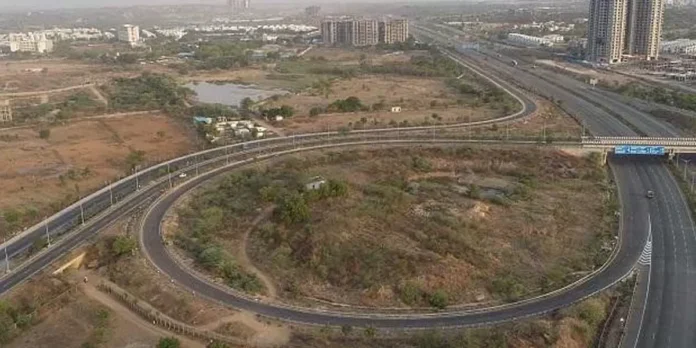
          The Chennai Metropolitan Development Authority (CMDA) has announced an e-auction of plots along the Outer Ring Road (CORR) in January 2024. This initiative is part of a broader plan to develop the 62-kilometre corridor into a bustling economic and urban zone, connecting key areas like Minjur, Red Hills, Poonamallee, and Vandalur. The Outer Ring Road, which stretches from Minjur in the north to Vandalur in the south, was originally included in Chennai’s first master plan but has remained largely underdeveloped. However, CMDA is now working to unlock its full economic potential, with nearly 80% of the work on the master plan already completed. The plan aims to create a vibrant corridor that supports residential, commercial, and industrial development, along with key infrastructural upgrades.

          The upcoming e-auction will focus on select land parcels located between Poonamallee and Vandalur, spanning 20 kilometres. These areas are expected to undergo significant transformation with the construction of premium housing, industrial zones, warehousing, hotels, and even urban forests. CMDA is also addressing key infrastructure challenges in the region, including a comprehensive flood drainage plan. With an anticipated 80% increase in population in the coming years, the authority is taking proactive measures to manage runoff and mitigate flood risks through flood vulnerability mapping and water body studies.

          The development plan for each region along the CORR is tailored to its unique potential. Poonamallee, for example, is set to become a major business district and multi-modal connectivity hub, thanks to its strategic location near the Bengaluru highway and metro connectivity. Vandalur will evolve into a cosmopolitan hub, while Minjur is poised to become an industrial and multi-modal hub, with port-based development. Red Hills will be developed as an eco-sensitive zone with urban forests, ensuring a balance between growth and environmental sustainability.

          Industry experts, including Ajit Chordia, chairman of the Indian Green Building Council, have noted that development along the CORR will not only drive urbanisation but also encourage private landowners to contribute to the area’s growth. This concentrated release of land will stimulate investment, creating new opportunities for housing, industry, and infrastructure development. Residents of surrounding areas, like Pattabiram, have also expressed optimism about the potential impact of the project. T. Sadagopan, a local resident, suggested extending the proposed metro line from Koyambedu to Avadi to reach Nemilichery on CORR, which would connect Minjur and Vandalur. This extension would improve accessibility and link several industrial estates, boosting connectivity and business opportunities across the region. The e-auctioning of land along the Outer Ring Road represents a critical step in transforming Chennai into a smart, sustainable city. The development of the CORR as an economic corridor is set to play a key role in the city’s future growth, offering a range of opportunities for investors, businesses, and residents alike.

          Welspun Corp Unit Secures Rs 130 Crore Steel Pipe Order from Saudi Arabia

          0
          Welspun Corp Unit Secures Rs 130 Crore Steel Pipe Order from Saudi Arabia
          Welspun Corp Unit Secures Rs 130 Crore Steel Pipe Order from Saudi Arabia

          Welspun Corp Limited’s associate company, East Pipes Integrated Company for Industry (EPIC), has successfully secured a substantial order valued at SAR 57 million, approximately Rs 130 crore, for the manufacturing and supply of steel pipes and coating. This order was awarded by Saudi Arabia’s prominent players in the construction and infrastructure sector, Saudi Real Estate Infrastructure Company (Binyah) and AI Rashid Trading and Contracting Company.

          The contract, which is expected to last for seven months, will see EPIC deliver the required steel pipes and coatings within this period. The financial impact of this order is anticipated to be reflected in Welspun Corp’s Q1 and Q2 financial results for the fiscal year 2025-2026, as disclosed in a regulatory filing by the company. EPIC, known for its manufacturing of Helical Submerged Arc Welded (HSAW) pipes, has established itself as a key player in Saudi Arabia’s steel market. Its fully integrated manufacturing facilities have contributed to its strong positioning as a preferred supplier in the region, providing an edge in meeting the growing demand for infrastructure projects.

          This new contract follows a previous significant achievement for EPIC, which bagged an order valued at approximately Rs 512 crore from Saudi Arabia. That contract, signed with the Saline Water Conversion Corporation (SWCC), focused on the manufacturing and supply of steel pipes. EPIC’s continued success in securing major orders showcases its competitive advantage and growing influence in the steel pipe industry in the Kingdom of Saudi Arabia. Welspun Corp’s strategic investments in EPIC are continuing to bear fruit, strengthening its presence in the Middle Eastern market while expanding its order book and revenue streams. As the demand for steel pipes and coatings in the infrastructure sector remains robust, the company is well-positioned for continued success in the region.

          Ukrainian Steel Industry Exceeds 2024 Expectations Despite Challenges

          0
          Ukrainian Steel Industry Exceeds 2024 Expectations Despite Challenges
          Ukrainian Steel Industry Exceeds 2024 Expectations Despite Challenges

          Ukrainian Steel Industry Exceeds 2024 Expectations Despite Challenges

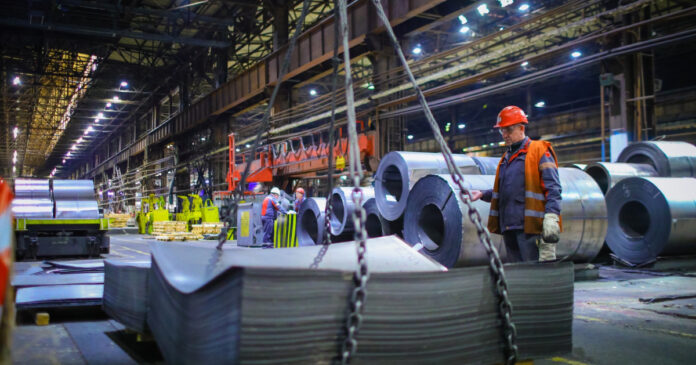
          Ukraine’s steel industry has shown remarkable resilience in 2024, exceeding production expectations despite ongoing challenges related to the war. Preliminary estimates suggest that the country’s steel output could reach 7.5 million tons this year, a 21% increase from 2023. However, this output remains significantly lower than pre-war levels, with a stark contrast to the 21.4 million tons produced in 2021.

          The industry’s recovery can largely be attributed to the launch of the maritime corridor at the end of 2023. This sea route has alleviated logistical bottlenecks and has opened new export avenues, particularly to European and Asian markets. For instance, the second blast furnace commissioned at ArcelorMittal Kryvyi Rih (AMKR) has been a pivotal factor in boosting production. Over the first 11 months of 2024, exports of semi-finished products rose by 60%, adding an additional 650,000 tons. Similarly, exports of rolled products increased by 40%, with 500,000 tons shipped out. One of the most significant achievements in 2024 was the resumption of iron ore exports to China. By November, Ukraine had shipped 13 million tons of iron ore to China, accounting for 43% of total exports. This development marks a substantial recovery from previous years, with Chinese demand bolstering Ukraine’s economic prospects amidst the ongoing conflict.

          Despite the positive growth in 2024, forecasts for the steel industry in 2025 remain cautious. The ongoing war poses significant risks to both production and exports, and rising energy costs and increasing logistical pressures threaten the industry’s competitiveness. Electricity prices in Ukraine are now higher than in many European countries, while railroad tariffs have also risen, further inflating production costs. These factors could lead to a reduction in production capacity or even the closure of facilities if the situation worsens. However, the industry’s performance in 2024 demonstrates that, despite the severe challenges posed by the war, Ukraine’s steel sector can adapt and grow by embracing new logistics solutions and boosting production capabilities. Although the road ahead is fraught with uncertainties, the progress made in 2024 offers hope for the future of Ukraine’s iron and steel industry.