Home Blog Page 423

Rourkela Smart City Accelerates Key Projects, Enhancing Infrastructure and Sustainability

0
Rourkela Smart City Accelerates Key Projects, Enhancing Infrastructure and Sustainability

Rourkela Smart City Accelerates Key Projects, Enhancing Infrastructure and Sustainability

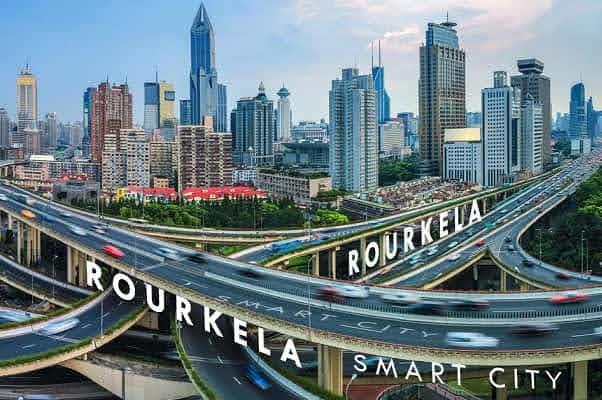
Rourkela, one of the cities selected under India’s ambitious Smart Cities Mission, is making significant strides in transforming its urban infrastructure. The recent 28th Board of Directors meeting of Rourkela Smart City Ltd. (RSC Ltd.), chaired by Development Commissioner Anu Garg, has put several key projects on a fast track to meet the city’s developmental goals. Attended by important officials including Usha Padhee, Principal Secretary of the Housing and Urban Development Department, and Sundargarh District Collector Manoj Satyawan Mahajan, the meeting reviewed the progress of ongoing initiatives, discussed challenges, and strategised on revenue generation and operational maintenance.

One of the major focuses of the meeting was the Integrated Command and Control Center (ICCC), which is central to Rourkela’s Smart City vision. The Board urged M/s BEL, the project’s contractor, to expedite the project to ensure its timely completion. The ICCC will act as the brain of the city’s smart infrastructure, overseeing security, traffic management, emergency services, and disaster response. It will integrate the existing control room of the Rourkela Municipal Corporation and be a vital part of the city’s digital backbone.

Another notable development is the progress of the ‘Rourkela One’ project, which involves the construction of multiple key facilities including the City Command Center (CCC) and a Tribal Museum. The construction of these buildings is progressing smoothly, with particular focus being given to the soft components of the Tribal Museum. This museum will not only showcase Odisha’s rich tribal culture through artifacts, tribal huts, and shrine crafts but will also feature a Hockey Hall of Fame, making it a unique cultural hub in the city. In addition to these key projects, the Board received updates on other important initiatives such as the Big Recreation Park and the Vedvyas Heritage Development. These projects aim to enhance the recreational infrastructure of the city, provide green spaces for public enjoyment, and improve the overall aesthetic and environmental quality of Rourkela.

The city’s Smart City initiative, which aims to make Rourkela a model of urban sustainability and modernity, involves a comprehensive approach to infrastructure development. From upgrading roads, drainage systems, and water supply networks to adopting renewable energy solutions and improving waste management, Rourkela is making steady progress. The focus is on integrating technology into urban governance, with projects like smart traffic management systems, public Wi-Fi, surveillance, and e-governance making the city more efficient and responsive to residents’ needs. Public transport and mobility are also set for a revamp. With plans for smart traffic signals, better roads, and the potential introduction of electric buses, the aim is to create a cleaner, more efficient transportation system. These upgrades not only address congestion issues but also contribute to the city’s sustainability goals by reducing its carbon footprint.

The development of Rourkela’s infrastructure is a clear reflection of its growing importance in Odisha’s urban landscape. The Rourkela Smart City initiative is not just about modernising the city’s physical infrastructure but also about ensuring that its cultural heritage, environmental sustainability, and quality of life are seamlessly integrated into the urban development process. As the various projects take shape, Rourkela is well on its way to becoming a model smart city that others can look up to. Rourkela is actively pushing forward with its smart city plans, integrating modern technology and sustainable practices to improve urban living. With projects like the Integrated Command and Control Center, Tribal Museum, and various infrastructure upgrades, Rourkela is set to redefine urban development in the region, enhancing the quality of life for its residents.

Kaushalya Logistics Boosts Cement Logistics with New Depots in Uttar Pradesh

Kaushalya Logistics Boosts Cement Logistics with New Depots in Uttar Pradesh

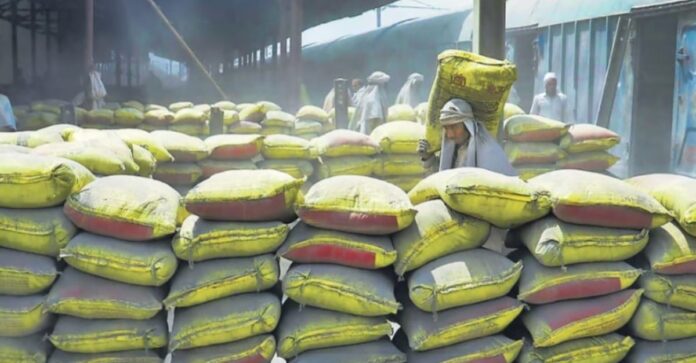
Kaushalya Logistics Limited (NSE: KLL), a prominent logistics provider in India, has secured approval to establish three new depots in Uttar Pradesh for JK Cement. This expansion is set to significantly enhance the company’s cement logistics operations and is poised to streamline supply chain efficiencies for JK Cement in the region. The newly approved depots are strategically located in Shahganj, Fatehpur, and Akbarpur, marking a critical step in Kaushalya Logistics’ efforts to strengthen its footprint in the cement logistics sector.

These new facilities will enable JK Cement to optimize its distribution process and ensure a more efficient and timely delivery of products across key markets in Uttar Pradesh, one of India’s rapidly developing states. Kaushalya Logistics has long been a trusted partner for some of India’s top cement manufacturers, including Dalmia Cement Bharat Limited and Adani Cement. This expansion builds on its established reputation in the industry and further solidifies its position as a leading logistics provider in the cement sector. The three new depots will support the growing demand for cement in the region and help streamline the distribution process, boosting operational efficiencies. In addition to enhancing logistics capabilities, the expansion is expected to open new growth opportunities for Kaushalya Logistics. The new depots will increase revenue streams, optimize resource utilization, and strengthen Kaushalya Logistics’ relationship with key industry players, including JK Cement.

Uddhav Poddar, Managing Director of Kaushalya Logistics Limited, expressed enthusiasm about the expansion: “We are delighted to announce the addition of three new depots for JK Cement in Uttar Pradesh. This milestone reflects our commitment to supporting the growth of our clients while enhancing the efficiency of their operations. With this expanded infrastructure, we are not only improving service delivery but also unlocking new growth prospects for Kaushalya Logistics.” The company’s growth in the cement logistics space exemplifies its dedication to providing innovative and reliable logistics solutions, which align with the evolving needs of the cement industry in India. With this expansion, Kaushalya Logistics aims to maintain its leadership in logistics, driving efficiency, excellence, and innovation across the country.

Key Real Estate Marketing Trends in India 2024

    0
    Key Real Estate Marketing Trends in India 2024
    Key Real Estate Marketing Trends in India 2024

    Key Real Estate Marketing Trends in India 2024

    As 2024 draws to a close, the Indian real estate sector has witnessed significant shifts in marketing strategies, driven by a combination of technological advancements, changing consumer expectations, and a heightened focus on sustainability. Over the past year, the real estate market in India has increasingly leaned into digital tools, data-driven insights, and eco-conscious branding, reflecting broader global trends while tailoring them to the nuances of the Indian market. These changes have not only redefined how properties are marketed but also how developers engage with potential buyers.

    In the first half of 2024, digital marketing strategies gained unparalleled momentum in the real estate sector. Developers and marketers increasingly turned to social media platforms, virtual tours, and influencer collaborations to create deeper connections with potential buyers. A report by Anarock indicated that nearly 72% of property buyers in metropolitan areas now initiate their search online. Virtual reality (VR) and augmented reality (AR) tools further revolutionised the industry, allowing homebuyers to experience properties remotely, a trend that emerged in the aftermath of the pandemic and has only expanded since. These technological tools have enabled developers to provide immersive experiences that go beyond traditional brochure-based marketing.

    Meanwhile, the importance of sustainability in real estate marketing also reached new heights in 2024. As environmental concerns continue to dominate public discourse, developers have increasingly incorporated green building practices and energy-efficient features into their marketing strategies. Projects boasting green certifications like LEED (Leadership in Energy and Environmental Design) have been highlighted more prominently in promotional campaigns, attracting environmentally conscious buyers. Urban developers, in particular, have showcased eco-friendly features such as rainwater harvesting, solar power, and waste management systems, addressing the growing demand for sustainable living solutions. In fact, studies indicate that properties marketed with sustainable features saw a price premium of up to 10% in some metropolitan areas.

    The marketing narrative in 2024 also underwent a shift towards transparency and customer-centricity. Homebuyers, particularly the millennial and Gen Z cohorts, are now more informed and discerning about their choices. The emphasis on customer reviews, online property portals, and real-time communication with developers has allowed buyers to engage in the decision-making process with greater ease and confidence. Additionally, with affordability being a growing concern, many developers have begun focusing on budget-friendly housing and innovative financing options as part of their marketing strategies. This approach, tailored to the middle-income segment, has been instrumental in boosting sales in key urban centres.

    Looking ahead, the year 2025 holds promise for continued innovation in real estate marketing in India. The adoption of artificial intelligence (AI) to predict consumer behaviour, along with advanced data analytics, will further refine targeting strategies. However, the sustainability angle will likely remain central, with eco-conscious buyers becoming an even more dominant force in shaping the demand for real estate. Developers who embrace these trends will be better positioned to navigate a competitive landscape, balancing modernity with environmental responsibility. With the real estate market becoming increasingly aligned with the sustainability agenda, 2025 could witness even stronger integration of eco-friendly living into mainstream property development.

    In conclusion, 2024 has marked a turning point for real estate marketing in India. From digital transformation to a focus on sustainability, the trends witnessed over the year are reshaping the way developers and buyers interact. These developments suggest a future where technology, consumer empowerment, and environmental responsibility converge to create a more dynamic, transparent, and sustainable real estate market. As India’s cities continue to grow, these marketing trends will likely play a pivotal role in shaping the urban landscape for years to come.

    Ayodhya Demolishes Houses Built on Encroached Mythological Saptsaagar Land

    0
    Ayodhya Demolishes Houses Built on Encroached Mythological Saptsaagar Land
    Ayodhya Demolishes Houses Built on Encroached Mythological Saptsaagar Land

    Ayodhya Demolishes Houses Built on Encroached Mythological Saptsaagar Land

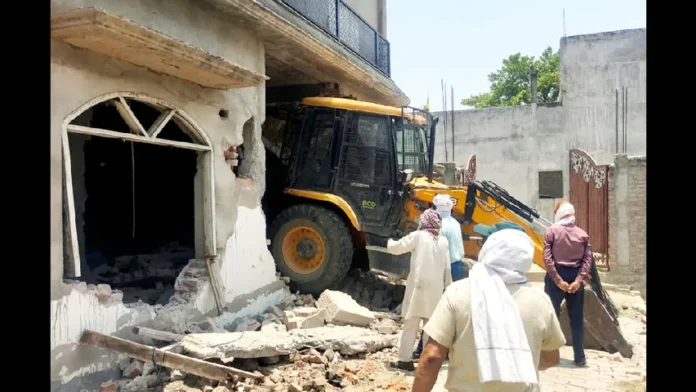
    The Ayodhya administration demolished several houses in the posh Saptsaagar Colony, which had allegedly been built on encroached land that once housed the mythological Saptsaagar pond. The demolitions, carried out during the midnight hours from Monday to Tuesday, have sparked a heated debate, with residents and political figures expressing their outrage over the manner in which the action was taken.

    The Saptsaagar pond, mentioned in various ancient religious texts, has long been an important part of the region’s mythology. According to local folklore, it was a sacred water body that held both historical and spiritual significance. However, over time, the pond has reportedly disappeared, as it was encroached upon and gradually filled up for land development. The land, covering eight bighas, has now become the site of the Saptsaagar Colony, which is said to be built on the area where the pond once stood. Authorities confirmed that the land in question belongs to plot number 67, which historically housed the Saptsaagar pond. However, houses have been constructed on adjacent plot number 95, which is alleged to have been part of the encroached area. Despite residents possessing valid documentation, including land registration, mutation records, and sanctioned blueprints from the Ayodhya Development Authority, their homes were demolished without any prior notice.

    The demolition operation has sparked considerable controversy, especially as many of the residents had obtained their plots through legitimate channels. Manisha Gupta, one of the affected residents, claimed that she had purchased land in 2018 in the Saptsaagar Colony, with the proper legal documentation in place. She alleged that after completing the registry, obtaining mutation, and receiving approval from the Ayodhya Development Authority, she had even secured a bank loan for construction. Gupta expressed shock and dismay that her newly built house had been demolished without warning. The issue has also drawn political attention, with Samajwadi Party’s Faizabad MP, Awadhesh Prasad, criticising the bulldozer action. At a press conference, Prasad pointed out that despite the residents’ legal documentation, their homes were demolished without notice, leaving them homeless. He announced plans to launch a movement to support the victims of the demolition, calling for justice.

    Sub-District Magistrate Vikas Dubey explained that the land occupied by the residents was originally part of plot number 67, where the Saptsaagar pond was located. However, the houses were built on plot number 95, which had allegedly been encroached upon. Dubey maintained that the authorities were within their rights to take action, as the land had been encroached illegally. The demolition has raised questions about the balance between development and heritage preservation, as well as the role of urban planning authorities in managing encroachment. The situation highlights the challenges faced by residents who, despite having acquired property through legitimate means, find themselves at the mercy of authorities who are enforcing anti-encroachment measures.

    This incident is part of a broader issue in Ayodhya, where several other mythological ponds mentioned in religious texts have vanished over time due to encroachment and land sales. The case of Saptsaagar Colony sheds light on the growing tension between modern urban development and the preservation of historically and culturally significant sites. As the controversy unfolds, questions regarding urbanisation, land rights, and the preservation of local heritage are likely to remain at the forefront of political and social discourse in Ayodhya. The issue also underscores the need for clearer communication and proper notice for residents affected by such actions, especially when they have legal documentation to back their claims.

    Japan’s Crude Steel Output to Decline by 2.4% in Q1 2025

    0
    Japan's Crude Steel Output to Decline by 2.4% in Q1 2025
    Japan's Crude Steel Output to Decline by 2.4% in Q1 2025

    Japan’s Crude Steel Output to Decline by 2.4% in Q1 2025

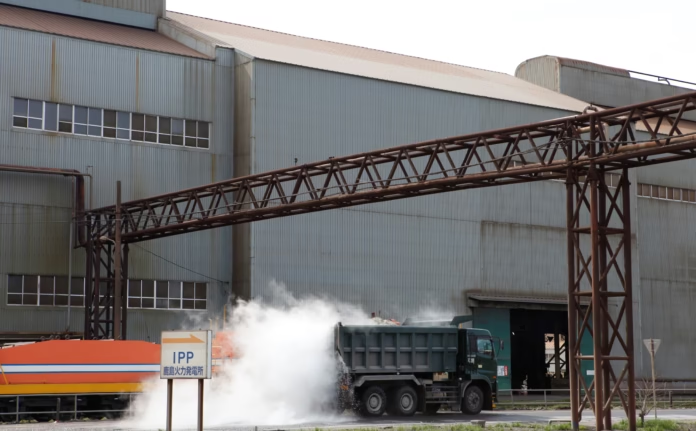
    Japan’s crude steel output is projected to decrease by 2.4% year-on-year in the first quarter of 2025, largely due to sluggish demand from the manufacturing and construction industries, according to the Ministry of Economy, Trade and Industry (METI). The decline will contribute to an expected 3.6% fall in Japan’s total steel production for the fiscal year ending March 31, 2025, bringing the annual output to 83.72 million metric tons. This marks the lowest level since fiscal 2020 when the COVID-19 pandemic severely impacted global demand.

    In its forecast released on Thursday, METI estimated that crude steel production in the January-March period would total 20.93 million metric tons, a decrease from 21.45 million metric tons in the same period last year. The forecast also suggests a slight 0.1% drop compared to the current quarter, highlighting ongoing challenges in the steel sector. A key factor behind the weak steel demand is the slowdown in key sectors such as manufacturing, particularly the automotive industry, and construction. Manabu Nabeshima, director of METI’s metal industries division, stated that steel demand is expected to remain subdued due to weak consumption from these vital sectors.

    Looking ahead, the ministry has also predicted a 0.5% fall in demand for steel products, including exports, in the first quarter of 2025. Exports, in particular, are expected to decline by 0.4%, which could further strain Japan’s steel industry. The Japan Iron and Steel Federation has expressed cautious optimism, forecasting a slight increase in the country’s crude steel output for fiscal 2025. However, the federation’s chairman, Tadashi Imai, urged the government to take swift action against rising steel imports from China, which have been putting pressure on Japan’s domestic steel supply chains.

    The growth of China’s steel exports, which have surged to near-decade high levels, has been a point of concern for Japanese steelmakers. Industry analysts predict that China will continue to ramp up steel exports in 2025 as a way to manage overcapacity and offset soft domestic demand. This is expected to exacerbate trade tensions, with Japan urging the government to take prompt trade measures in response. Despite the challenges, Japan remains focused on ensuring its steel sector’s long-term stability and compliance with international trade rules, including those set by the World Trade Organization (WTO), as confirmed by METI officials.

    Pune Property Market Sees 6% Dip Amid Price Surge

    0
    Pune Property Market Sees 6% Dip Amid Price Surge
    Pune Property Market Sees 6% Dip Amid Price Surge

    Pune Property Market Sees 6% Dip Amid Price Surge

    Pune’s real estate market is grappling with a significant slowdown, as home sales fell by 6% in 2024, dropping to 81,090 units from 86,680 units in 2023. This decline, highlighted by data from real estate consultancy firm Anarock, mirrors the broader trends seen across India’s major metro cities. The rising prices, coupled with increasing market saturation, have posed challenges for potential homebuyers, dampening demand despite the market’s robust performance earlier in the year.

    Nationally, the decline in home sales is part of a broader trend, with sales across India’s top seven cities dipping by 4%. Among these cities, Chennai and Kolkata faced the steepest declines, with sales falling by 11% and 20%, respectively. However, the Mumbai Metropolitan Region (MMR) and Bengaluru bucked the trend, experiencing slight growth, with increases of 1% and 2%, respectively. The demand for residential properties in Pune, historically a hotspot for young professionals and families, is showing signs of strain as homebuyers face escalating prices and a more saturated market.

    Experts attribute Pune’s downturn to two main factors: a sharp rise in home prices and market saturation. The average home price in major Indian cities surged by 21% in 2024, further stretching the affordability limits for many buyers. While the first three quarters of the year showed strong sales, the final quarter witnessed a slowdown in inquiries due to affordability constraints, according to industry insiders. Pune, which has also seen a 28% decline in new home supply—down to 60,540 units launched in 2024 from 83,625 units in 2023—is now grappling with a significant supply-demand imbalance. The delay in construction permits has compounded the situation, leaving many potential buyers waiting for new developments.

    In terms of the current market scenario, Pune’s property sector faces a challenging outlook, with reduced inquiries and the increasing gap between demand and supply pushing prices even higher. If construction activities do not gain momentum in the coming year, the market could face a severe affordability crisis in 2025. According to industry analysts, the increasing cost of construction and the lag in approvals for new projects will make it difficult for developers to meet the burgeoning demand for residential properties, which could, in turn, keep prices inflated for the foreseeable future.

    Looking ahead to 2025, the real estate market in Pune, as well as across India, is expected to continue facing pressures from both rising prices and supply constraints. However, there are optimistic signs. Commercial leasing activity has increased, signalling ongoing demand for housing near employment hubs. Industry leaders are hopeful that policy interventions, such as expanding tax benefits under Section 80C and introducing measures to redefine affordable housing, will help stimulate demand. Yet, it remains clear that unless the issues surrounding construction delays and affordability are addressed, the market will struggle to regain its previous momentum.

    In the context of sustainability, the shift in demand towards more affordable housing options and sustainable urban development is crucial. As Pune grapples with its real estate challenges, sustainable building practices, energy-efficient homes, and eco-friendly initiatives will be pivotal for developers and policymakers in balancing growth with environmental responsibility. With urbanization continuing at a rapid pace, cities like Pune must focus on long-term solutions to create affordable, sustainable living spaces that meet the demands of a growing population without compromising environmental integrity.

    As Pune’s real estate market faces these pressures, the year 2025 may prove to be a turning point for the sector. The path forward will require a balanced approach to supply, affordability, and sustainable development to ensure that the city’s real estate market remains resilient and continues to thrive in the long term.

    Dr. Manmohan Singh’s Impact on India’s Real Estate Growth

      0
      Dr. Manmohan Singh's Impact on India's Real Estate Growth
      Dr. Manmohan Singh's Impact on India's Real Estate Growth

      Dr. Manmohan Singh’s Impact on India’s Real Estate Growth

      Dr. Manmohan Singh, India’s former Prime Minister, remains an iconic figure whose profound impact on the country’s economy continues to resonate, especially in sectors such as real estate. His role as the architect of India’s economic reforms in the 1990s paved the way for a new era of growth. Under his stewardship, the real estate sector experienced exponential growth, propelling it to the forefront of India’s economic landscape. While much is written about his role in economic liberalisation, his influence in transforming India’s real estate industry during his tenure from 2004 to 2014 cannot be overstated.

      During the 2004-2014 period, known as the ‘Golden Era’ of Indian real estate, Singh’s leadership created an environment ripe for growth. His administration’s focus on liberalising the economy and reducing trade barriers resulted in an influx of foreign direct investment (FDI). The real estate sector was one of the primary beneficiaries of these economic reforms. Growth rates in the sector soared to an impressive 20% annually, with rental yields reaching a peak of 8% in 2008. As the economy flourished, so did demand for residential and commercial properties. The country experienced rapid urbanisation, which further fuelled this demand and led to the rapid development of infrastructure in key cities.

      Dr. Singh’s contributions extended beyond policy reforms. The government under his leadership invested significantly in infrastructure, improving roads, ports, and airports. These improvements played a crucial role in increasing connectivity and providing the necessary foundation for real estate to thrive. Investment in commercial real estate, in particular, surged during this period, with commercial real estate investments jumping from 46.6% in 2001-02 to 58.4% in 2007-08. This shift signalled a marked increase in urban development, transforming key cities into bustling economic hubs, making India an attractive destination for global investors. The infrastructure improvements and rapid urbanisation were key to driving both residential and commercial real estate to unprecedented heights.

      While Dr. Singh’s own real estate holdings may not have been widely discussed, his influence on the sector is undeniable. His legacy as a reformer is marked by his ability to create a business-friendly environment that enabled the real estate sector to thrive. The economic liberalisation policies implemented during his tenure allowed India’s property market to grow at an astounding pace. The demand for housing soared, and major cities saw the rise of expansive residential developments, while the commercial sector grew equally rapidly, attracting multinational corporations looking to capitalise on India’s expanding market.

      However, his contributions were not just about expansion but also about laying the groundwork for sustainable urban growth. By encouraging the development of infrastructure and cities in a more interconnected way, Dr. Singh’s policies helped manage the rapid urbanisation that occurred during this period. These foundations continue to support the growth of India’s real estate sector, with a growing focus on sustainability and responsible development. As cities continue to expand and new areas become more developed, his vision of an interconnected, well-planned India remains an integral part of the nation’s ongoing urban evolution.

      Looking forward, the real estate sector’s growth, spurred by Singh’s reforms, is expected to continue. India’s housing sector is now facing new challenges, such as the need for sustainable development to cater to an expanding population. As the real estate market moves into the next decade, these foundational changes will be critical in ensuring that growth remains balanced and inclusive. Dr. Singh’s legacy, therefore, extends beyond economic figures and real estate statistics—it’s a lasting testament to the vision of a modern, sustainable India.

      India’s Real Estate Transformation to Luxury, Sustainability, and Growth

        0
        India's Real Estate Transformation to Luxury, Sustainability, and Growth
        India's Real Estate Transformation to Luxury, Sustainability, and Growth

        India’s Real Estate Transformation to Luxury, Sustainability, and Growth

        India’s real estate sector in 2024 witnessed significant changes that reshaped the landscape and set the stage for future growth. As one of the country’s most vital economic pillars, real estate contributed heavily to the nation’s GDP, projected to reach $1 trillion by 2030. The sector experienced growth across multiple facets, including luxury housing, suburban living, emerging technology, and sustainable building practices. With a focus on meeting evolving buyer preferences, this year’s trends will likely have lasting impacts in 2025 and beyond.

        One of the most notable shifts was the continued expansion of the luxury housing market. With rising disposable incomes and an increasing number of high-net-worth individuals, demand for exclusive, well-crafted residences surged. Properties featuring cutting-edge home automation, advanced security systems, and amenities like private pools and concierge services became the norm for luxury buyers. Developers responded by focusing on sustainable designs and prime locations to not only attract affluent buyers but also to ensure these luxury properties serve as long-term investments. The focus on superior craftsmanship, prime locations, and energy-efficient solutions reflected a new generation of luxury living, where comfort meets sustainability.

        Meanwhile, the trend toward suburban living gained momentum as the effects of the pandemic continued to influence buying habits. The rise of remote work and telecommuting meant that homebuyers began prioritising space, affordability, and accessibility over proximity to urban centres. The demand for larger homes in less congested areas grew substantially. Cities like Mumbai, Pune, and Bengaluru saw increased activity in suburban residential and commercial sectors, with property prices in these areas reflecting a steady uptick. The sale of high-value homes above Rs 5 million increased significantly, while unsold inventory levels dropped, signaling a more balanced and healthier market. Residential sales grew by 11% year-over-year, with notable increases in cities like Hyderabad, Kolkata, and Ahmedabad. This suburban shift, bolstered by improved infrastructure and connectivity, is expected to continue in 2025 as buyers seek more space and better value for money.

        The real estate market in India’s tier-2 and tier-3 cities also experienced a boom in 2024. Government initiatives like the Smart Cities Mission and the AMRUT Yojana brought significant improvements in infrastructure, connectivity, and job creation in smaller cities. This made these locations increasingly attractive to homebuyers and investors looking for more affordable options. With initiatives like the Pradhan Mantri Awas Yojana (PMAY) focusing on affordable housing, these cities are poised to become key players in the country’s real estate landscape in the coming years. As property prices rise in metro cities, demand for affordable housing has increased in these regions, contributing to the growth of both residential and commercial developments.

        A major trend that emerged in 2024, and which is expected to continue in 2025, is the rise of sustainable living. There is growing awareness among buyers regarding the environmental impact of their homes, driving demand for eco-friendly, energy-efficient buildings. Developers are increasingly integrating sustainable construction practices into their projects, offering features such as solar panels, rainwater harvesting, and waste management solutions. Certifications like LEED and IGBC are becoming essential for developers to showcase their commitment to sustainability. This shift toward green buildings not only helps reduce the environmental footprint but also results in long-term cost savings for homeowners in terms of utility bills. With government incentives and growing consumer demand, the push for sustainability in real estate is set to accelerate, aligning with global efforts to reduce carbon emissions.

        Looking ahead to 2025, India’s real estate market will continue to benefit from a mix of technological advancements and evolving consumer preferences. The integration of smart home technology, virtual property tours, blockchain for secure transactions, and AI-driven insights will redefine how properties are marketed, sold, and managed. The continued growth of tier-2 and tier-3 cities, coupled with a focus on sustainable, affordable housing, presents a bright future for the sector. With real estate being one of the largest employment generators in India, the industry is set to contribute even more significantly to the country’s economy, attracting both domestic and international investments. The trends of 2024 will thus lay the foundation for a more sustainable, tech-driven, and inclusive real estate market in the years to come.

        Hyderabad’s real estate market sees a drop in sales and new launches in 2024

        0
        Hyderabad's real estate market sees a drop in sales and new launches in 2024
        Hyderabad's real estate market sees a drop in sales and new launches in 2024

        Hyderabad’s real estate market sees a drop in sales and new launches in 2024

        Hyderabad, once a booming real estate hub, now faces a significant slowdown, as the property market struggles to maintain the momentum it experienced over the past decade. The city, which had seen rapid expansion into previously untapped regions, now finds itself in a state of stagnation, with sales declining, inventory mounting, and the pace of new launches sharply dropping. What was once a symbol of growth and potential has now become a cautionary tale, as developers and homebuyers alike grapple with a market that is losing steam.

        According to recent data from Anarock, the city’s residential sales have dropped by 5 per cent in 2024, with only 58,540 units sold, compared to 61,715 units in 2023. This decline comes amid a broader downturn in the Indian real estate sector, which has been grappling with increased input costs, higher property prices, and political uncertainty related to state and general elections. Hyderabad, traditionally a strong performer in the real estate sector, has now seen a contraction, with only 58,335 new units launched in 2024 — a staggering 24 per cent decline from the 76,345 units launched the previous year.

        Interestingly, while cities like the National Capital Region (NCR) and Bengaluru have witnessed growth in housing sales and new launches, Hyderabad has failed to keep pace. Bengaluru recorded a 30 per cent increase in new launches, and NCR saw a 44 per cent rise, making Hyderabad’s poor performance all the more concerning for investors and developers alike. This slowdown has prompted developers to put new launches on hold, waiting for more clarity on market conditions before committing to new projects.

        The reasons behind the slowdown are multifaceted. Increased homebuyer demand, particularly for luxury properties, has been tempered by the hardening of property prices. In the aftermath of the pandemic, many buyers have sought larger, more luxurious homes, pushing up demand in the high-end market. However, affordability concerns and rising interest rates have dampened the enthusiasm of first-time buyers, traditionally the backbone of Hyderabad’s real estate market. The surge in demand for premium properties has also resulted in supply shortages in certain sectors, making it difficult for homebuyers to find suitable options at reasonable prices.

        From a sustainability perspective, the decline in Hyderabad’s real estate market raises important questions about the long-term environmental and economic impact of unregulated urban growth. The sprawling nature of the city’s development, particularly on the outskirts, has contributed to increased pressure on infrastructure, utilities, and public services. Moreover, the slowdown in new launches offers a chance to reconsider the focus of development, with an opportunity to pivot towards more sustainable practices. Real estate developers could focus on brownfield developments, redevelopment of existing urban spaces, and the integration of green building technologies, ensuring that future projects contribute positively to both the urban environment and the community.

        Additionally, there is an urgent need to reassess the sustainability of the city’s expansion model. Urban sprawl, driven by a push to accommodate growing populations in peri-urban areas, is often marked by environmental degradation and an overburdened infrastructure system. The current slowdown could provide a much-needed opportunity for the city’s planners to take a more measured approach, focusing on infrastructure upgrades, enhancing public transportation, and promoting eco-friendly building practices. By embracing sustainability, Hyderabad’s real estate market could reestablish itself as a growth leader, capable of balancing development with environmental responsibility.  providing the city with the tools to build a more resilient and sustainable urban landscape. For now, however, it seems that the city’s real estate juggernaut has entered a phase of uncertainty, and only time will tell how long this lull will last and when the market will find its rhythm again.

        Over 600 homebuyers in Greater Noida West will receive flats in a stalled project

        0
        Over 600 homebuyers in Greater Noida West will receive flats in a stalled project
        Over 600 homebuyers in Greater Noida West will receive flats in a stalled project

        Over 600 homebuyers in Greater Noida West will receive flats in a stalled project

        In a landmark development for over 600 homebuyers, the Greater Noida Industrial Development Authority (GNIDA) has provided the occupancy certificate (OC) for RG Luxury Homes, a stalled real estate project in Greater Noida West. The completion of this project marks a significant achievement in the real estate sector, as it is the first project in the Gautam Budh Nagar district of Uttar Pradesh to be revived and completed under the reverse insolvency process. This innovative move has helped fulfil the long-awaited aspirations of homebuyers who had been waiting for possession of their flats for years.

        The project, which began in 2010, faced multiple delays due to financial constraints and came to a halt in 2016. Initially set to be completed by 2014, the promoters of RG Luxury Homes struggled with funds, leaving thousands of buyers in limbo. However, the intervention of the National Company Law Tribunal (NCLT) and the subsequent reverse insolvency process allowed the promoters to inject the necessary funds, effectively rescuing the project. As a result, the flats in towers D, E, and F of the project, along with the previously completed towers A, B, C, and M, are now ready for possession by homebuyers.

        Reverse insolvency, a legal mechanism within India’s Insolvency and Bankruptcy Code (IBC), allows promoters to resolve their financial troubles by infusing funds into their projects themselves. This process has proven to be an effective solution for stalled real estate projects, especially in cases where developers are unable to complete projects due to a lack of liquidity. By stepping in as lenders, developers can ensure the successful completion and handover of properties to buyers, while still retaining control over the assets.

        From a sustainability perspective, the use of reverse insolvency in real estate projects such as RG Luxury Homes demonstrates a positive shift towards responsible urban development. By completing projects rather than leaving them abandoned, the model not only provides much-needed housing but also reduces the environmental and economic waste that comes with incomplete infrastructure. Moreover, this approach promotes the efficient use of resources, ensuring that projects already under construction are completed in a sustainable manner, rather than being left to deteriorate.

        The success of this initiative highlights the importance of innovative financial solutions in overcoming the challenges faced by the real estate sector in India. It also underscores the need for policy frameworks that encourage timely resolution of stalled projects, ensuring that the dream of homeownership is realized for thousands of citizens.