
Home Blog Page 430

Shaping Real Estate in 2025 with Smart Homes and Green Energy

    0
    Shaping Real Estate in 2025 with Smart Homes and Green Energy
    Shaping Real Estate in 2025 with Smart Homes and Green Energy

    Shaping Real Estate in 2025 with Smart Homes and Green Energy

    The real estate sector in 2025 is witnessing a paradigm shift, embracing smart home technologies and renewable energy solutions to meet growing demands for convenience and sustainability. This transformation reflects the industry’s commitment to addressing climate change, urban challenges, and consumer expectations. The integration of digitalisation and sustainability is no longer optional but an imperative, reshaping how properties are built and managed.

    Smart homes are emerging as the cornerstone of futuristic living. These technologies empower residents with greater control over their environment, offering automated solutions for lighting, heating, and security systems. Beyond comfort, smart homes provide significant energy efficiency, with automated systems reducing unnecessary energy use. Developers are leveraging this trend to enhance the value of properties, as buyers increasingly demand homes compatible with smartphones and voice assistants. Such advancements represent a fusion of innovation and utility, ensuring smarter energy management and cost savings for homeowners.

    The focus on green energy is equally pivotal. Renewable energy technologies such as solar panels, wind turbines, and heat pumps are becoming the norm, driven by global goals to reduce carbon emissions. Sustainable construction methods and energy-efficient buildings appeal to environmentally conscious buyers while fulfilling political and social mandates. Green energy adoption, with buildings equipped to harness their power, represents a shift towards energy independence and reduced ecological footprints. These features add not just economic value but also align with the ethos of responsible development.

    Merging smart homes with green energy offers immense potential for efficient resource utilisation and significant carbon footprint reduction. With intelligent systems controlling renewable energy consumption, these developments embody the future of real estate. Such trends signal a transformative period where technology and sustainability converge, providing solutions to urban challenges while enhancing living standards. Forward-thinking developers embracing these innovations are poised to redefine real estate landscapes.
     

    HNIs drive Bengaluru’s luxury real estate boom, backed by IT growth, start-up culture

    0
    HNIs drive Bengaluru’s luxury real estate boom, backed by IT growth, start-up culture
    HNIs drive Bengaluru’s luxury real estate boom, backed by IT growth, start-up culture

    HNIs drive Bengaluru’s luxury real estate boom, backed by IT growth, start-up culture

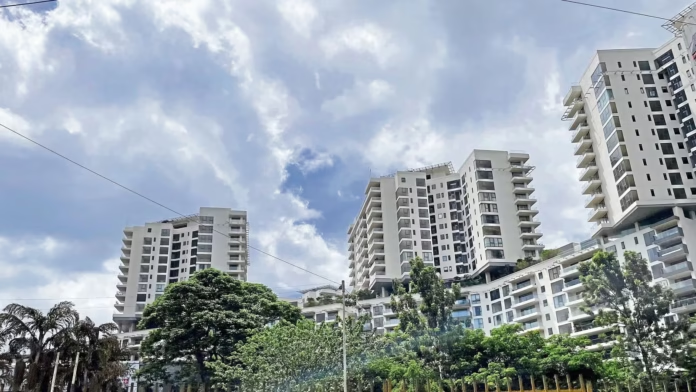
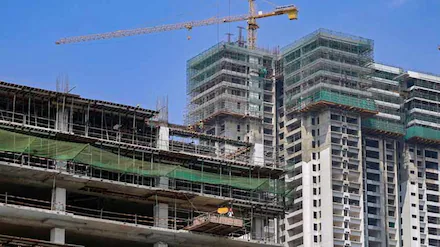
    Bengaluru’s thriving real estate market has witnessed a remarkable surge in investments by high-net-worth individuals (HNIs), driven by the city’s IT ecosystem, start-up culture, and robust infrastructure. A report by ANAROCK predicts India’s HNI population will double to 1.65 million by 2027, with real estate comprising 32 per cent of their portfolio investments. Reflecting this trend, luxury homes accounted for 28 per cent of total sales in 2024, compared to just 16 per cent before the pandemic.

    The city’s residential market, once dominated by mid-segment homes priced between ₹40 lakh and ₹80 lakh, is experiencing a pronounced shift towards premium and luxury properties priced upwards of ₹80 lakh. In the first nine months of 2024, Bengaluru saw the launch of 10,785 luxury units, representing 41 per cent of the city’s new housing supply. Emerging hotspots such as Doddaballapur, Bagaluru, and Devanahalli are attracting HNI investments, alongside established areas like Sarjapur Road and Whitefield. Improved connectivity via the Outer Ring Road, metro projects, and proximity to IT hubs is cementing Bengaluru’s appeal as a luxury real estate destination.

    This boom also stems from the city’s economic stability and policy measures. The unchanged policy repo rate of 6.5 per cent, combined with moderated inflation, has bolstered investor confidence. Rising disposable incomes and the volatility in global financial markets are prompting HNIs to view real estate as a reliable asset class. Young start-up founders and professionals are increasingly diversifying their portfolios with high-end residential properties, further driving demand.

    From a sustainability perspective, Bengaluru’s luxury developments are incorporating eco-friendly designs and energy-efficient technologies. These green initiatives not only attract environmentally conscious investors but also align with global trends in sustainable urban living. As a leading IT hub, the city’s evolving real estate landscape underscores its potential to balance growth with sustainability, fostering a future-ready urban ecosystem.

    NCLT Greenlights Raymond’s Strategic Real Estate Demerger

      0
      NCLT Greenlights Raymond’s Strategic Real Estate Demerger
      NCLT Greenlights Raymond’s Strategic Real Estate Demerger

      NCLT Greenlights Raymond’s Strategic Real Estate Demerger

      The National Company Law Tribunal (NCLT) has approved Raymond Ltd’s plan to demerge its real estate business into a separate entity, Raymond Realty. This strategic restructuring, effective from 1 April 2025, will transfer all real estate assets and operations to the newly formed entity, offering shareholders a more targeted investment opportunity. As part of the arrangement, existing Raymond shareholders will receive one equity share of Raymond Realty for every share held in Raymond Ltd.

      The demerger marks a pivotal moment for Raymond Ltd, a household name in textiles and branded apparel, as it shifts towards creating a standalone real estate venture. The move will enable dedicated management focus and facilitate resource optimisation, allowing both Raymond Ltd and Raymond Realty to pursue independent growth trajectories. With Raymond Realty’s shares set to be listed on the BSE and NSE, stakeholders will enjoy greater flexibility in their investment choices.

      Raymond Ltd has garnered all necessary regulatory approvals for this demerger, including endorsements from the BSE and NSE, which raised no objections. The NCLT has also directed the company to hold virtual meetings with over 1.72 lakh equity shareholders and 534 unsecured creditors within 60 days to ensure comprehensive stakeholder participation. Notices have been sent to key government bodies, such as the Ministry of Corporate Affairs and SEBI, which have 30 days to respond with objections, if any.

      From a sustainability perspective, the demerger signals a commitment to efficient resource allocation and environmentally responsible urban development. By separating its textile and real estate operations, Raymond aims to enhance its capability to deliver focused housing projects that align with evolving sustainability standards. With the restructuring, Raymond Ltd is on track to achieve zero net debt for its lifestyle and non-lifestyle businesses, simplifying its operations and ensuring robust financial health.

      Visakhapatnam Vizag’s 2025 Property Market Faces Big Changes

        0
        Visakhapatnam Vizag's 2025 Property Market Faces Big Changes
        Visakhapatnam Vizag's 2025 Property Market Faces Big Changes

        Visakhapatnam Vizag’s 2025 Property Market Faces Big Changes

        The coastal city of Visakhapatnam is bracing for significant changes in its real estate landscape as revised property values come into effect from January 1, 2025. While existing homeowners stand to benefit from increased property valuations, new buyers will face heightened registration charges. The State government’s decision to adjust property rates is expected to generate substantial revenue but has sparked concerns among real estate stakeholders.

        For example, the government value of flats in Seetammadhara will rise from ₹5,700 to ₹5,900 per square foot, marking a 4% increase. Similarly, property rates in Rushikonda, Marripalem, and Beach Road will witness increments of 9%, 14%, and 20%, respectively. Officials of the Stamps and Registrations Department note that the hike echoes the significant revisions made in 2020, which were aimed at maximising revenue. With these adjustments, Visakhapatnam’s property registration revenue is projected to increase by ₹150 crore in the remaining three months of the current financial year.

        Real estate agents have expressed concerns about the potential dampening effect on property transactions due to rising costs. Industry leaders, including CREDAI representatives, have highlighted the dual challenges posed by higher property values and reduced buyer affordability. Despite this, the government maintains that the revisions are necessary for sustaining public finances. Revenue from property registrations, currently averaging ₹1,000 crore annually in the district, is anticipated to touch ₹1,200 crore with the revised rates.

        From a sustainability perspective, this recalibration offers an opportunity for urban planners to promote efficient land use and sustainable housing developments. Rising property values could encourage vertical development and discourage urban sprawl, aligning with the broader goals of environmental conservation and civic planning. However, critics argue that affordability should remain a central concern, especially in a rapidly urbanising region like Visakhapatnam.

        Delhi-NCR and Mumbai Compete for Ultra-Luxury Real Estate Supremacy

        Delhi-NCR and Mumbai Compete for Ultra-Luxury Real Estate Supremacy
        Delhi-NCR and Mumbai Compete for Ultra-Luxury Real Estate Supremacy

        Delhi-NCR and Mumbai Compete for Ultra-Luxury Real Estate Supremacy

        The year 2024 witnessed a spectacular rise in ultra-luxury real estate deals, with Delhi-NCR seemingly narrowing the gap with Mumbai. Landmark transactions such as a ₹190-crore penthouse in Gurugram and a ₹130-crore bungalow in New Delhi highlight the region’s emergence as a hub for affluent buyers. Meanwhile, Mumbai held its ground with record-breaking sales, including a ₹225-crore deal for two apartments at Oberoi Three Sixty West. As India’s High Net Worth Individuals (HNIs) increasingly seek high-end properties, the competition between these two metropolitan giants has intensified.

        According to the HSBC Global Entrepreneurial Wealth Report 2024, 61% of India’s wealthy allocate their personal wealth to real estate, surpassing the global average of 51%. With ultra-luxury homes offering exclusivity, enhanced amenities, and networking opportunities with society’s elite, this segment has become a preferred choice for strategic investments. Reports from CBRE and Anarock further underscore this trend, noting a significant rise in ₹100-crore-plus transactions compared to 2023. Gurugram’s luxury offerings, such as DLF Camellias, have particularly gained traction, challenging Mumbai’s historical dominance in the segment.

        From a sustainability perspective, the demand for expansive luxury homes raises questions about environmental responsibility. While these properties often feature eco-friendly designs and green certifications, the resource-intensive nature of large-scale developments calls for stricter sustainable practices. Builders in both Mumbai and Gurugram have started integrating renewable energy, water conservation measures, and energy-efficient systems to align with global sustainability goals.

        Experts argue that while Delhi-NCR’s surge is noteworthy, the exclusivity of Mumbai’s high-end localities remains unparalleled. Trophy properties in Malcha Marg or Golf Links represent generational legacies, whereas Gurugram’s fully-loaded apartments appeal to modern preferences. With Gurugram’s average luxury property prices nearing ₹35,000 per square foot—comparable to Mumbai’s—Delhi-NCR has undoubtedly established itself as a worthy contender. However, the civic infrastructure challenges in Gurugram, including traffic congestion and air pollution, remain obstacles to its sustained growth as a premium destination.

        Telangana HC Orders State to Release Rs 40 Crore in Property Tax Charges to Secunderabad Cantonment Board

          0
          Telangana HC Orders State to Release Rs 40 Crore in Property Tax Charges to Secunderabad Cantonment Board
          Telangana HC Orders State to Release Rs 40 Crore in Property Tax Charges to Secunderabad Cantonment Board

          Telangana HC Orders State to Release Rs 40 Crore in Property Tax Charges to Secunderabad Cantonment Board

          The Telangana High Court has directed the state government to release Rs 40 crore in property tax transfer (TPT) charges to the Secunderabad Cantonment Board (SCB), following a writ petition filed by the board’s nominated member. This ruling addresses the longstanding issue of delayed TPT payments, which had been hampering the SCB’s ability to execute essential infrastructure projects and provide services to residents.

          The order marks a significant win for the cantonment board, as the total amount received now stands at nearly Rs 90 crore, out of an estimated Rs 100 crore due. Prior to this, SCB had received Rs 48 crore in March 2024. The delay in the transfer of these charges arose after the formation of Telangana, with the state government changing the payment process, which previously allowed direct transfers from the registration and stamps department to the SCB.

          The delay has caused considerable financial strain on the cantonment, halting several development works and maintenance services. J Ramakrishna, the SCB’s nominated member who filed the petition, emphasized the importance of the ruling: “The delay in TPT transfers has impacted our ability to carry out development work and provide basic amenities to residents.” With the release of this Rs 40 crore, the SCB hopes to clear pending bills and resume stalled projects. However, the board is still awaiting the remaining dues and hopes the state government will establish a more streamlined and efficient transfer mechanism for future payments. SCB CEO Madhukar Naik confirmed the court’s order and further explained, “From 2017, the money was being redirected to the state’s central treasury, and from 2020 onwards, our dues were not being cleared. This, coupled with the abolition of OCTROI taxes, has severely impacted our financial resources and development efforts.”

          CAG Finds Lapses in YEIDA Policies, Points to Financial Losses and Delayed Projects

            0
            CAG Finds Lapses in YEIDA Policies, Points to Financial Losses and Delayed Projects
            CAG Finds Lapses in YEIDA Policies, Points to Financial Losses and Delayed Projects

            CAG Finds Lapses in YEIDA Policies, Points to Financial Losses and Delayed Projects

            Comptroller and Auditor General (CAG) has uncovered significant lapses in the policies and procedures followed by the Yamuna Expressway Industrial Development Authority (YEIDA), the body responsible for overseeing development in the Noida region. The audit examined YEIDA’s functioning between 2005 and 2021 and found substantial flaws, which have contributed to a large number of stalled projects, financial losses, and inefficiencies.

            The audit revealed that YEIDA’s allotment of residential and group housing plots, particularly from 2010 to 2014, led to financial losses totaling Rs 4,226 crore. CAG highlighted the failure of YEIDA’s eligibility criteria for these schemes, which allowed applicants with insufficient financial capacity to bid for high-value plots, resulting in a mismatch between project scale and bidders’ capabilities. In several instances, developers secured plots valued up to 18 times their declared net worth, leading to delayed or incomplete projects. Among the most significant cases was that of Greenbay Infrastructure, which secured a 4 lakh sqm plot in Sector 22D worth Rs 192 crore, despite having little track record in construction. Similarly, Orris Developers and Sunworld City Ltd secured large plots without meeting technical or financial requirements, resulting in significant delays and dues. CAG also criticized YEIDA for allowing applicants to leverage the same net worth for multiple allotments, leading to a concentration of land in the hands of developers who failed to execute projects on time.

            In some cases, developers sub-leased plots to third parties without assessing their ability to complete the projects, leading to financial losses and undue profit for developers.

            Furthermore, the audit found that YEIDA failed to levy appropriate penalties for delayed projects and was lenient in cancelling allotments for non-compliance. Notably, developers such as Supertech Township Project Ltd submitted tampered documents to secure land, and despite prolonged delays, no immediate action was taken against them. In its recommendations, CAG called for significant reforms in YEIDA’s policies, including revising eligibility criteria to match the value of plots, strengthening penalties for delays, and incorporating safeguards like performance bank guarantees and escrow accounts. The report also emphasized the need to hold consortium members accountable for delays or failures in project execution. YEIDA responded to the findings, acknowledging the deficiencies and committing to rectify them in future schemes. The authority promised to align eligibility criteria with the size and value of plots and introduced a new allotment process, requiring developers to deposit a significant portion of the plot premium upfront. YEIDA has also banned the amalgamation and subdivision of allotted plots and now requires developers to ensure the completion of projects without consortium member exits until finalization.

            West Bengal Govt Sanctions Rs 4 Crore for 4,500 LED Streetlights in Salt Lake and Rajarhat-Gopalpur

              0
              West Bengal Govt Sanctions Rs 4 Crore for 4,500 LED Streetlights in Salt Lake and Rajarhat-Gopalpur
              West Bengal Govt Sanctions Rs 4 Crore for 4,500 LED Streetlights in Salt Lake and Rajarhat-Gopalpur

              West Bengal Govt Sanctions Rs 4 Crore for 4,500 LED Streetlights in Salt Lake and Rajarhat-Gopalpur

              West Bengal government has sanctioned Rs 4 crore for the installation of 4,500 LED streetlights across Salt Lake and Rajarhat-Gopalpur. The installation is part of the Green Cities Mission scheme, a government initiative focused on improving the quality of life in urban areas.

              The Bidhannagar Municipal Corporation (BMC) will use Rs 1.7 crore to install 405 high-capacity 90-watt LED lights, while Rs 2.1 crore will fund the installation of 4,060 LED lights with 45 and 60-watt capacities. The remaining Rs 1.8 crore will be used for installing octagonal poles with 120-watt LED lights along VIP Road, specifically between Dum Dum Park and Narayantala. This project is expected to significantly improve street lighting in these areas, contributing to energy efficiency and reducing carbon emissions. However, there have been some concerns regarding the functionality of streetlights on certain stretches in Salt Lake, where they have not been working as expected. The agency responsible for maintaining these lights has been directed to conduct regular checks to ensure proper functioning and timely repairs. This initiative is part of the ongoing efforts to modernize infrastructure and make cities more livable and sustainable.

              Government Plans Zero-Collateral Housing Loans for Low and Middle-Income Groups

                0
                Government Plans Zero-Collateral Housing Loans for Low and Middle-Income Groups
                Government Plans Zero-Collateral Housing Loans for Low and Middle-Income Groups

                Government Plans Zero-Collateral Housing Loans for Low and Middle-Income Groups

                Indian government is working on a zero-collateral housing loan scheme. This initiative aims to provide loans of up to Rs 20 lakh with minimal documentation, offering financial relief to homebuyers without significant collateral or third-party guarantees.

                The scheme is an extension of the Credit Risk Guarantee Fund Scheme for Low-Income Housing (CRGFTLIH), which is being amended to facilitate this zero-collateral lending. The loan could come with a long tenure of up to 30 years, making repayment more manageable for borrowers. Under the current provisions, only housing loans of up to Rs 8 lakh are eligible for guaranteed cover, but this new initiative will extend the benefit to larger loans. A government official stated that the scheme aims to target homebuyers who lack documented income or have minimal supporting documentation. This will be particularly beneficial for individuals in the economically weaker section (EWS) and low- and middle-income groups (LIG and MIG) who typically face challenges in securing traditional home loans due to insufficient or unverified financial records.

                Discussions are ongoing between various government ministries, including finance and housing, along with National Housing Bank and commercial banks, to finalize the loan parameters. This includes criteria like the eligible income ranges and the ratio of monthly income to equated monthly installment (EMI). Banks are also developing new credit assessment models that incorporate digital footprints, such as utility payments, municipal taxes, and employee provident fund contributions, to evaluate loan eligibility instead of relying on conventional criteria like tax returns or collateral. In addition to this new housing loan scheme, the government has been working to enhance its housing initiatives. In the Union Budget, Finance Minister Nirmala Sitharaman announced an interest subsidy scheme to make urban housing loans more affordable. The corpus of the Credit Risk Guarantee Fund Trust (CRGFT) has also been increased to Rs 3,000 crore, providing further credit risk guarantees for affordable housing loans to EWS and LIG households. Through these measures, the government is aiming to provide housing solutions for 10 million urban poor and middle-class families under the Pradhan Mantri Awas Yojana-Urban 2.0, ensuring that more citizens can construct, buy, or rent a home in urban areas at an affordable cost.

                Ayushmann Khurrana leases his 2,200 sq ft luxury Goregaon flat for ₹90,000 monthly

                0
                Ayushmann Khurrana leases his 2,200 sq ft luxury Goregaon flat for ₹90,000 monthly
                Ayushmann Khurrana leases his 2,200 sq ft luxury Goregaon flat for ₹90,000 monthly

                Bollywood actor Ayushmann Khurrana and his wife Tahira Kashyap have leased their luxury apartment in Goregaon West, near Mumbai, for a monthly rent of ₹90,000. The sprawling 2,200 sq ft property is part of Imperial Heights Tower CHS Ltd, a premium residential society known for its upscale amenities and strategic location. As per the documents registered on 18th December, the couple has formalised the agreement, showcasing the increasing demand for high-end rentals in Mumbai’s suburbs.

                The Goregaon property reflects the growing appeal of suburban luxury homes that balance space, affordability, and convenience. Situated amidst a bustling urban setup, the apartment offers spacious living while providing easy access to prime business districts via the Western Express Highway and Goregaon Railway Station. Market analysts indicate that premium rentals in suburban locations have surged by 15% over the past year due to rising housing demands among professionals and expatriates.

                However, the trend also underscores pressing civic challenges. Goregaon’s rapid urbanisation has strained its infrastructure, with residents voicing concerns over traffic congestion, water shortages, and waste management. The addition of premium rental properties to this mix raises questions about the sustainability of the suburb’s growth. Local civic bodies need to implement long-term urban planning measures to mitigate these issues while accommodating the area’s expanding residential base.

                In terms of sustainability, Imperial Heights Tower CHS Ltd sets a benchmark by incorporating green practices such as energy-efficient lighting, rainwater harvesting, and waste segregation. As Mumbai grapples with balancing urban growth and environmental concerns, initiatives like these demonstrate how luxury and sustainability can coexist. Ayushmann Khurrana’s decision to lease this apartment highlights not only the premium housing potential of Mumbai’s suburbs but also the evolving expectations of tenants seeking eco-conscious living spaces.