Home Blog Page 431

Borivali leads Mumbai’s suburban property boom

0
Borivali leads Mumbai’s suburban property boom

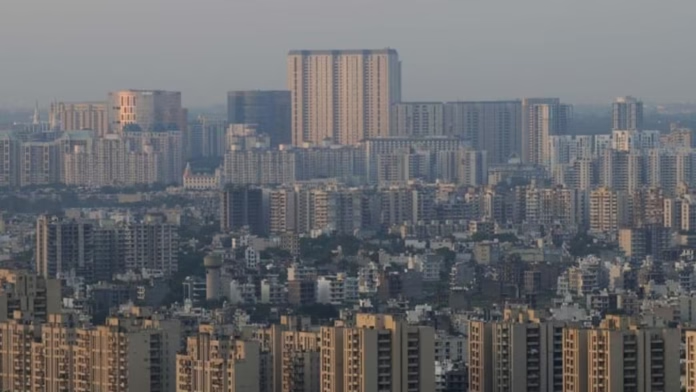
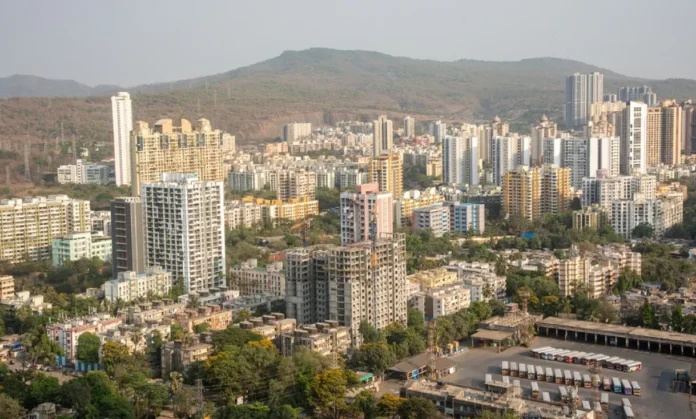
Borivali, once considered a far-flung suburb of Mumbai, has rapidly transformed into a vibrant hub for high-value residential transactions. With its strategic location, improved connectivity, and an influx of premium housing projects, this northern suburb is attracting homebuyers and investors alike. Over the past year, the area has witnessed a 30% increase in residential deals, highlighting a shift in buyer preferences towards suburban living. Borivali’s appeal lies in its blend of affordability and modern amenities, offering a compelling alternative to the city’s traditionally expensive real estate markets.

Data from leading real estate consultancies reveals that mid-range and luxury housing projects in Borivali are in high demand, contributing to a surge in property values. Comparatively, Borivali’s price appreciation rate has outpaced other northern suburbs like Kandivali and Malad. Improved connectivity through infrastructure projects like the Metro Line 2A and Western Express Highway has significantly reduced commute times, making Borivali an attractive choice for professionals seeking a suburban lifestyle without compromising on accessibility.

However, this rapid growth brings its own challenges. Urban planners caution against the strain on infrastructure, including road networks, water supply, and waste management. As population density increases, local authorities must address these civic issues to ensure sustainable urban development. Residents have also raised concerns about preserving the area’s green cover amidst the construction boom, urging developers and planners to adopt eco-friendly practices.

From a sustainability perspective, developers in Borivali are gradually incorporating green building techniques, including energy-efficient designs, solar panels, and rainwater harvesting systems. These initiatives not only align with environmental goals but also cater to the growing demand for sustainable living options among urban buyers. As Borivali continues to evolve, its trajectory reflects the potential of suburban hubs to redefine Mumbai’s real estate landscape.
 

Wealthy homebuyers seek bespoke luxury living

    0
    Wealthy homebuyers seek bespoke luxury living
    Wealthy homebuyers seek bespoke luxury living

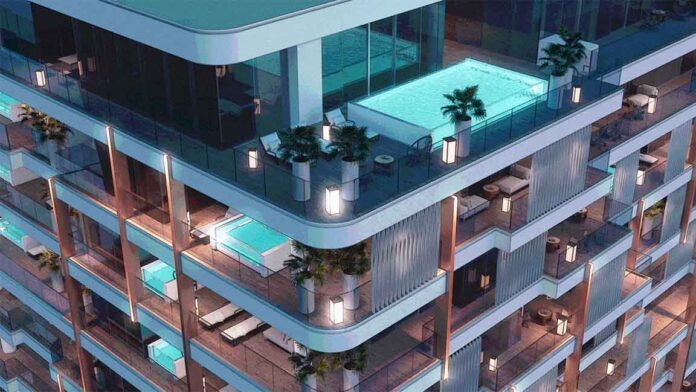
    India’s ultra-wealthy homebuyers are redefining luxury real estate by prioritising limited-edition residences over traditional high-rise condominiums. These exclusive properties, often comprising villas or boutique residences, appeal to affluent buyers seeking privacy, exclusivity, and bespoke living experiences. According to leading real estate reports, the demand for such homes has grown by 15% annually over the past five years, with metros like Mumbai, Delhi-NCR, and Bengaluru driving this trend. Unlike towering condominiums, these luxury abodes offer larger living spaces, customisable interiors, and the promise of a unique lifestyle, reflecting the personality and preferences of the owner.

    While high-rise apartments often boast cutting-edge amenities and panoramic city views, they lack the exclusivity offered by bespoke residences. For discerning buyers, privacy is paramount. Limited-edition homes provide gated sanctuaries, often located away from the urban chaos, ensuring a serene living environment. Comparatively, the cost of a bespoke property is significantly higher—by nearly 30%—yet buyers are willing to pay a premium for unparalleled exclusivity and customisation. The trend reflects a global shift among the wealthy, who view these properties as investments that combine luxury with individuality.

    This demand surge, however, raises sustainability concerns. Experts highlight that limited-edition homes often involve extensive land usage, increasing environmental impact. Developers are now integrating eco-friendly practices to counterbalance this, incorporating solar energy, rainwater harvesting, and green building certifications. This transition towards sustainable luxury is not only meeting regulatory requirements but also appealing to environmentally conscious buyers.

    From an urban perspective, the proliferation of such homes also presents challenges. Cities face a delicate balance in managing land allocation, ensuring affordable housing, and addressing civic needs. While these developments contribute to the city’s prestige, urban planners emphasise the need for policies that harmonise exclusivity with inclusivity, promoting equitable and sustainable urban growth.

    Mumbai’s residential real estate sees a 104% investment surge

    Mumbai’s residential real estate sees a 104% investment surge
    Mumbai’s residential real estate sees a 104% investment surge

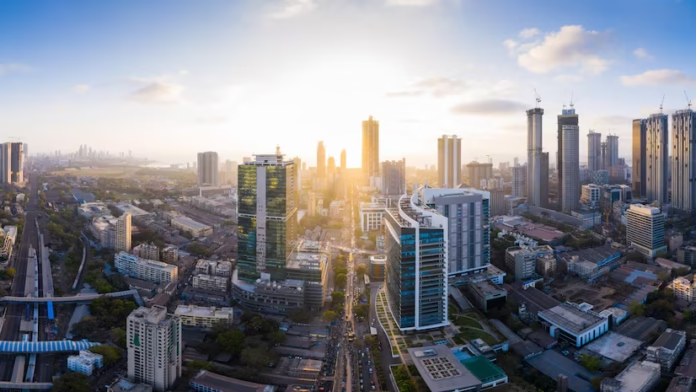
    Mumbai has reaffirmed its position as India’s leading real estate destination, recording an impressive 104% surge in residential real estate investments over the past year. This remarkable growth underscores the city’s resilience and its evolving stature as a global hub for real estate. With a significant increase in the demand for high-end residential projects and sustainable living spaces, Mumbai continues to attract both domestic and international investors. The city’s unmatched connectivity, robust infrastructure, and thriving economic ecosystem remain critical drivers of this resurgence.

    Data reveals that Mumbai accounted for nearly 35% of the total residential real estate investments in India, significantly outpacing other metropolitan cities such as Delhi-NCR and Bengaluru. While cities like Pune and Hyderabad have also reported notable growth, Mumbai’s market remains unparalleled in terms of volume and value. Comparatively, the city’s real estate market has rebounded faster than other metros, reflecting strong consumer confidence and economic recovery. Developers are aligning their projects with buyer preferences, focusing on premium amenities and environmentally conscious designs.

    However, Mumbai’s rapid urbanisation comes with civic challenges. Traffic congestion, overburdened infrastructure, and the perennial issue of housing affordability remain significant concerns. Citizens and urban planners alike emphasise the need for sustainable urban development to balance growth with quality of life. Expanding green spaces, improving public transport, and prioritising waste management are some of the pressing areas requiring immediate attention to sustain the momentum.

    On the sustainability front, Mumbai’s developers are increasingly adopting green building practices, such as energy-efficient designs, rainwater harvesting, and solar energy integration. These efforts resonate with environmentally conscious buyers, creating a model for sustainable urban living. By integrating these practices, Mumbai is not only driving investment but also setting benchmarks for greener and more inclusive urban growth.

    NCR’s real estate sector sees 25% sales growth, spurred by green living, urban planning

    0
    NCR’s real estate sector sees 25% sales growth, spurred by green living, urban planning
    NCR’s real estate sector sees 25% sales growth, spurred by green living, urban planning

    The National Capital Region (NCR) is witnessing a significant resurgence in its real estate sector, driven by robust economic recovery and infrastructural advancements. This revival comes as developers focus on innovative housing solutions to cater to evolving buyer preferences. Data from leading property consultancies reveal that residential property sales surged by over 25% in the past year, reflecting renewed consumer confidence. Additionally, the region’s burgeoning IT and industrial sectors have amplified demand for both residential and commercial spaces, signalling a promising future for real estate in the NCR.

    Urban planners attribute this growth to strategic government policies and infrastructural upgrades. Initiatives such as the expansion of metro networks, seamless connectivity to major hubs, and upcoming projects like Jewar Airport have significantly enhanced NCR’s appeal as an investment destination. Meanwhile, housing projects that incorporate green living standards and smart city concepts are particularly attracting millennial buyers. Comparatively, NCR is narrowing its gap with Mumbai’s real estate market, emerging as a preferred hotspot for affordable luxury housing.

    However, civic challenges persist, including inadequate waste management and erratic water supply, raising questions about the sustainability of this boom. Experts highlight the need for a robust approach to address these concerns. Urban dwellers are increasingly advocating for eco-friendly infrastructure, emphasising sustainable urban planning as the cornerstone of future development. The success of upcoming projects will hinge on integrating these principles to ensure long-term viability.

    From a sustainability perspective, NCR’s real estate market is seeing an encouraging shift. Developers are adopting eco-friendly practices such as solar installations, rainwater harvesting, and energy-efficient designs. These initiatives not only meet regulatory requirements but also resonate with environmentally conscious buyers. The region’s trajectory underscores the importance of balancing growth with green strategies, paving the way for a sustainable urban ecosystem.

    Ventive Hospitality IPO Subscribed 71% on Day 1

      0
      Ventive Hospitality IPO Subscribed 71% on Day 1
      Ventive Hospitality IPO Subscribed 71% on Day 1

      Ventive Hospitality IPO Subscribed 71% on Day 1

      Ventive Hospitality Ltd’s initial public offer (IPO) saw a 71% subscription on its first day of bidding, as investors showed strong interest in the hospitality company’s stock. The IPO, which launched on Friday, received bids for 1,02,39,485 shares, out of the 1,44,34,453 shares on offer, according to data from the National Stock Exchange (NSE).

      The Qualified Institutional Buyers (QIBs) segment was the most oversubscribed, receiving 1.05 times the bids, while the Retail Individual Investors (RIIs) category saw a 61% subscription. Non-Institutional Investors (NIIs) had a slower response, with only 10% of the allotted shares subscribed. Ventive Hospitality, a joint venture between Blackstone and Panchshil Realty, is seeking to raise funds through a fresh issue of equity shares with no offer-for-sale component. The company has already raised Rs 719 crore from anchor investors ahead of the IPO, which is priced between Rs 610-643 per share. The proceeds from the IPO will primarily be used to reduce debt, including the payment of accrued interest. As of September 2024, Ventive’s portfolio includes 11 operational properties across India and the Maldives, with a total of 2,036 keys. The company specializes in luxury and upscale hospitality assets, with properties operated by global brands like Marriott, Hilton, and Minor. The IPO will close on December 24, 2024. The issue is managed by JM Financial, Axis Capital, ICICI Securities, and several other leading book-running managers.

      IFC Invests Rs 630 Crore in NDR InvIT to Boost Sustainable Warehousing

        0
        IFC Invests Rs 630 Crore in NDR InvIT to Boost Sustainable Warehousing
        IFC Invests Rs 630 Crore in NDR InvIT to Boost Sustainable Warehousing

         IFC Invests Rs 630 Crore in NDR InvIT to Boost Sustainable Warehousing

        The International Finance Corporation (IFC) has made a strategic investment of Rs 630 crore (USD 75 million) in NDR InvIT’s first-ever Sustainability Linked Bond (SLB), marking a significant step in promoting sustainable warehousing infrastructure in India. NDR InvIT, sponsored by NDR Warehousing Private Limited, aims to use this investment to improve the climate credentials of existing facilities and expand its warehousing and logistics business.

        This SLB is the first of its kind for a warehousing infrastructure investment trust (InvIT) in India. The bond will facilitate the EDGE (Excellence in Design for Greater Efficiencies) certification for NDR InvIT’s warehouses, a global green building certification system by IFC. It aims to reduce greenhouse gas emissions, lower water consumption, and promote environmental sustainability across the warehousing sector.

        The investment comes at a crucial time, as India’s warehousing sector is expected to experience significant growth, driven by the expansion of e-commerce and manufacturing. Warehouse space in the country is projected to increase from 300 million square feet in FY23 to 500 million square feet by 2030. This growth presents an opportunity for sustainable development in the sector, with IFC’s involvement encouraging other warehouse developers to adopt eco-friendly practices and improve the climate credentials of their properties. Imad Fakhoury, IFC’s Regional Director for South Asia, highlighted the importance of the partnership, stating that the initiative will strengthen market competitiveness, attract global capital, and drive growth in this vital sector. Amrutesh Reddy, Director of NDR InvIT Managers, also emphasized the collaboration’s focus on innovation, sustainability, and economic development in India’s logistics industry. In addition to the financial support, IFC will provide technical assistance to help NDR InvIT meet its Environmental and Social Governance (ESG) targets, further enhancing the sustainability of the Indian warehousing infrastructure.

        Centre and ADB Sign $42 Million Loan for Coastal Protection in Maharashtra

          0
          Centre and ADB Sign $42 Million Loan for Coastal Protection in Maharashtra
          Centre and ADB Sign $42 Million Loan for Coastal Protection in Maharashtra

          Centre and ADB Sign $42 Million Loan for Coastal Protection in Maharashtra

          The Indian government and the Asian Development Bank (ADB) have signed a $42 million loan agreement to bolster coastal and riverbank protection in Maharashtra, aiming to enhance the resilience of local communities and natural ecosystems. The project focuses on combating coastal erosion and protecting livelihoods in Maharashtra’s coastal areas, which are heavily impacted by climate change.

          The loan will support the restoration and stabilization of the state’s coastline, improving resilience against flooding, sea-level rise, and extreme weather events. It will implement innovative hybrid approaches to coastal protection, combining offshore reefs, rock protection, and nature-based solutions such as beach and dune nourishment. The project will also utilize advanced technologies, including satellite remote sensing imagery, to better predict climate impacts and improve shoreline management.

          In addition to enhancing coastal protection, the project will strengthen the capacity of the Maharashtra Maritime Board in managing coastal infrastructure and planning. A significant component of the project is its focus on gender equality and social inclusion, encouraging the participation of women, youth, and vulnerable groups in disaster preparedness and coastal management. This initiative aligns with ADB’s earlier investments in Maharashtra and is expected to boost vital local industries like tourism and fishing, which suffer from coastal erosion and poor management. By strengthening coastal resilience, the project aims to secure the livelihoods of communities in the region while supporting the state’s environmental sustainability goals. In related news, ADB has also committed $200 million to accelerate Phase II of the Nagpur Metro Rail Project, a significant development expected to enhance infrastructure and connectivity in Nagpur.

          CCI Approves UltraTech’s Acquisition of India Cements Stake

          CCI Approves UltraTech's Acquisition of India Cements Stake
          CCI Approves UltraTech's Acquisition of India Cements Stake

          CCI Approves UltraTech’s Acquisition of India Cements Stake

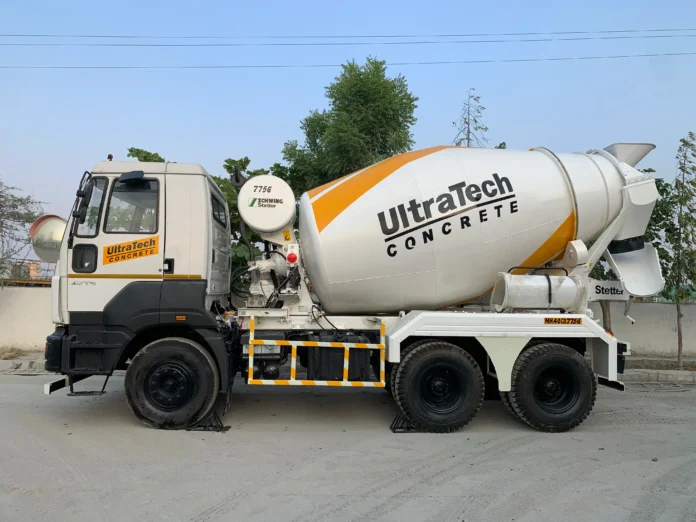
          The Competition Commission of India (CCI) has granted approval for UltraTech Cement’s acquisition of a significant stake in India Cements. The deal, which was notified on December 21, 2024, will see UltraTech Cement acquire 32.7% of India Cements’ paid-up equity share capital from the company’s promoters, including members of the promoter group and Sri Saradha Logistics. In addition, UltraTech will make an open offer to acquire up to 26% more of India Cements’ shares.

          The approval follows a notice issued by CCI earlier in December 2024, as part of the mandatory investigation process for corporate combinations under the Competition Act of 2002. UltraTech Cement’s move to acquire India Cements comes after a July 2024 agreement with India Cements’ vice-chairman and managing director, N Srinivasan, and his family, to buy their cement business for Rs 3,954 crore. This acquisition strengthens UltraTech’s position as a dominant player in India’s building materials sector. The deal was subject to several regulatory approvals, including that of the CCI, and now moves forward as UltraTech Cement seeks to expand its footprint in the cement industry. The strategic acquisition is expected to consolidate UltraTech’s market presence, allowing the company to leverage India Cements’ established operations and customer base. This approval marks a significant development in the competitive landscape of India’s cement industry, as UltraTech Cement continues to pursue growth through acquisitions.

          India Launches Safeguard Probe into Steel Imports to Protect Domestic Industry

          0
          India Launches Safeguard Probe into Steel Imports to Protect Domestic Industry
          India Launches Safeguard Probe into Steel Imports to Protect Domestic Industry

          India Launches Safeguard Probe into Steel Imports to Protect Domestic Industry

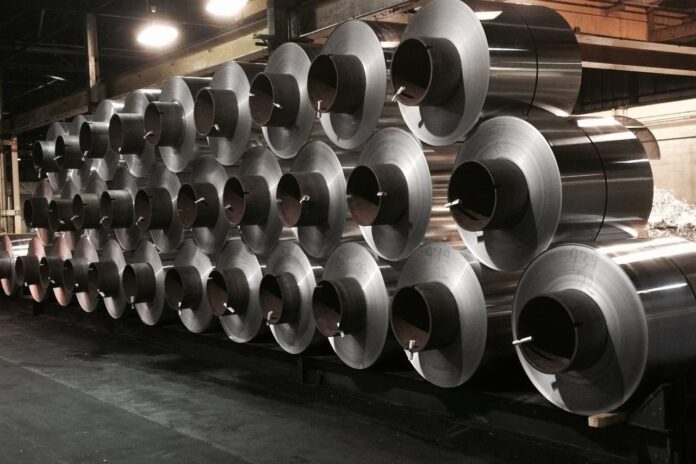
          India has initiated a safeguard probe into the growing imports of Non-Alloy and Alloy Steel Flat Products, following concerns raised by the Indian Steel Association (ISA). The Directorate General of Trade Remedies (DGTR) officially launched the investigation after the ISA, representing major steel companies like ArcelorMittal Nippon Steel India, JSW Steel, and Steel Authority of India, filed an application requesting the imposition of a safeguard duty on these imports.

          The products under scrutiny include hot-rolled coils, sheets, plates, cold-rolled coils, sheets, metallic-coated steel, and color-coated steel sheets. These steel products are widely used in industries such as fabrication, construction, pipe-making, automobiles, bicycles, and electrical panels. The ISA claims that a significant rise in steel imports, particularly from countries with excess production capacities, has caused considerable harm to domestic producers. The probe comes at a time when India’s steel imports have surged dramatically, more than doubling to $18.6 billion in the fiscal year 2024. This surge is largely driven by the demand for steel products not widely produced within India, such as flat-rolled and specialty steels, which are critical for advanced sectors like defense, aerospace, and heavy machinery. The increasing influx of cheaper steel imports has raised alarms over the survival of India’s steel manufacturers.

          The investigation will focus on import data from October 2023 to September 2024, while also reviewing trends from 2021 to 2024. The government is concerned about the impact of overcapacity in China, cheap imports, and potential tariffs from the US on steel products. Earlier discussions have suggested imposing a 20% safeguard duty to protect the domestic industry from these challenges. However, certain steel products like cold-rolled grain-oriented electrical steel, stainless steel, and tinplate have been excluded from the investigation. The final outcome of the probe could lead to protective tariffs on steel imports, helping to safeguard India’s steel industry and maintain fair competition for domestic producers. This move highlights India’s growing efforts to shield its industries from unfair trade practices while ensuring sustainable growth in the steel sector. As the probe continues, the government’s response will play a crucial role in balancing trade relationships and protecting local manufacturing.

          World Bank Approves $800 Million for Amaravati’s Urban Development

            0
            World Bank Approves $800 Million for Amaravati's Urban Development
            World Bank Approves $800 Million for Amaravati's Urban Development

            World Bank Approves $800 Million for Amaravati’s Urban Development

            The World Bank has approved an $800 million loan to support the development of Amaravati, a new city in Andhra Pradesh that is set to become a key economic and cultural hub. Located on India’s east coast, Amaravati is being developed as a well-connected metropolitan region, encompassing Vijayawada and Guntur. The city’s growth plan includes a vision for a population of 3.5 million people by 2050, underscoring the ambitious nature of the project.

            This significant loan, part of the Amaravati Integrated Urban Development Program, aims to establish the city as a model of sustainable and climate-resilient urban development. As part of this initiative, the World Bank will bring its global expertise in urban planning to design critical infrastructure that will shape Amaravati into an economically thriving city. With India’s urban population expected to double by 2050, the project seeks to demonstrate how cities can grow sustainably while meeting the demands of a rapidly urbanising population. Amaravati is currently home to around 100,000 residents, but its population is expected to increase significantly in the coming years. The planned infrastructure includes roads, public transport, flood-mitigation systems, and water/wastewater management. These developments are crucial for ensuring the city’s livability and resilience to climate challenges.

            The World Bank’s loan will also help attract over $600 million in private-sector investment, ensuring the financial sustainability of the city in the long term. In addition to infrastructure, the project will focus on building the city’s institutional framework, laying the foundation for future growth and economic opportunities. The financing marks a critical step towards transforming Amaravati into a thriving economic hub and a symbol of India’s vision for modern, sustainable cities. With the combined support of the World Bank and the Asian Development Bank, Amaravati is poised to become a model for urban development in India and beyond