Delhi Plans Eco-Friendly Cableways Over Yamuna to Enhance Transport and Tourism
Delhi’s Lieutenant Governor, V. K. Saxena, has directed the Delhi Development Authority (DDA) to begin surveying potential sites for the construction of eco-friendly cableways across the Yamuna River. This visionary project aims to offer a cleaner, non-polluting transport alternative while improving mobility and promoting tourism in the city.
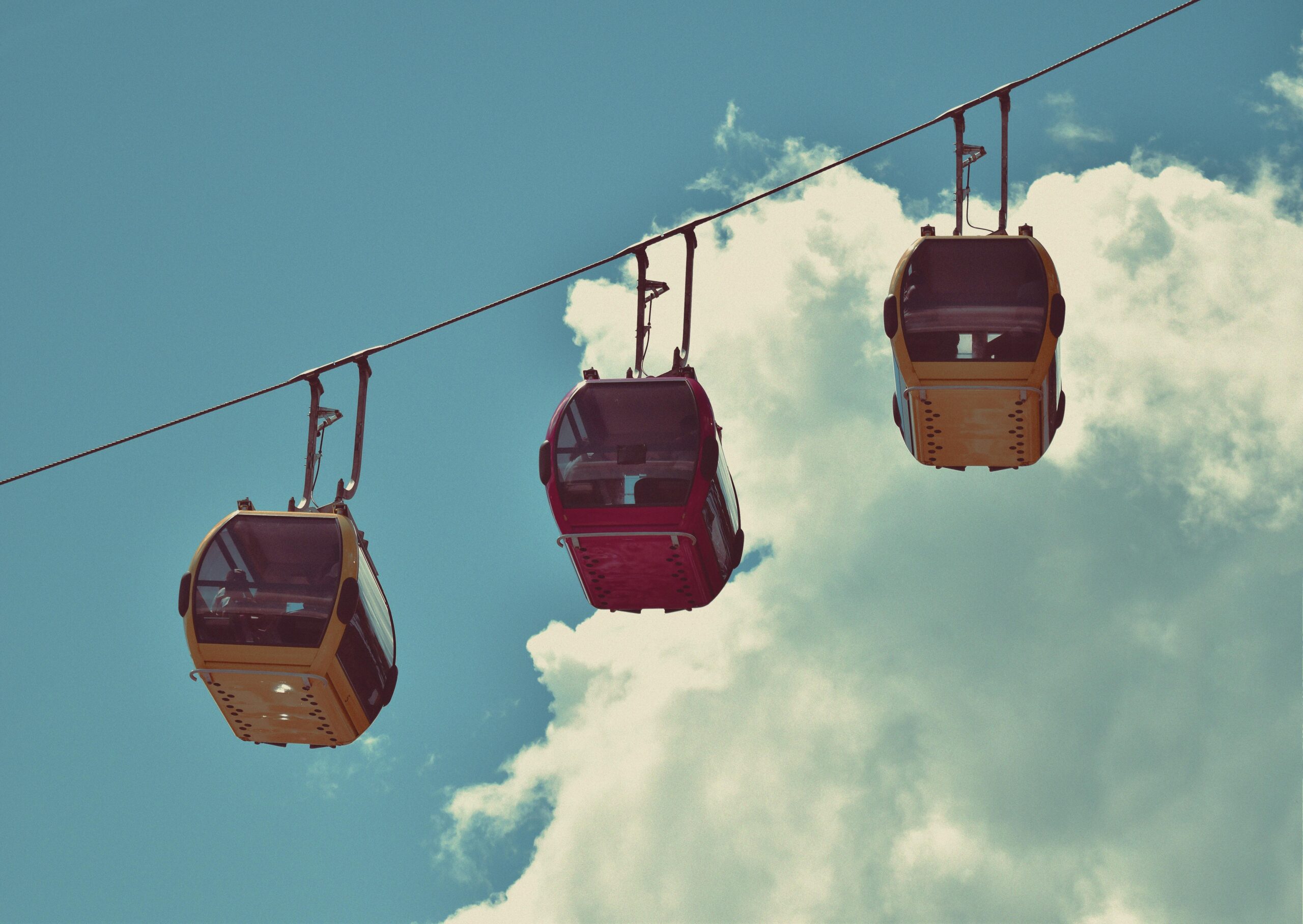
The proposed cableway system will feature cable cars designed to carry up to 50 passengers each, operating from early morning to late evening. Strategically located near existing metro stations, the cableways will offer seamless connectivity between key locations on both sides of the river. This integration will ensure that the system complements the city’s existing public transport network, offering a faster, more convenient way to travel across the city. By offering a transport solution that avoids reliance on polluting vehicles such as buses, autos, and private cars, the project is expected to reduce road congestion and contribute to improved air quality in Delhi—one of the most polluted cities globally. The cableways aim to ease daily commuting, offering a respite from the city’s notorious traffic jams while enhancing overall quality of life for Delhi’s residents.
In addition to easing transportation woes, the cableway system has great potential to boost Delhi’s tourism sector. The cable cars will offer passengers unparalleled scenic views of the Yamuna River and the city’s skyline, making the ride itself a unique experience for both residents and tourists. As Delhi is already a key hub for both domestic and international tourism, this eco-friendly transportation option could add a fresh and attractive layer to the city’s tourism offerings, encouraging visitors to see the city from an entirely new perspective. By providing an exciting and novel experience, the cableway system is likely to become a must-see attraction, drawing more tourists to explore the city’s rich cultural heritage and beautiful landscapes from above.
A key feature of the proposed cableway system is its proximity to metro and bus stations. This strategic location will ensure easy transfer between different modes of transport, making commuting more efficient for both residents and visitors. The cableway is expected to reduce travel times by offering a direct route across the Yamuna, connecting residential areas with commercial hubs in less time. This careful integration of the cableways into Delhi’s existing transport network will also provide commuters with more options for travel, promoting a shift towards public transport and reducing the number of private vehicles on the road. The cableway initiative aligns with Delhi’s broader sustainability goals. The project will ensure minimal disruption to the natural environment by carefully planning the locations for the ropeways, avoiding the concretisation of critical floodplains along the Yamuna River. In doing so, the project will preserve Delhi’s green spaces and enhance the city’s ecological balance.
Additionally, the project aims to promote a healthier lifestyle by encouraging walking as part of the travel experience. The integration of green spaces, such as the Baansera and Asita parks, with the cableway system will help create a more sustainable and enjoyable urban environment. Following the Lieutenant Governor’s directive, the DDA has been tasked with submitting a preliminary report within a month to identify potential sites for the cableway installations. The DDA will conduct a thorough survey of the Yamuna’s riverbanks to select locations that can support the construction of the cableways while ensuring minimal environmental impact. The careful planning and sustainable approach to this project are expected to set a precedent for future transport solutions in Delhi. The initiative represents a significant step towards creating a greener, more efficient urban transport system that benefits both locals and visitors. As the project progresses, officials will engage with the public, local businesses, and tourism bodies to gather feedback and ideas, ensuring that the cableway system aligns with the city’s vision for a cleaner, greener, and more connected future.