HomeLatestDharavi Redevelopment Project Targets Rehabilitation Of Nearly 10 Lakh Residents In Mumbai...

Dharavi Redevelopment Project Targets Rehabilitation Of Nearly 10 Lakh Residents In Mumbai Urban Renewal Push

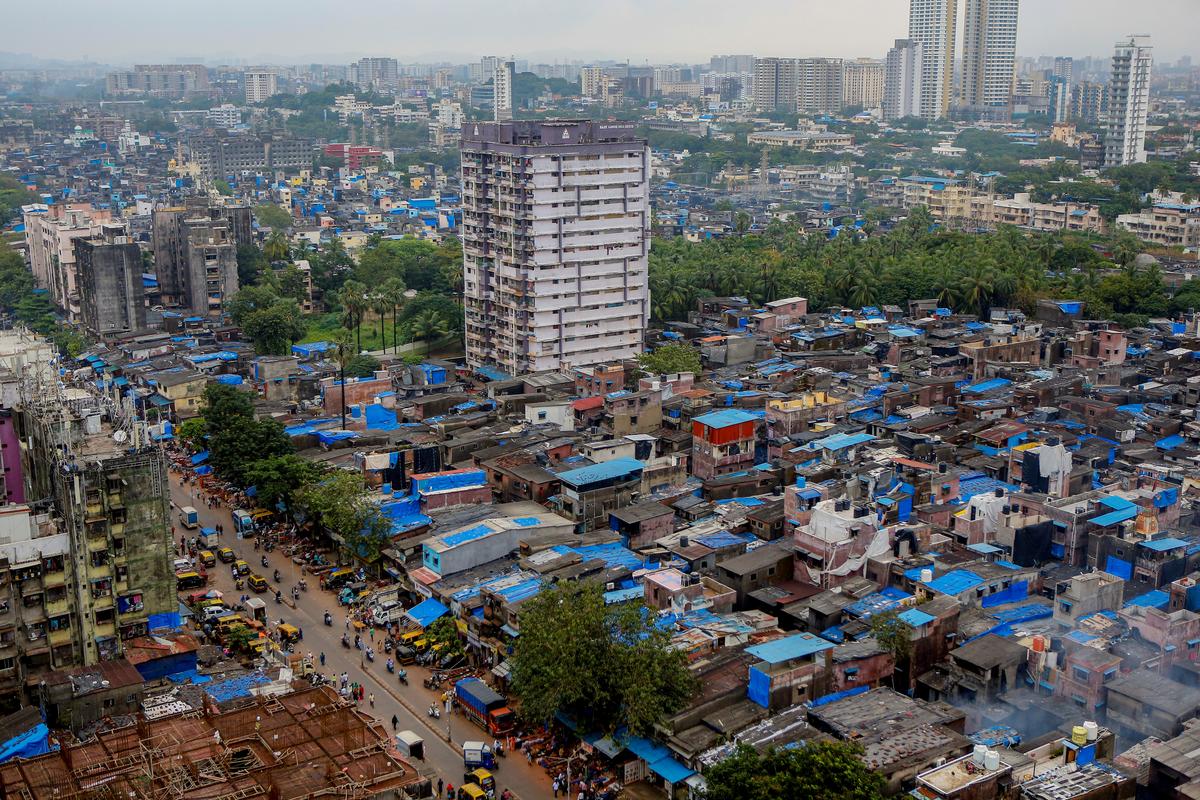
Mumbai’s long-awaited transformation of Dharavi has entered a crucial stage, with redevelopment plans expected to provide formal housing and rehabilitation support to nearly one million residents living across one of Asia’s most densely populated informal settlements. The initiative represents one of the most ambitious urban renewal programmes undertaken in India and carries significant implications for housing policy, land use planning, infrastructure delivery and social inclusion. Spread across hundreds of acres in the heart of Mumbai, Dharavi has for decades functioned as both a residential settlement and an economic ecosystem supporting thousands of small businesses, manufacturing units and informal enterprises. The scale of the proposed Dharavi redevelopment project places it among the largest urban regeneration efforts attempted anywhere in the world.

Publicly available information indicates that authorities and project stakeholders are advancing plans to relocate eligible residents into formal housing while redesigning the area with upgraded infrastructure, roads, utilities and community facilities. The programme is expected to unfold in phases due to its complexity and the sheer number of households and businesses involved. Urban development experts describe the Dharavi redevelopment project as a test case for how Indian cities address informal housing. While the redevelopment offers an opportunity to improve living conditions, sanitation, public health and access to basic services, its long-term success will depend on how effectively residents are integrated into the planning and implementation process.

The project extends beyond housing construction. Dharavi is home to a vast network of micro-enterprises involved in recycling, leather goods, garments, pottery and other economic activities that collectively generate substantial employment. Urban economists argue that redevelopment strategies must preserve livelihood opportunities alongside physical infrastructure improvements. Without careful planning, relocation could disrupt established economic networks that support thousands of families. The initiative also carries important environmental implications. Informal settlements often face heightened vulnerability to flooding, heat stress and inadequate waste management systems. Modernised infrastructure, climate-resilient construction standards and improved public utilities could help reduce environmental risks while strengthening urban resilience in a city increasingly affected by extreme weather events. However, challenges remain significant. Large-scale rehabilitation programmes frequently encounter issues related to eligibility verification, temporary relocation arrangements, financing structures and community acceptance. Urban planners note that maintaining transparency and ensuring equitable treatment of residents will be critical to achieving social legitimacy for a project of this magnitude.

The redevelopment reflects a broader trend in Indian cities where governments are seeking to unlock underutilised urban land while addressing housing shortages and infrastructure deficits. Yet experts caution that redevelopment should not be viewed solely through a real estate lens. The true measure of success lies in whether it improves quality of life, expands economic opportunity and strengthens social cohesion for existing communities. As implementation moves forward, the Dharavi initiative is likely to become a defining reference point for future urban regeneration efforts across India. Its outcome may influence how cities approach informal settlement redevelopment, balancing economic ambition with the need for inclusive, people-centred and climate-resilient urban growth.

Also Read: DLF Advances Next Mumbai Housing Phase With More Than 8 Lakh Sq Ft Of New Supply
Dharavi Redevelopment Project Targets Rehabilitation Of Nearly 10 Lakh Residents In Mumbai Urban Renewal Push 
RELATED ARTICLES

LEAVE A REPLY

Please enter your comment!
Please enter your name here

- Advertisment -spot_img

Most Popular

Recent Comments

Yugen Infra Plans ₹2000 Crore Integrated Township Across 500 Acres Near Goa

Yugen Infra Plans ₹2000 Crore Integrated Township Across 500 Acres Near Goa

A large-scale township planned near Goa is poised to reshape development patterns across a rapidly urbanising section of western India, with an estimated investment...
DLF Advances Next Mumbai Housing Phase With More Than 8 Lakh Sq Ft Of New Supply

DLF Advances Next Mumbai Housing Phase With More Than 8 Lakh Sq Ft Of...

Mumbai's residential property market is poised for another significant addition to its housing inventory, with plans underway for the next phase of a large-scale...
Smartworks Signs ₹35 Crore Managed Office Agreement For More Than 400 Seats In Mumbai

Smartworks Signs ₹35 Crore Managed Office Agreement For More Than 400 Seats In Mumbai

Mumbai’s commercial real estate market continues to witness strong demand for managed workplaces, with a Japanese financial services subsidiary securing more than 400 office...
TCS Commits ₹1420 Crore To Retain 15 Lakh Sq Ft Office Space In Chennai

TCS Commits ₹1420 Crore To Retain 15 Lakh Sq Ft Office Space In Chennai

A significant long-term office leasing commitment in Chennai has reinforced the city's position as one of India's most important technology and business destinations. The...
Arnya Realestate Targets Residential Expansion With ₹1000 Crore Capital Deployment Plan

Arnya Realestate Targets Residential Expansion With ₹1000 Crore Capital Deployment Plan

India’s residential property market is attracting another significant round of private investment, with real estate platform Arnya Realestate announcing plans to deploy more than...