HomeLatestIndia Aluminium Manufacturing Seeks Policy Recalibration

India Aluminium Manufacturing Seeks Policy Recalibration

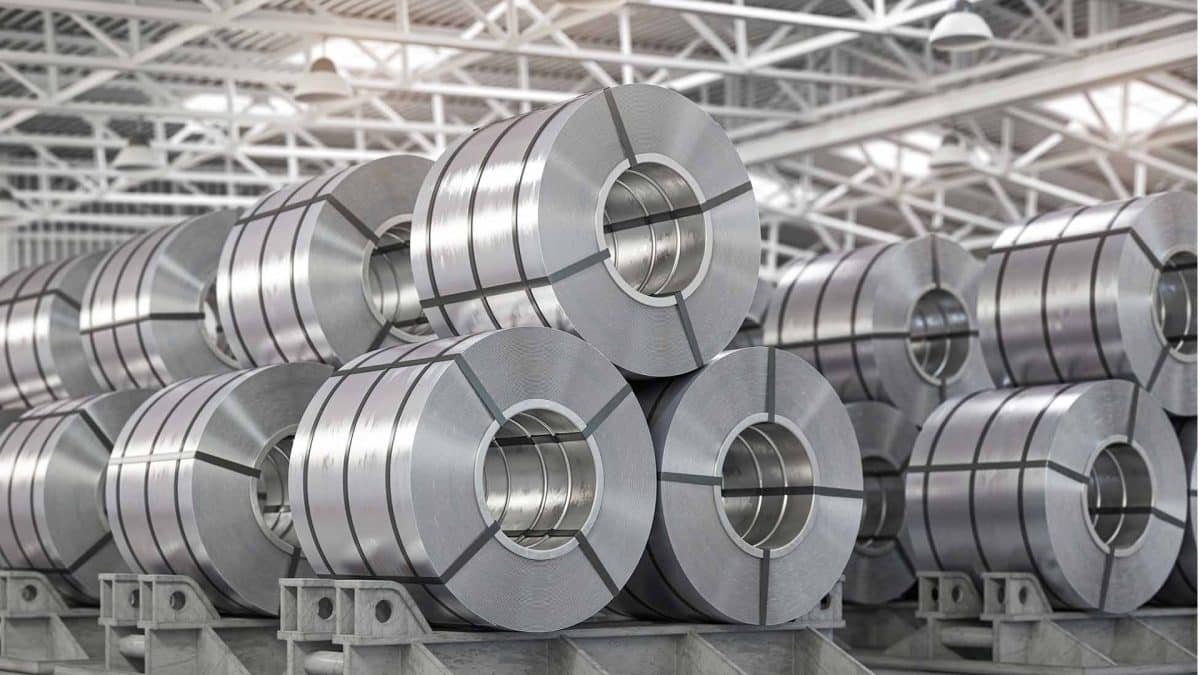
India’s aluminium industry is renewing calls for a review of import duty structures,arguing that current policies may be limiting the growth of domestic value added manufacturing.

The debate centres on whether existing tariff arrangements adequately support downstream industries that convert aluminium into finished products used across construction, transport, renewable energy and consumer sectors.Industry experts suggest that the competitiveness of these manufacturers will play an increasingly important role in determining how much value India captures from its industrial expansion.The future of Aluminium Manufacturing has significant implications for urban development.Aluminium is widely used in modern buildings,public transport systems, electrical infrastructure and clean energy projects because of its lightweight, durable and recyclable properties.As cities invest in sustainable infrastructure and energy efficient construction, demand for aluminium based products is expected to increase steadily.Manufacturers operating within the downstream segment argue that policy adjustments could help improve access to competitively priced raw materials while encouraging greater domestic production of finished goods.Economists note that value-added manufacturing typically generates higher employment, technological capability and export potential than the sale of primary commodities alone.

The discussion around Aluminium Manufacturing also intersects with India’s broader industrial ambitions.Government initiatives aimed at boosting domestic production and reducing import dependence have encouraged investment across multiple sectors.However, analysts caution that achieving these objectives requires balancing the interests of raw material producers, processors and end use industries.Urban planners point out that aluminium has become increasingly important in climate-resilient infrastructure.The material is used in energy-efficient building facades, solar power systems, metro rail projects, electric mobility components and transmission networks. Greater domestic manufacturing capacity could support infrastructure development while reducing supply-chain vulnerabilities associated with imported products.At the same time, environmental considerations remain central to the industry’s future.Aluminium production is energy intensive, making access to cleaner energy sources an important factor in long term competitiveness. Sustainability experts argue that expanding recycling systems and increasing the use of renewable power could help reduce the carbon footprint associated with aluminium manufacturing.

Trade specialists note that global competition is intensifying as countries seek to strengthen strategic manufacturing sectors. Several economies have adjusted industrial policies to support domestic production, making tariff frameworks an increasingly important tool in shaping industrial outcomes.The challenge for policymakers is designing measures that encourage investment without creating inefficiencies that raise costs for downstream industries.For citizens, the issue may appear technical, but its effects can be far-reaching.The availability and affordability of aluminium products influence the cost of housing components, transport systems, energy infrastructure and consumer goods. Stronger manufacturing ecosystems can also contribute to employment generation and regional economic development.As India continues to expand its industrial and infrastructure ambitions, the debate over tariff structures is likely to remain a key policy issue.The outcome could shape how effectively the country develops a competitive, sustainable and higher value aluminium ecosystem capable of supporting future urban growth and economic resilience.

Also Read : Sambhv Steel Tubes Draws Market Focus Ahead
India Aluminium Manufacturing Seeks Policy Recalibration
RELATED ARTICLES

LEAVE A REPLY

Please enter your comment!
Please enter your name here

- Advertisment -spot_img

Most Popular

Recent Comments

ITC Hotels Expands Jaipur Footprint With New Property

ITC Hotels Expands Jaipur Footprint With New Property

Jaipur’s hospitality sector is set to expand further with the addition of a new Welcomhotel-branded property, reflecting growing investor confidence in Rajasthan’s tourism economy...

DS Group Brings W Hotels Brand To NCR

DS Group Brings W Hotels Brand To NCR

The National Capital Region is set to add another internationally recognised luxury hospitality asset as DS Group partners with Marriott International to introduce the...

TDI And Wyndham Expand Hotel Presence In Haryana

TDI And Wyndham Expand Hotel Presence In Haryana

A new branded hotel development planned in Haryana’s Sonipat district is drawing attention to the expanding role of emerging urban centres in North India's...

Tulip Group Charts ₹6000 Crore Development Pipeline Across NCR Markets

Tulip Group Charts ₹6000 Crore Development Pipeline Across NCR Markets

A major expansion plan valued at approximately ₹6,000 crore is set to add fresh momentum to residential and mixed-use real estate activity across the...

Retaggio Industries Acquires Mumbai Property Through Equity Issue

Retaggio Industries Acquires Mumbai Property Through Equity Issue

A Mumbai-based property acquisition valued at ₹10 crore has drawn attention to the increasing role of corporate entities in India's urban land market. The...