HomeLatestTDI And Wyndham Expand Hotel Presence In Haryana

TDI And Wyndham Expand Hotel Presence In Haryana

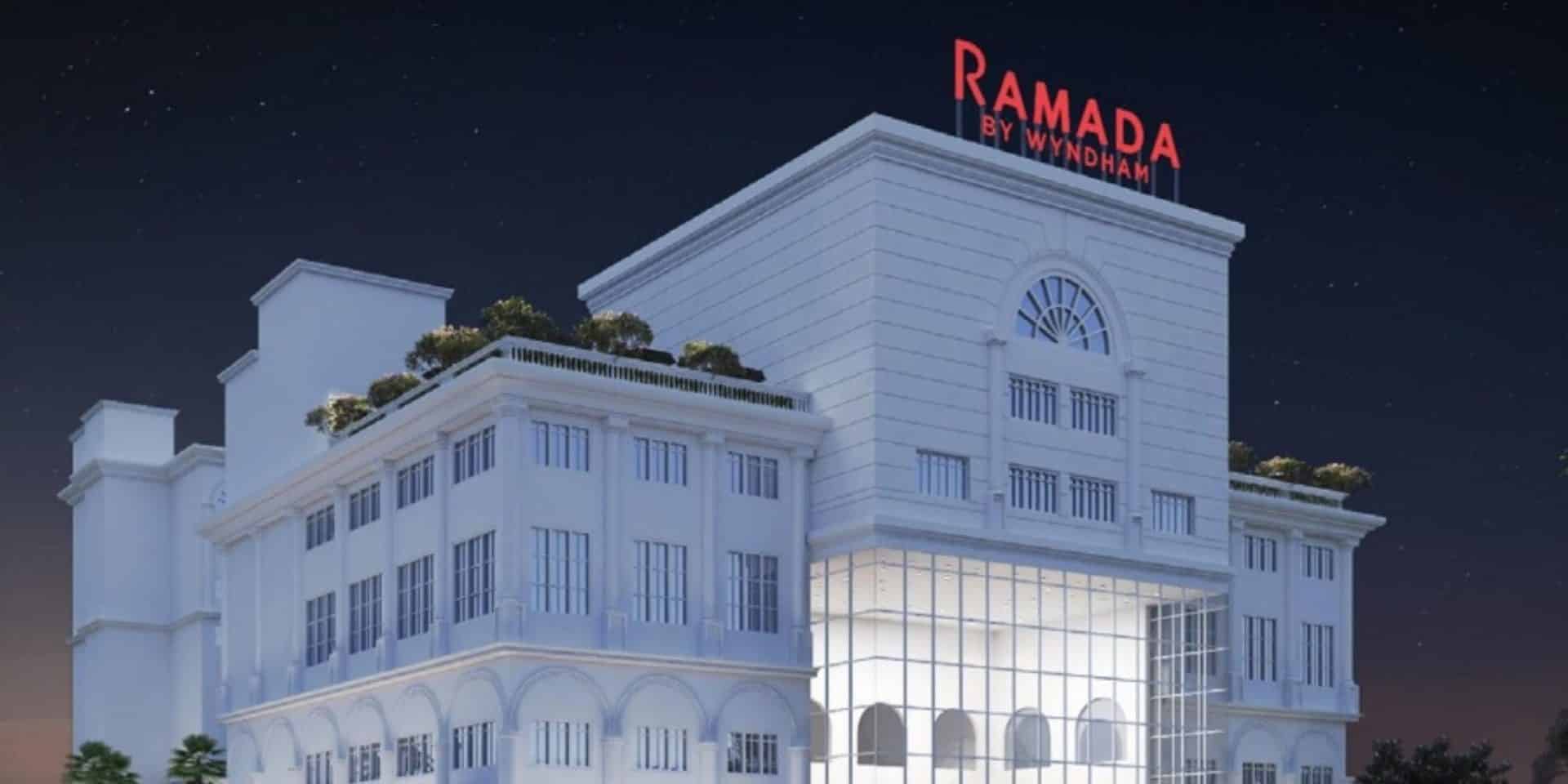
A new branded hotel development planned in Haryana’s Sonipat district is drawing attention to the expanding role of emerging urban centres in North India’s hospitality and tourism landscape. The project, which brings an internationally recognised hotel brand to the Delhi-NCR periphery, reflects growing investor confidence in secondary cities that are increasingly benefiting from improved connectivity, industrial growth and regional travel demand.mThe proposed Wyndham Hotel Development is expected to add organised hospitality capacity within the Sonipat region, an area that has witnessed significant infrastructure and real estate activity over the past decade. Located along key transportation corridors connecting Delhi with Haryana and northern states, Sonipat has gradually evolved from a primarily industrial and educational destination into a broader urban growth centre.

Industry observers note that hospitality investments are increasingly following infrastructure expansion rather than concentrating solely within major metropolitan cores. Improvements in highways, regional mobility networks and economic corridors have enhanced accessibility across northern India, creating opportunities for hotel developments in locations that previously received limited institutional hospitality investment. The Wyndham Hotel Development also reflects changing patterns in business and leisure travel. As industrial parks, logistics hubs, universities and residential townships expand across NCR’s outer regions, demand for accommodation is becoming more geographically dispersed. Hotel operators are responding by exploring locations capable of serving corporate travellers, event visitors and regional tourists outside traditional city-centre markets.

Urban development specialists suggest that hospitality infrastructure plays a broader economic role than accommodation alone. Hotels contribute to local employment generation, support food and service businesses, encourage tourism spending and strengthen a city’s attractiveness for conferences, business meetings and investment activities. In emerging urban centres, such developments can become part of a larger ecosystem supporting economic diversification. For Sonipat, the timing is particularly significant. The district has benefited from infrastructure-led growth through expressway connectivity, industrial development initiatives and increasing integration with the wider NCR economy. These factors have helped create new demand for commercial services, including organised hospitality facilities capable of supporting both business and leisure visitors.

The environmental implications of hospitality expansion are also becoming more relevant. As India’s tourism and hotel sectors grow, planners and sustainability experts increasingly emphasise the importance of energy-efficient buildings, water conservation measures and climate-resilient infrastructure. New hospitality projects are expected to align more closely with environmental performance standards as investors and travellers place greater importance on sustainable operations. Market analysts believe that hospitality growth in secondary urban centres could become a defining trend over the coming decade. Rising domestic travel, improved regional connectivity and the decentralisation of economic activity are encouraging hotel operators to explore opportunities beyond established tourism destinations. The latest project therefore represents more than the addition of new room inventory. It reflects the ongoing transformation of Sonipat within the broader NCR urban network, where infrastructure investment, economic growth and changing mobility patterns are creating new opportunities for hospitality-led development. As construction and planning activities advance, the long-term success of such projects will depend not only on visitor demand but also on how effectively they integrate with local infrastructure, environmental goals and the wider urban development needs of the region.

Also Read: Tulip Group Charts ₹6000 Crore Development Pipeline Across NCR Markets
TDI And Wyndham Expand Hotel Presence In Haryana
RELATED ARTICLES

LEAVE A REPLY

Please enter your comment!
Please enter your name here

- Advertisment -spot_img

Most Popular

Recent Comments

AM NS India Steel Strengthens INS Malvan Fleet

AM NS India Steel Strengthens INS Malvan Fleet

India’s expanding domestic steel manufacturing ecosystem has gained another strategic milestone after AM NS India steel was used in the construction of INS Malvan,...
India Specialty Steel Push Supports Green Infrastructure

India Specialty Steel Push Supports Green Infrastructure

India’s Production Linked Incentive (PLI) programme for speciality steel has attracted investment commitments of ₹26,320 crore, reinforcing the country’s efforts to expand advanced manufacturing...
India Steel Innovation Supports Solar Energy Growth

India Steel Innovation Supports Solar Energy Growth

As India accelerates renewable energy deployment, industry attention is increasingly turning to the quality and durability of steel used in solar installations. Experts believe...
India Balanced Fertiliser Use Gains Policy Focus

India Balanced Fertiliser Use Gains Policy Focus

India is strengthening efforts to promote balanced fertiliser application as policymakers place greater emphasis on improving soil health, enhancing agricultural productivity and reducing the...
Ramco Cements Unlocks Funds Through Asset Sale

Ramco Cements Unlocks Funds Through Asset Sale

Ramco Cements has completed the sale of selected assets valued at ₹25.65 crore, marking another step in its efforts to streamline operations and strengthen...