HomeAluminiumIndia Aluminium Pricing Pressures Hit Manufacturing Growth

India Aluminium Pricing Pressures Hit Manufacturing Growth

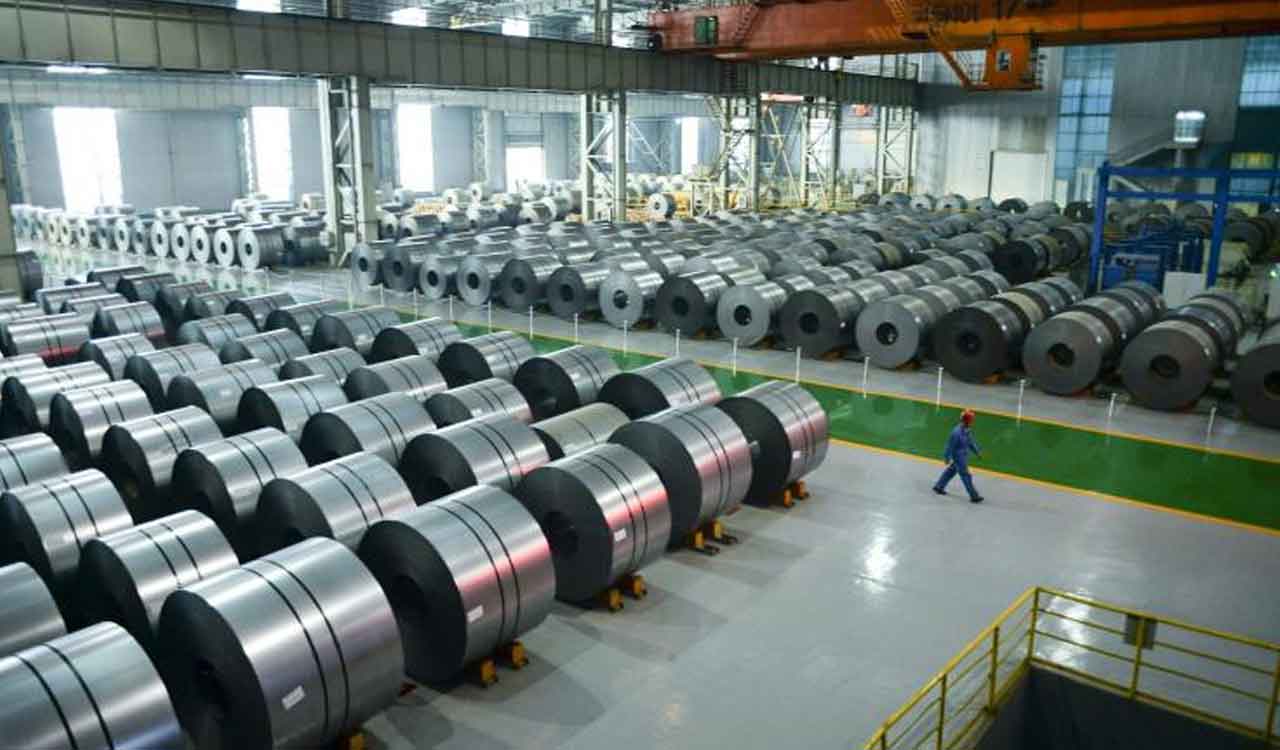
Rising raw material costs linked to import parity pricing are intensifying financial pressure on India’s aluminium-based micro, small and medium enterprises (MSMEs), prompting renewed debate over the competitiveness of domestic manufacturing.Industry stakeholders warn that higher input costs could ripple through construction, infrastructure and urban development projects that rely heavily on fabricated aluminium products.

Manufacturers say the current pricing mechanism, which aligns domestic aluminium prices with international import benchmarks despite substantial domestic production capacity, is widening the cost gap for downstream industries. Fabricators supplying products such as doors, windows, façades, electrical components, transport equipment and industrial structures argue that elevated raw material expenses are limiting their ability to compete with imported finished goods.The import parity pricing model has become a focal point for downstream manufacturers, who contend that domestic buyers are paying prices that do not always reflect local production economics. Industry experts believe this creates challenges for thousands of MSMEs operating on thin margins, particularly as energy, logistics and financing costs remain elevated.The implications extend well beyond the metals sector.

Aluminium is increasingly used in urban infrastructure because of its light weight, corrosion resistance and recyclability. It plays a significant role in metro rail systems, airports, commercial buildings, renewable energy installations and energy-efficient building envelopes. Higher material costs could therefore influence project budgets, procurement decisions and the affordability of sustainable construction solutions.Economists note that MSMEs form a critical part of India’s manufacturing ecosystem, generating employment while supplying components to larger industrial and infrastructure projects. When raw material prices rise faster than finished product prices, smaller firms often struggle to absorb the difference, reducing investment capacity and limiting technology upgrades. This can weaken domestic value addition at a time when policymakers are seeking stronger manufacturing growth through initiatives aimed at boosting industrial competitiveness.The debate over import parity pricing also intersects with India’s broader sustainability objectives. Urban planners increasingly advocate the use of recyclable materials such as aluminium to reduce the environmental footprint of buildings and public infrastructure. However, if pricing structures discourage domestic fabrication or increase project costs, adoption of advanced and resource-efficient materials could slow, particularly in affordable housing and public infrastructure developments operating under fixed budgets.

Policy analysts suggest that striking a balance between protecting primary metal producers and ensuring competitive access to raw materials for downstream industries will remain an important consideration. A resilient aluminium value chain depends not only on upstream production but also on the financial health of processors, fabricators and manufacturers that convert raw metal into products supporting urban growth.Looking ahead, discussions between industry bodies and policymakers are expected to focus on pricing transparency, supply chain efficiency and measures that strengthen domestic manufacturing without disrupting investment in primary production. Any policy adjustments could have lasting implications for infrastructure delivery, industrial employment and the affordability of low-carbon construction materials across India’s expanding cities.

Also Read : Indian Metals Ferro Alloys Profit Growth Signals Industrial Momentum
India Aluminium Pricing Pressures Hit Manufacturing Growth
RELATED ARTICLES

LEAVE A REPLY

Please enter your comment!
Please enter your name here

- Advertisment -spot_img

Most Popular

Recent Comments

AM NS India Steel Strengthens INS Malvan Fleet

AM NS India Steel Strengthens INS Malvan Fleet

India’s expanding domestic steel manufacturing ecosystem has gained another strategic milestone after AM NS India steel was used in the construction of INS Malvan,...
India Specialty Steel Push Supports Green Infrastructure

India Specialty Steel Push Supports Green Infrastructure

India’s Production Linked Incentive (PLI) programme for speciality steel has attracted investment commitments of ₹26,320 crore, reinforcing the country’s efforts to expand advanced manufacturing...
India Steel Innovation Supports Solar Energy Growth

India Steel Innovation Supports Solar Energy Growth

As India accelerates renewable energy deployment, industry attention is increasingly turning to the quality and durability of steel used in solar installations. Experts believe...
India Balanced Fertiliser Use Gains Policy Focus

India Balanced Fertiliser Use Gains Policy Focus

India is strengthening efforts to promote balanced fertiliser application as policymakers place greater emphasis on improving soil health, enhancing agricultural productivity and reducing the...
Ramco Cements Unlocks Funds Through Asset Sale

Ramco Cements Unlocks Funds Through Asset Sale

Ramco Cements has completed the sale of selected assets valued at ₹25.65 crore, marking another step in its efforts to streamline operations and strengthen...