HomeLatestIndia Cement Demand Faces Green Building Shift

India Cement Demand Faces Green Building Shift

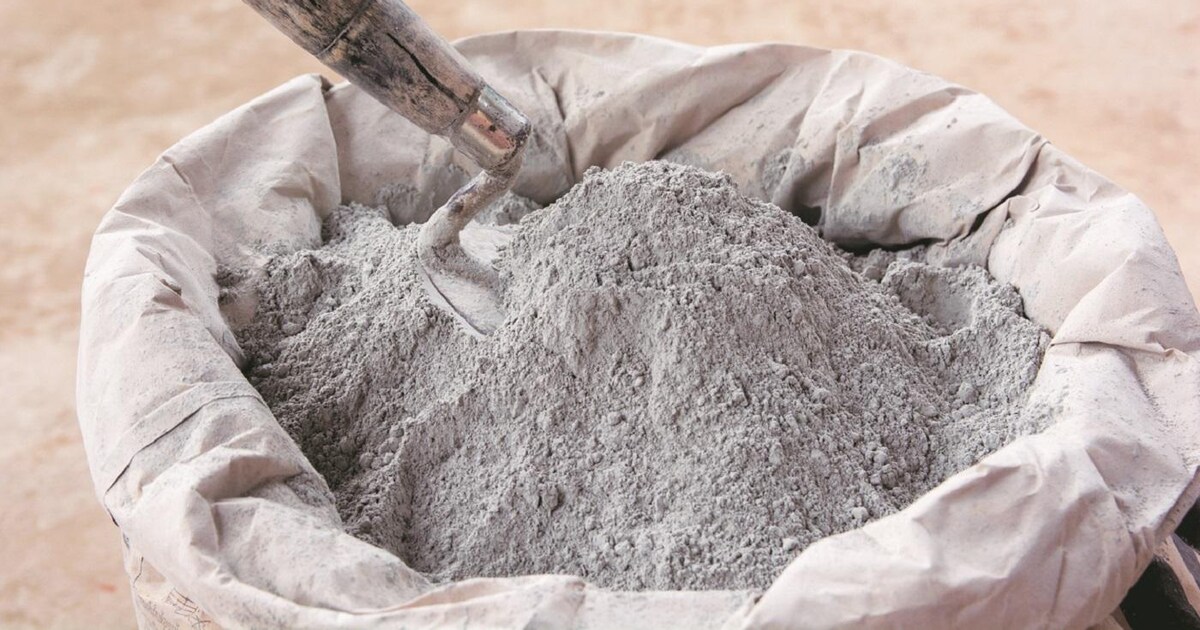
A decades-long assumption that cement demand only rises with urban growth is being challenged as cleaner construction methods, recycled materials and lower-carbon building systems gain ground worldwide. For India, where rapid housing and infrastructure expansion still drives consumption, the shift could reshape how cities build rather than how much they build.

New projections from industry bodies suggest global cement use may flatten or fall over the coming decades as mature economies move from large-scale expansion to refurbishment, retrofitting and more efficient land use. At the same time, climate policy is pushing construction supply chains to cut emissions, placing the spotlight on one of the world’s most carbon-intensive materials. Cement remains central to roads, bridges, metro systems, drainage networks and affordable housing. Yet planners increasingly distinguish between necessary construction and wasteful overbuilding. In many developed markets, ageing cities now require upgrades to existing assets rather than fresh concrete-heavy expansion. That includes transit modernisation, flood defences, insulation retrofits and public realm improvements.The result is a more complex demand cycle. Instead of relentless volume growth, producers may need to supply specialised products such as low carbon cement for resilient infrastructure, heat-resistant pavements and energy-efficient buildings. The low carbon cement segment uses alternative binders, industrial by-products or improved manufacturing methods to reduce emissions compared with conventional blends. 

For India, the picture differs sharply from slower-growth markets. Urbanisation, industrial corridors, logistics parks and mass housing programmes are likely to sustain cement demand for years. However, experts say the next phase of growth will be judged not only by output but by efficiency, lifecycle cost and environmental performance.That could influence everything from municipal procurement to private real estate development. Builders facing tighter water rules, energy standards and financing scrutiny may increasingly favour materials with lower embodied carbon. Public agencies, meanwhile, are under pressure to deliver durable infrastructure that can withstand heatwaves, flooding and heavier rainfall linked to climate stress.Industry estimates indicate large capital spending will be needed to decarbonise kilns, improve energy efficiency and adopt carbon capture or clinker substitutes. These investments may initially raise costs for some producers, but analysts say scale and regulation can narrow the price gap over time. There is also a jobs dimension. Cleaner manufacturing plants, recycling systems and new materials research could create employment in engineering, logistics and waste recovery. Cities that integrate demolition recycling and circular construction models may reduce landfill pressure while lowering demand for virgin raw materials.

The broader message is that cement is unlikely to disappear from urban development. Instead, its role is evolving. For fast-growing economies such as India, success may depend less on pouring more concrete and more on building smarter, cleaner and longer-lasting neighbourhoods, transport links and public assets.

Also Read: India Rolled Steel Surge Signals Global Shift

India Cement Demand Faces Green Building Shift
RELATED ARTICLES

LEAVE A REPLY

Please enter your comment!
Please enter your name here

- Advertisment -spot_img

Most Popular

Recent Comments

Tamil Nadu Fertiliser Prices Raise Rural Concerns

Tamil Nadu Fertiliser Prices Raise Rural Concerns

Farmers across Tamil Nadu are confronting a sharp increase in cultivation expenses ahead of key planting cycles, as rising prices of fertilisers and crop...
Sudarshan Chemical Investor Meeting Signals Industry Focus

Sudarshan Chemical Investor Meeting Signals Industry Focus

A scheduled investor interaction by a major specialty chemicals manufacturer is drawing attention to the growing role of corporate transparency in sectors that supply...
IFA Steels Expansion Signals Construction Shift

IFA Steels Expansion Signals Construction Shift

Eastern India’s construction materials sector is witnessing another capacity addition as IFA Steels increases production of welded wire mesh,a product increasingly used in modern...
India Cement Industry Watches Tax Credit Decision

India Cement Industry Watches Tax Credit Decision

A recent appellate ruling involving a leading cement producer has renewed focus on the role of tax certainty in India’s manufacturing and infrastructure sectors. The...
Coimbatore Raw Material Park Backs Industrial Resilience

Coimbatore Raw Material Park Backs Industrial Resilience

A proposal for a dedicated Raw Material Park in Coimbatore has brought renewed attention to the infrastructure challenges facing India’s manufacturing focused small and...