HomeLatestIndia Cement Output Signals Housing Push

India Cement Output Signals Housing Push

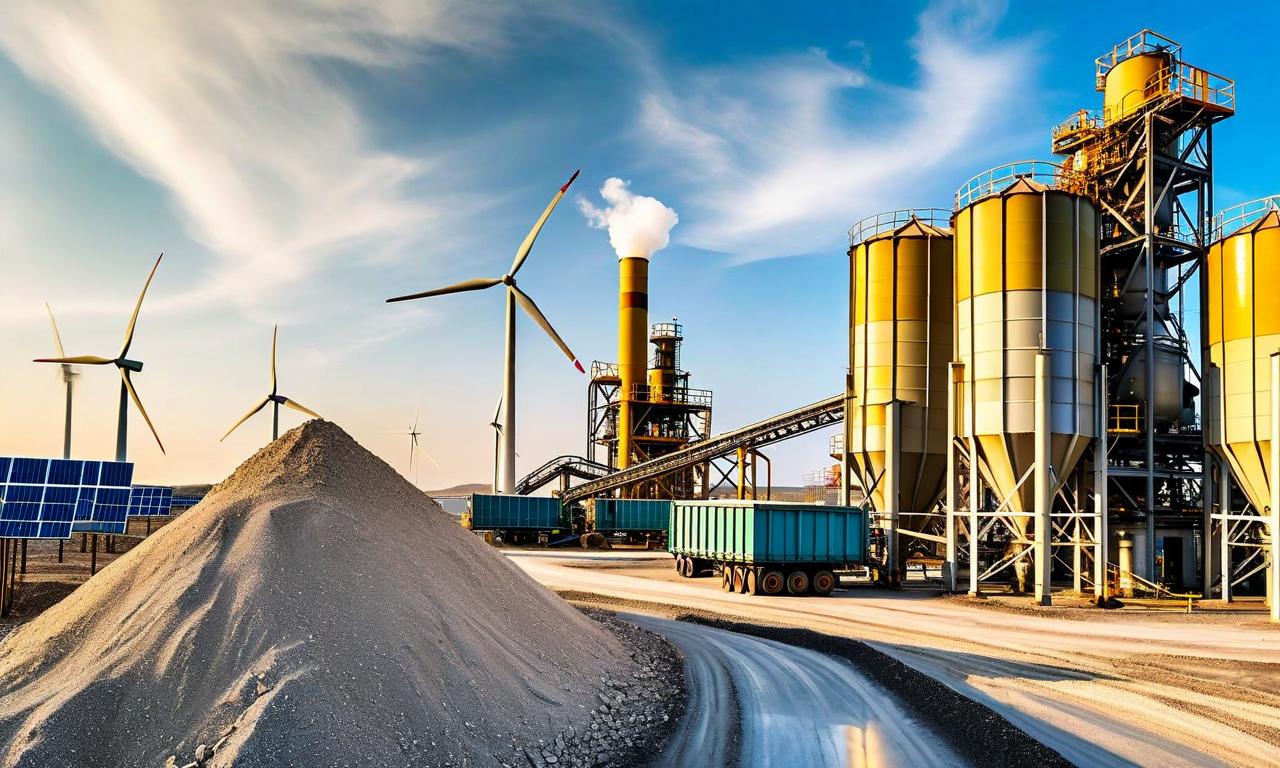
India’s cement production growth accelerated in FY26, with output reaching an estimated 491.4 million metric tonnes, reflecting stronger construction activity across housing, roads and public infrastructure. The rise indicates that building demand is recovering after earlier disruptions and could shape the pace of urban expansion, real estate delivery and public works in the year ahead. 

Industry data shows volumes grew about 8.6 per cent year-on-year, outperforming several earlier forecasts and reinforcing cement’s role as a barometer of economic activity. For cities, the increase suggests momentum in residential launches, transport corridors, warehousing and civic upgrades that depend heavily on bulk building materials. The latest cement production growth has been supported by sustained housing demand, particularly in expanding urban centres where affordable and mid-income homes remain undersupplied. Analysts say public capital expenditure on highways, metro systems, industrial parks and water infrastructure also helped keep utilisation levels firm despite regional variations in demand. Yet rising output also highlights a more difficult policy question: how India builds without locking in higher carbon emissions. Cement manufacturing is one of the most energy-intensive industrial sectors, relying on coal, petcoke and freight networks exposed to fuel-price volatility. Recent market commentary has pointed to pressure from higher energy and transport costs, which could weigh on margins even if demand stays healthy. 

For urban planners, that creates a dual challenge. Cities need large volumes of material for homes, drainage systems, bridges and climate-resilient infrastructure, but they also need lower-emission supply chains. Experts increasingly point to blended cement, waste-heat recovery, cleaner fuels, rail logistics and circular construction practices as critical tools to reduce the environmental cost of growth.Capacity additions by major producers are expected to continue as companies prepare for future demand, particularly in northern and eastern markets where infrastructure and industrial investment pipelines remain active. More supply could improve availability and moderate price spikes during peak construction seasons, a key factor for developers and public agencies working under tight budgets. Still, higher cement output does not automatically translate into better urban outcomes. Faster construction must be matched by stronger building standards, efficient land use and inclusive planning so that growth benefits residents rather than only balance sheets.

Affordable housing delivery, safer public works and resilient neighbourhood design remain the bigger test.With FY27 expected to bring another year of volume gains, the sector’s next phase may depend less on how much cement is sold and more on how intelligently it is used in shaping cleaner, more liveable Indian cities.

Also Read: New Chandigarh Housing Delay Triggers RERA Action

India Cement Output Signals Housing Push
RELATED ARTICLES

LEAVE A REPLY

Please enter your comment!
Please enter your name here

- Advertisment -spot_img

Most Popular

Recent Comments

India Construction Waste Crisis Demands Early Action

India Construction Waste Crisis Demands Early Action

As India accelerates infrastructure delivery and urban expansion,experts are calling for a fundamental shift in how the construction industry addresses material waste. The issue has...
India Construction Growth Climbs Global Rankings Fast

India Construction Growth Climbs Global Rankings Fast

India has strengthened its position as one of the world’s most influential construction markets,with its contribution to global building activity rising sharply amid sustained...
India Infrastructure Push Reshapes Future Urban Networks

India Infrastructure Push Reshapes Future Urban Networks

India is continuing to channel significant public investment into transport networks,industrial capabilities and advanced manufacturing as policymakers seek to sustain economic momentum while preparing...
KD Industries Merger Reflects Circular Economy Push

KD Industries Merger Reflects Circular Economy Push

A proposed corporate restructuring in India’s metal and manufacturing sector is drawing attention to the increasing role of sustainability led business models in industrial...
India Building Sector Adapts To Technology Shift

India Building Sector Adapts To Technology Shift

India’s construction sector is undergoing a significant structural shift as digital technologies, sustainability requirements and changing urban needs reshape how buildings and infrastructure are...