HomeLatestIndia Cement Sector Faces Margin Squeeze Risks

India Cement Sector Faces Margin Squeeze Risks

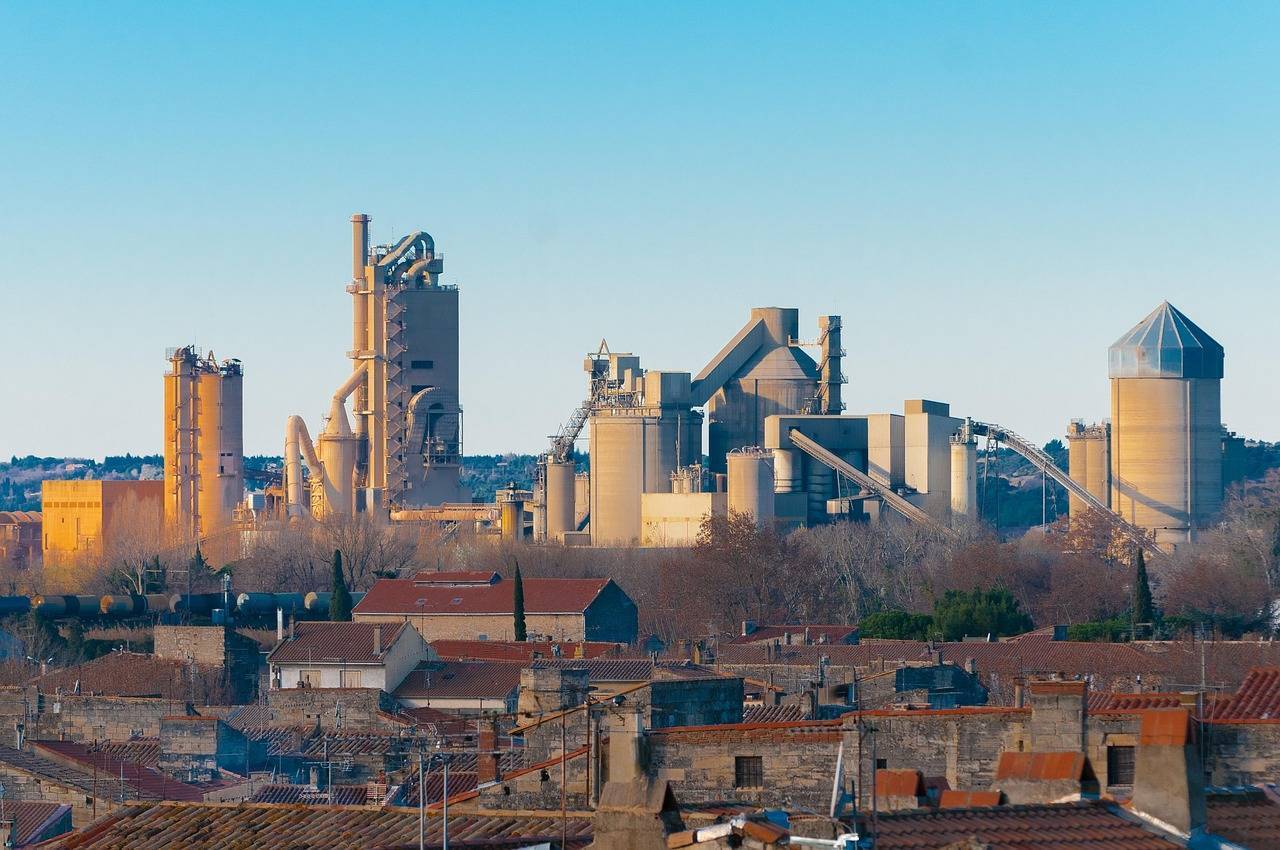
India’s cement industry is entering a phase of operational strain as rising energy costs and the depletion of low-cost fuel inventories begin to weigh on production economics, signalling a potential squeeze on margins across the sector.Industry assessments indicate that the India cement margin squeeze is likely to intensify in the coming months as manufacturers transition from previously secured fuel supplies to higher-priced inputs. Cement production relies heavily on energy-intensive processes, particularly kiln operations powered by coal and pet coke, making it highly sensitive to fluctuations in global fuel markets.

While current output levels remain supported by steady construction activity, cost pressures have been partially masked by inventory buffers accumulated earlier. As these reserves diminish, producers are expected to face a sharper escalation in input costs, typically reflected with a lag of several weeks. This delayed impact could coincide with peak construction cycles, complicating pricing decisions for manufacturers.The India cement margin squeeze is further exacerbated by limited pricing flexibility. Attempts to increase cement prices have been uneven across regions, with resistance from bulk buyers and contractors in price-sensitive markets. In many cases, price adjustments have not sustained long enough to offset rising costs, reflecting the competitive intensity within the sector.For urban development, the implications are significant. Cement remains a critical material for housing, transport infrastructure, and commercial construction. Persistent cost pressures could influence project budgets, potentially affecting timelines or scaling decisions, particularly in affordable housing and public infrastructure projects where cost control is essential.

External factors are adding to the strain. Global trends show continued volatility in fuel prices, alongside logistics and transportation cost increases. Currency fluctuations have also contributed to higher import costs for energy inputs, further tightening operating margins for domestic producers. These pressures underline the sector’s exposure to global supply chain disruptions.Despite these challenges, demand fundamentals remain relatively stable. Government-led infrastructure investment continues to provide a steady base for cement consumption, while rural construction and urban housing demand offer additional support. However, stable demand alone may not be sufficient to absorb rising costs unless accompanied by improved pricing discipline across the industry.Structurally, the sector is navigating a complex balance between expanding capacity and maintaining profitability. Ongoing capacity additions by major manufacturers are expected to increase supply availability, which could limit the ability to pass on cost increases in the short term. This dynamic may prolong the period of margin compression.Looking ahead, industry stakeholders are likely to focus on improving operational efficiency and reducing cost volatility. Measures such as increased use of alternative fuels, waste heat recovery systems, and optimised logistics could help mitigate long-term risks. These strategies also align with the broader push towards more sustainable and climate-resilient construction practices.

As India’s urbanisation continues, the resilience of the cement supply chain will play a critical role in supporting infrastructure growth. Managing cost pressures while maintaining supply stability will be key to ensuring that the next phase of city-building remains both economically viable and environmentally responsible.

Also Read: JPMorgan India Cement Demand Outlook Raises Concerns

India Cement Sector Faces Margin Squeeze Risks
RELATED ARTICLES

LEAVE A REPLY

Please enter your comment!
Please enter your name here

- Advertisment -spot_img

Most Popular

Recent Comments

India Decarbonisation Efforts Shift Toward Implementation

India Decarbonisation Efforts Shift Toward Implementation

India’s leading industrial, infrastructure and energy businesses used World Environment Day to outline a fresh round of sustainability targets and decarbonisation measures, signalling a...
Steel Exchange India Signals Debt Discipline Shift

Steel Exchange India Signals Debt Discipline Shift

Steel Exchange India has completed a scheduled interest payment of approximately ₹1.53 crore to holders of its listed non-convertible debentures (NCDs), according to a...
UltraTech Cement Slide Signals Market Caution

UltraTech Cement Slide Signals Market Caution

UltraTech Cement has emerged among a group of major listed companies experiencing consecutive declines in share prices over recent trading sessions, highlighting growing investor...
Andhra Cements Merger Plan Draws Infrastructure Attention

Andhra Cements Merger Plan Draws Infrastructure Attention

A proposed integration between Andhra Cements and Sagar Cements has added momentum to a broader wave of consolidation within India’s cement industry, reflecting changing...
Rathi Steel, Steel Industry, Infrastructure Development, Urban Growth, Sustainable Construction, Climate Resilient Cities, Industrial Manufacturing, Housing Development, Construction Economy, Green Infrastructure, Real Estate Growth, Building Materials Sector

Rathi Steel Growth Outlook Tied To Infrastructure Demand

Fresh disclosures linked to Rathi Steel and Power’s latest quarterly performance have drawn attention to the evolving dynamics of India’s steel and construction materials...