HomeLatestIndia Coal Urea Plan Revives Energy Debate

India Coal Urea Plan Revives Energy Debate

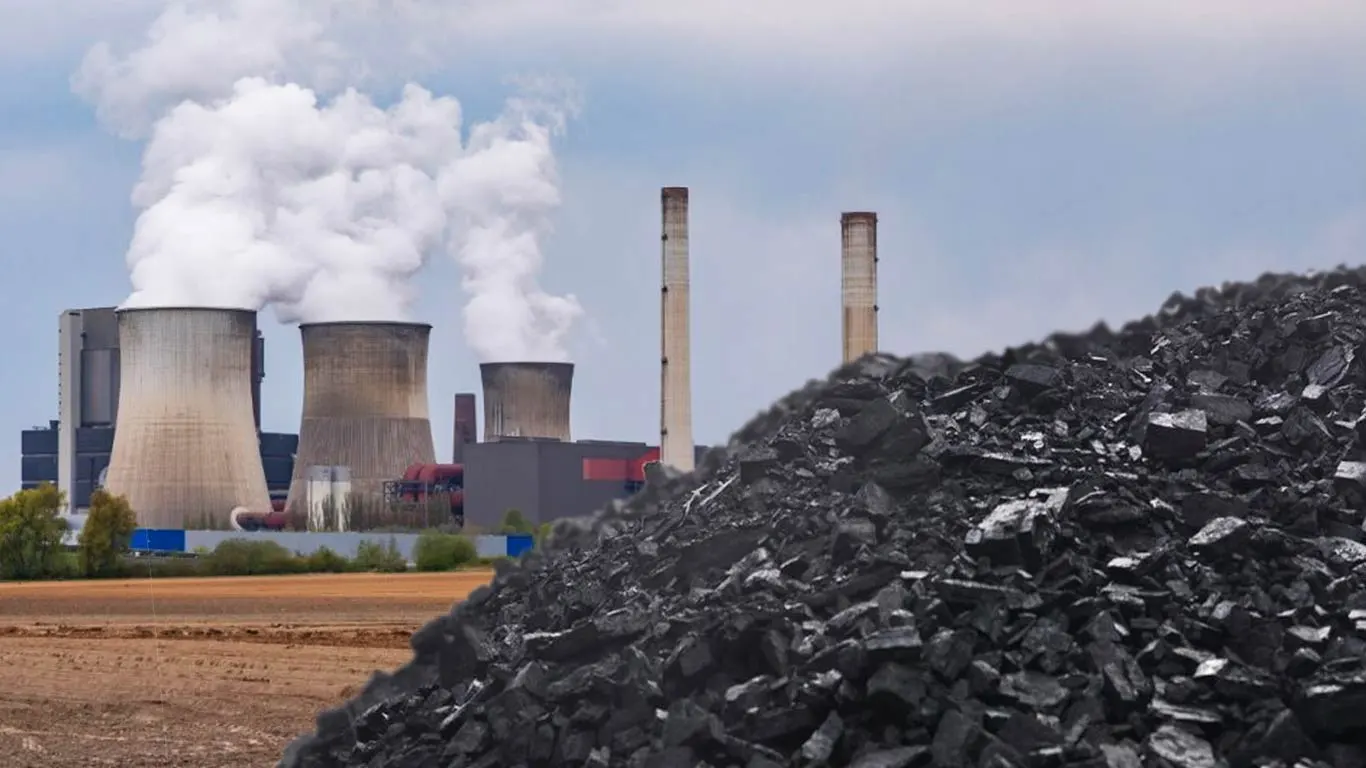
Coal has moved to the centre of a fresh policy debate after New Era Cleantech sought equal treatment for coal-linked urea projects, arguing that India should use domestic fuel reserves to strengthen fertiliser security and reduce dependence on volatile imports.The company is developing a coal gasification complex in Chandrapur, Maharashtra, with plans for a 1.27 million metric tonne annual urea plant. It has requested policy support similar to gas-based fertiliser units, including supply commitments and financial incentives, saying coal-driven projects face higher capital costs despite offering long-term domestic resource advantages. 

The request places coal for fertilizer at the heart of India’s industrial strategy. Coal remains one of the country’s most abundant energy resources and already underpins electricity generation, steelmaking and industrial production. Supporters say extending coal into fertiliser manufacturing through gasification could help India reduce exposure to imported natural gas and global shipping disruptions.That matters because India is one of the world’s largest urea consumers. Domestic demand remains high due to the scale of agriculture, while imports continue to fill supply gaps. When international gas prices surge, fertiliser subsidies can rise sharply, affecting public finances and farm economics. Coal gasification converts coal into synthesis gas, which is then used to manufacture ammonia and urea. Proponents argue that this allows India to monetise domestic coal reserves while creating industrial jobs, transport demand and manufacturing activity in resource-linked districts such as Chandrapur.

Yet coal is also the central challenge in the proposal. Conventional coal use is associated with high carbon emissions, air pollution, ash generation and water stress. Experts say coal-based fertiliser capacity can only be justified if plants meet strict efficiency norms, adopt carbon capture systems and minimise local environmental impacts.New Era Cleantech has publicly linked the Chandrapur project to carbon capture technologies, presenting it as a cleaner industrial model. Total planned investment has been cited at around ₹20,000 crore across phases. The coal for fertiliser debate comes as India simultaneously promotes green hydrogen and green ammonia under its clean energy strategy. That creates a policy crossroads: whether to use coal as a transitional feedstock, move directly to renewable-based systems, or support both pathways for different time horizons.For cities and industrial regions, the outcome matters. New fertiliser plants can generate employment, rail freight demand and local economic activity. But communities increasingly expect cleaner air, responsible water management and visible public benefits from large industrial investments.

Analysts say future incentives should reward outcomes rather than fuels alone. Projects using coal may receive support only if they cut emissions intensity, improve domestic supply resilience and create durable regional jobs.The broader question for policymakers is whether coal can remain economically useful in new sectors without deepening environmental costs. India’s answer may shape both its fertiliser security and its wider industrial transition.

Also Read: MCL Leadership Change Highlights Coal Governance

India Coal Urea Plan Revives Energy Debate
RELATED ARTICLES

LEAVE A REPLY

Please enter your comment!
Please enter your name here

- Advertisment -spot_img

Most Popular

Recent Comments

Zuari Agro Chemicals Faces Softer Quarterly Demand

Zuari Agro Chemicals Faces Softer Quarterly Demand

Zuari Agro Chemicals reported a weaker financial performance for the opening quarter of the financial year, with revenue declining to around ₹6 billion as...
India Steel Strategy Shifts Towards Value Products

India Steel Strategy Shifts Towards Value Products

India’s largest steelmakers are increasingly looking beyond expanding crude steel output and are instead prioritising value added manufacturing to strengthen earnings and improve capital...
Uttar Pradesh Cement Capacity Expansion Supports Infrastructure

Uttar Pradesh Cement Capacity Expansion Supports Infrastructure

India’s cement manufacturing landscape has entered another phase of expansion after Birla Corporation increased its installed cement capacity to 21.4 million tonnes annually following...
India Aluminium Extrusion Demand Drives Urban Growth

India Aluminium Extrusion Demand Drives Urban Growth

India’s aluminium extrusion market is poised for sustained expansion as demand from construction, transport, renewable energy and manufacturing sectors approaches 858,000 tonnes, reinforcing the...
India Steel Sector Gains Investment Grade Recognition

India Steel Sector Gains Investment Grade Recognition

India’s largest steel producer has secured a global investment-grade credit rating from Moody’s, a move expected to strengthen access to international capital as the...