
HomeConstructionIndia Construction Materials Gain Strategic Importance

India Construction Materials Gain Strategic Importance

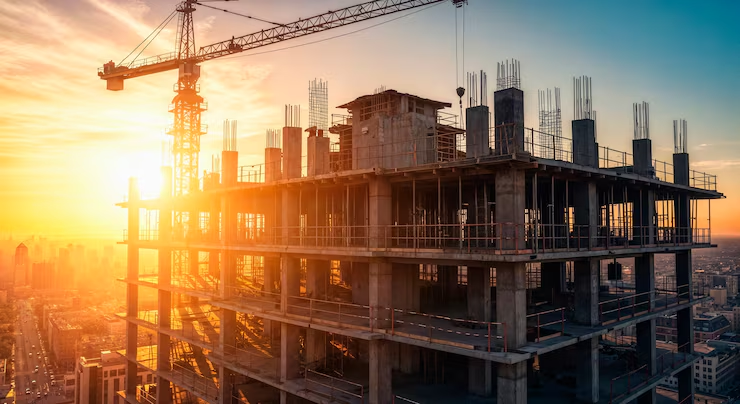
India’s next phase of infrastructure expansion is reinforcing the strategic importance of construction materials, particularly cement, as governments and developers accelerate investments in transport networks, housing, industrial corridors and public utilities.

As the country pursues large-scale urbanisation and economic growth, the availability, affordability and sustainability of building materials are becoming critical policy and planning considerations.From metro rail systems and highways to affordable housing developments and water infrastructure projects, construction activity across India has intensified in recent years. This has strengthened demand for essential inputs that underpin the built environment. Industry assessments indicate that sustained public capital expenditure and private sector investment are expected to keep construction activity elevated over the medium term.The role of infrastructure materials has consequently expanded beyond traditional supply-chain considerations. Urban planners increasingly view material production and consumption as central to the quality, resilience and environmental performance of future cities. Decisions made during the design and construction stages can influence infrastructure durability, maintenance costs and resource use for decades. Experts tracking urban development note that India’s infrastructure agenda is entering a more complex phase. Earlier priorities focused largely on expanding physical assets and improving connectivity.

Today, policymakers are also weighing issues such as climate resilience, resource efficiency and lifecycle emissions. This shift is placing greater scrutiny on the environmental footprint of the materials used to build roads, bridges, transit systems and residential projects.The growing significance of infrastructure materials is also linked to economic competitiveness. Reliable access to construction inputs helps reduce project delays and cost overruns, both of which can affect housing affordability and infrastructure delivery. In rapidly growing cities, fluctuations in material costs often influence the viability of public and private developments, with implications for citizens awaiting better transport services, housing access and civic amenities.At the same time, environmental concerns are reshaping industry priorities. Cement production, while essential for modern infrastructure, remains a significant source of industrial emissions. Researchers and sustainability specialists argue that future growth in the sector will depend on the successful adoption of lower-carbon technologies, renewable energy integration and more efficient manufacturing processes.Several emerging trends are influencing this transition. Increased use of blended cement, recycled construction materials, digital project management systems and circular economy practices are gradually becoming part of mainstream infrastructure planning. These approaches aim to reduce resource consumption while maintaining structural performance and project efficiency.

For urban communities, the outcome of these changes will be measured not only through the number of projects completed but through their long-term value. Infrastructure that is durable, resource-efficient and climate resilient can improve quality of life while reducing future maintenance burdens on public finances.As India continues investing in roads, railways, logistics networks and urban redevelopment, the future of infrastructure materials will remain closely tied to national development goals. The challenge ahead is ensuring that rising construction demand supports economic progress while advancing the transition towards more sustainable and resilient cities.

Also Read : India Metals Sector Gains From Infrastructure Demand
India Construction Materials Gain Strategic Importance
RELATED ARTICLES

LEAVE A REPLY

Please enter your comment!
Please enter your name here

- Advertisment -spot_img

Most Popular

Recent Comments

India Steel Industry Growth Mirrors Development Push

India Steel Industry Growth Mirrors Development Push

India’s steel industry recorded higher output during May 2026, reflecting sustained demand from infrastructure projects, manufacturing activity and urban construction across the country. The...
India Steel Output Rise Reflects Development Momentum

India Steel Output Rise Reflects Development Momentum

India’s crude steel production recorded moderate growth in May, reinforcing signs of continued momentum in infrastructure development, manufacturing expansion and construction activity across the...
India Steel Sector Faces Low Carbon Shift

India Steel Sector Faces Low Carbon Shift

India’s steel sector is entering a critical phase as climate commitments, international trade requirements and domestic sustainability goals place increasing pressure on one of...
UltraTech Global Investors Track India Infrastructure Story

UltraTech Global Investors Track India Infrastructure Story

International investor interest in India’s construction and infrastructure sectors continues to strengthen as the country’s urban expansion, housing demand and public investment programmes create...
India Cement Demand Growth Tests Sustainability Goals

India Cement Demand Growth Tests Sustainability Goals

India’s cement sector is projected to maintain steady growth over the next financial year, supported by continued investment in housing, transport infrastructure and urban...
