HomeLatestIndia Housing Sector Drives Waterproof Joint Systems

India Housing Sector Drives Waterproof Joint Systems

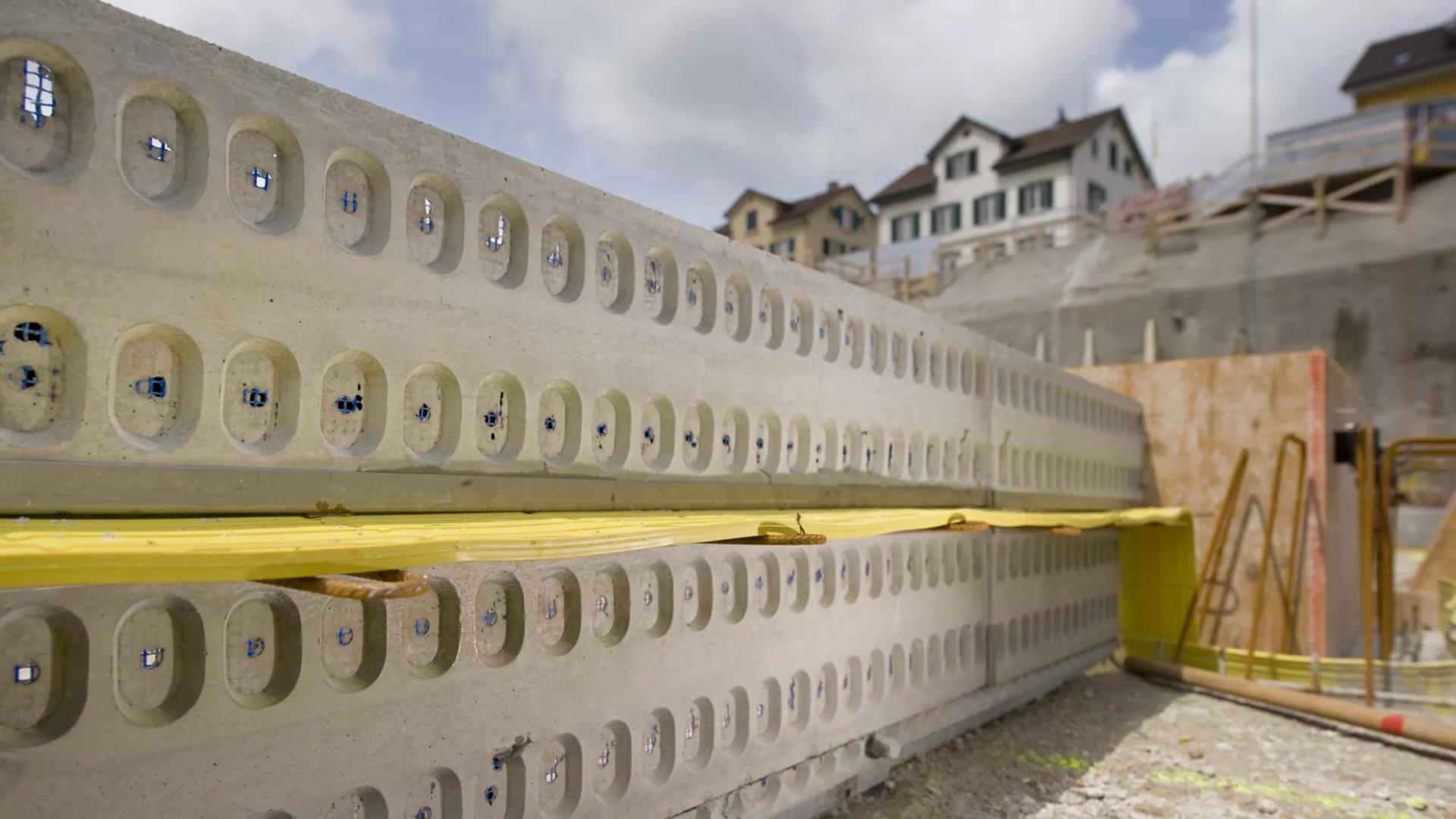
India’s rapidly expanding housing and commercial construction sectors are driving a growing demand for advanced waterproofing solutions as developers seek to protect buildings from moisture damage, structural deterioration and rising climate risks. Analysts say systems designed to seal expansion joints and structural gaps—known as waterproof joint systems—are becoming an increasingly important component of modern building design.

In residential and commercial buildings, waterproofing plays a critical role in protecting foundations, terraces, balconies, basements and façade joints from water infiltration. Without effective joint sealing, water can penetrate structural gaps created by thermal expansion, construction movement or material settlement, gradually weakening concrete and steel elements. The growing recognition of these risks is pushing builders to adopt engineered waterproofing systems rather than relying on basic coatings or sealants.The global market for waterproof joint systems is projected to grow steadily through 2035, supported by rising urban construction, stricter building codes and increased attention to lifecycle durability in buildings. Construction of residential, commercial and institutional structures already accounts for a significant share of demand, particularly through applications such as below-grade waterproofing and building envelope sealing. 

India’s housing expansion is a major driver of this trend. With urbanisation accelerating and millions of new homes required over the next decade, developers are increasingly integrating waterproofing into early construction stages to prevent long-term maintenance problems. Government housing programmes and private real-estate projects have significantly increased demand for waterproofing membranes, sealants and joint protection systems designed to withstand heavy rainfall and groundwater exposure. The need is particularly acute in a country where seasonal monsoons place constant stress on building structures. Water seepage in roofs, terraces, bathrooms and basements remains one of the most common problems reported in residential buildings. Industry specialists say poorly sealed structural joints are often responsible for such failures, allowing water to travel through cracks and construction gaps.

Modern waterproof joint technologies are designed to address these vulnerabilities. Systems now include hydrophilic waterstops that expand on contact with water, pre-compressed seals for façade joints, and flexible polymer-based sealants that accommodate building movement while maintaining watertight barriers. These solutions are increasingly used in high-rise residential towers, basement parking structures and podium decks in urban housing developments.The shift is also linked to broader changes in building regulations and sustainability standards. Green building certifications and energy-efficiency codes increasingly emphasise airtight and watertight building envelopes to improve indoor comfort and reduce long-term repair costs. As a result, joint sealing has become a critical component of integrated air- and water-barrier systems used in contemporary construction. 

India’s construction chemicals and waterproofing sector is already expanding in response to these demands. The domestic waterproofing chemicals market is projected to grow steadily in the coming years as developers prioritise durability and moisture protection in both new construction and building retrofits. Urban planners say the importance of waterproofing will only increase as cities grow denser and buildings become taller. Basement parking levels, underground utilities and podium structures—all common in modern housing complexes—are especially vulnerable to water ingress if joints are not properly sealed.

As India builds millions of new homes over the coming decades, the reliability of waterproof joint systems could become a defining factor in how long these buildings last. For developers and homeowners alike, effective waterproofing is no longer just a finishing detail—it is emerging as a critical element of resilient housing and long-term building performance.

Also Read: India Hindware Expands Smart Bathroom Technology Range

India Housing Sector Drives Waterproof Joint Systems
RELATED ARTICLES

LEAVE A REPLY

Please enter your comment!
Please enter your name here

- Advertisment -spot_img

Most Popular

Recent Comments

L & T Realty Expands Into Gurugram Market

L & T Realty Expands Into Gurugram Market

0
A major land transaction in Gurugram is signalling a fresh phase of high-end housing expansion in the National Capital Region (NCR), as a leading...
India Property Market Steadies As Costs Rise

India Property Market Steadies As Costs Rise

0
India’s real estate sector is entering a phase of moderated expansion after several years of rapid growth, as rising costs, global instability, and cautious...
India Real Estate Sees Smaller Deal Sizes Surge

India Real Estate Sees Smaller Deal Sizes Surge

0
India’s real estate sector entered 2026 with a notable divergence: transaction activity has increased, but the financial scale of those deals has contracted sharply....
Hyderabad Real Estate Pivots To Shadnagar Corridor

Hyderabad Real Estate Pivots To Shadnagar Corridor

0
Hyderabad’s urban footprint is steadily extending southward, with Shadnagar emerging as a focal point for plotted housing developments. This shift reflects changing buyer preferences...
Bengaluru Office Park Deal Reflects Leasing Stability

Bengaluru Office Park Deal Reflects Leasing Stability

0
A significant capital infusion into a large office campus in Bengaluru is reinforcing the city’s position as a magnet for institutional investment in income-generating...