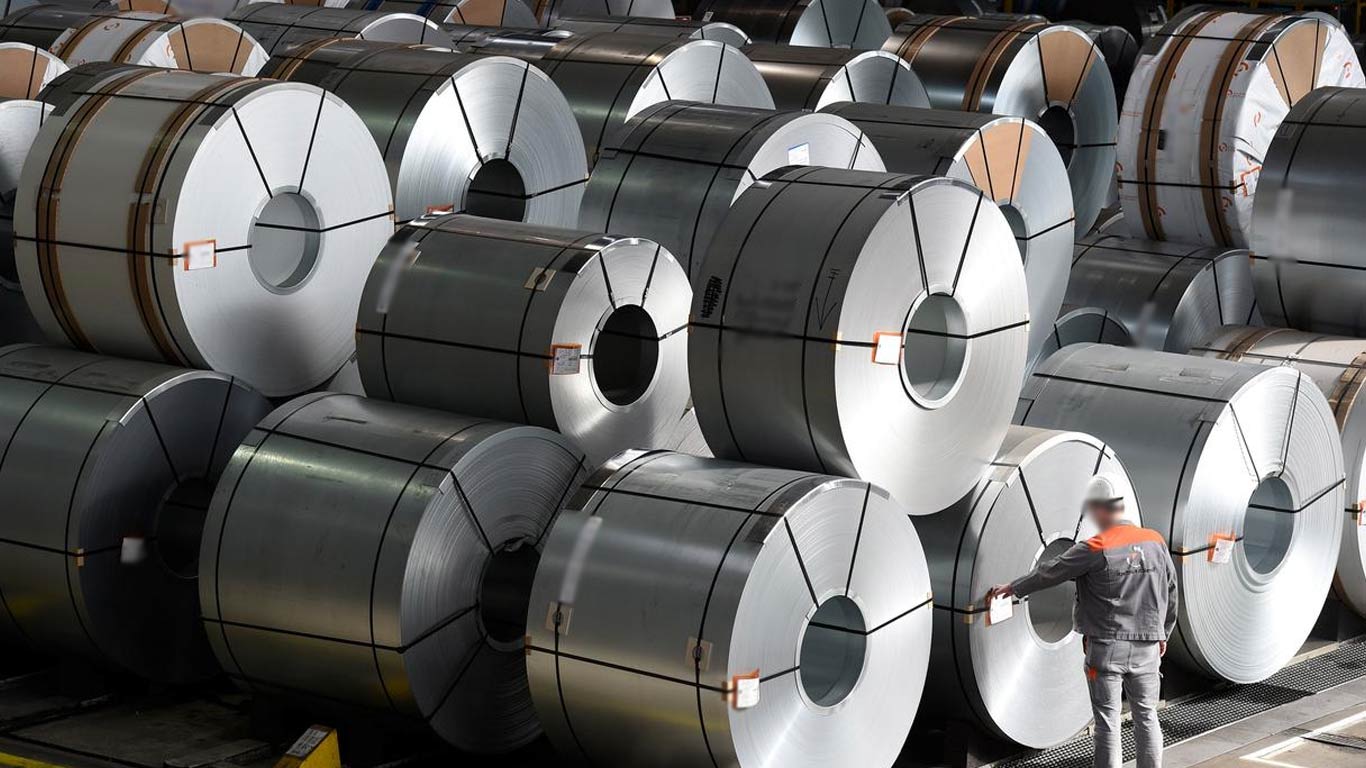
India’s metal-processing exports are gaining traction as global investment in electric vehicles, power grids, renewable energy equipment and industrial electrification increases demand for copper, aluminium and lead-based components. In FY26, exports of aluminium alloys reached $1.29 billion, while insulated copper winding wire and refined lead also recorded strong growth. The shift matters for India because it moves part of the metals trade towards higher-value manufacturing while linking domestic industry more closely with the infrastructure of the global energy transition.
Aluminium alloy exports increased 24% over two years to FY26, according to trade data, with Mexico emerging as the largest destination. Shipments to Southeast Asia also expanded sharply. Exports to Vietnam, for example, rose to $81.6 million in FY26 from $8 million in FY24. The pattern suggests that Indian metal processors are finding opportunities in automotive and manufacturing supply chains rather than relying only on traditional commodity markets.The India metal exports story is particularly relevant to electrification because processed metals sit inside equipment that is often invisible to consumers. Copper winding wire is used in motors, transformers and electrical machinery, while aluminium alloys can reduce weight in vehicles and industrial equipment. Refined lead continues to serve established industrial applications.
As grids expand and transport becomes more electric, demand for these intermediate products can rise even when consumers never directly encounter the materials.Copper presents a more complicated domestic picture. India exported about $2.84 billion of copper and copper articles in 2025, according to World Bank trade data, but the country has also become increasingly dependent on imports of refined copper and related materials. That creates a strategic vulnerability: stronger global demand can improve export opportunities while simultaneously increasing competition for essential inputs at home.Aluminium shows a similar trade opportunity. India exported about $6.79 billion of aluminium and aluminium products in 2025, with the United States, South Korea, Vietnam, China and Japan among major destinations. Yet global metal markets remain exposed to tariffs, energy costs and changing industrial policies. Recent trade measures have demonstrated how quickly access to major markets can become uncertain.For cities, the implications extend beyond export earnings. Electrical conductors, transformers and aluminium components support transmission networks, public transport, renewable-energy installations and increasingly digital infrastructure.
A stronger domestic manufacturing base can improve supply-chain resilience, but only if industrial expansion is supported by reliable power, efficient freight systems and responsible resource management.The India metal exports opportunity therefore needs to be assessed alongside its environmental footprint. Mining, refining and metal processing consume significant energy and resources. Greater recycling, cleaner electricity and more efficient manufacturing could allow India to capture more value from electrification without transferring excessive environmental costs to communities and future infrastructure.The next phase will depend on whether export growth can evolve into durable manufacturing capability. For India, the larger prize is not simply shipping more metal, but building resilient supply chains that support cleaner cities and a more resource-efficient economy.
Also Read : India Steel Sector Faces A Cleaner Growth Test
India Metal Exports Rise With Clean Energy Trade