HomeLatestIndia RERA Faces New Housing Affordability Test

India RERA Faces New Housing Affordability Test

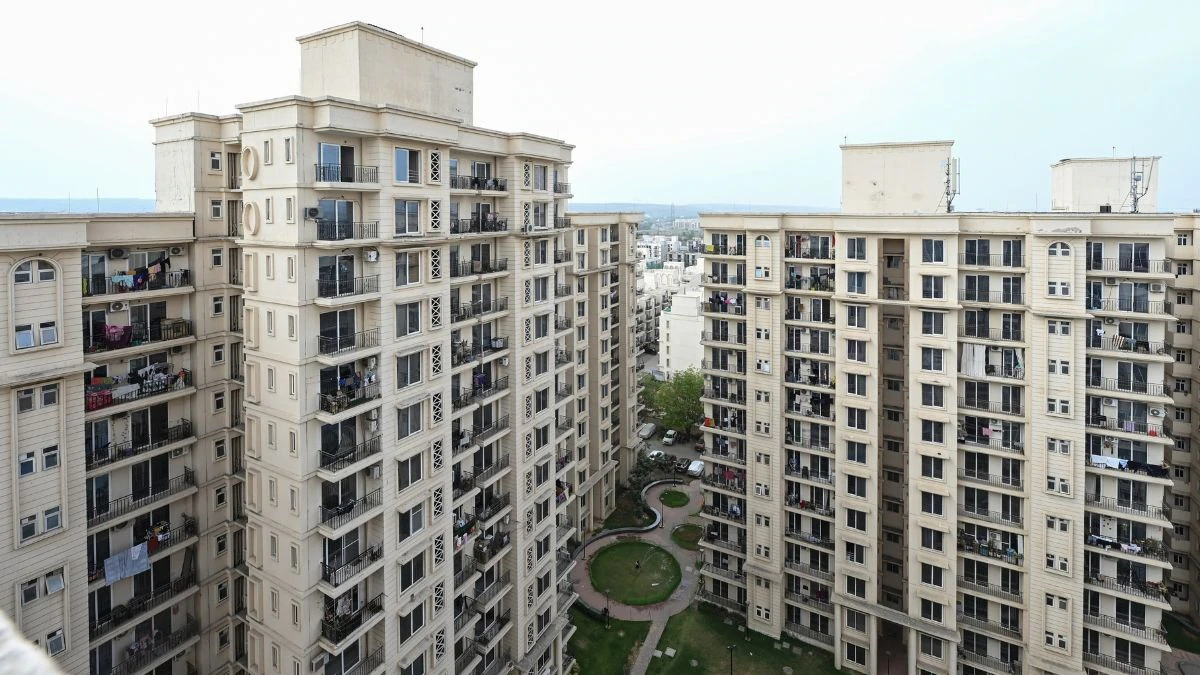
India’s housing market entered the second quarter of 2026 with a sharper divide between new supply, buyer preferences and price growth. Data cited for the April-June period shows residential launches broadly stable across six major metropolitan markets, even as prices climbed in every market. The trend puts affordability, project mix and regulatory transparency back at the centre of the housing debate.

According to the NoBroker data provided for the period, developers launched 79,361 homes across the six markets, marginally above 78,935 units a year earlier. Housing demand was reported to have risen 3% year on year. But the national picture hides major differences: Pune recorded a strong rise in launches, while MMR also expanded supply. Hyderabad, Bengaluru, Chennai and NCR moved in the opposite direction. The more significant shift was visible in prices. Bengaluru recorded the sharpest increase at 16%, taking average values to about ₹11,037 per sq ft. MMR followed with a 14% rise to ₹16,120 per sq ft, while NCR prices increased 13% to ₹12,323 per sq ft. Pune and Hyderabad also recorded double- or high-single-digit annual gains. For households, however, rising prices matter differently from rising launches. A larger number of homes does not automatically mean greater access to housing if much of the new stock is aimed at higher-income buyers.

The reported supply-demand mismatch, particularly around apartment sizes, suggests that developers and buyers are not always looking for the same product. This is where the India RERA framework becomes relevant. RERA requires qualifying real estate projects to be registered with the relevant state regulator before advertising, marketing or selling them. The regulatory system also provides buyers with project-level information that can help them assess delivery and compliance risks. For cities, the issue extends beyond individual transactions. New housing creates additional demand for roads, public transport, water, drainage, waste management and electricity. If development increasingly moves towards larger or premium projects, planners also need to examine whether employment, rental housing and essential services are expanding alongside it.

The India RERA lens therefore goes beyond registration. As prices rise and housing formats change, the next test is whether new development remains transparent, financially accessible and properly integrated with urban infrastructure. The health of the market will increasingly depend not only on how many homes are launched, but on whether those homes match what city residents can afford and need.

Also Read: Bengaluru Office Rents Rise as RERA Rules Matter
India RERA Faces New Housing Affordability Test
RELATED ARTICLES

LEAVE A REPLY

Please enter your comment!
Please enter your name here

- Advertisment -spot_img

Most Popular

Recent Comments

Mumbai Redevelopment Deal Reshapes Chembur Housing

Mumbai Redevelopment Deal Reshapes Chembur Housing

Mumbai’s redevelopment cycle is moving deeper into established neighbourhoods, with a ₹142.72 crore development agreement signed for the renewal of Twinkle Star Co-operative Housing...
Noida Max One Tests Luxury Housing Demand

Noida Max One Tests Luxury Housing Demand

Noida’s premium housing market has crossed another price threshold, with Max Estates reporting sales at ₹37,000 per sq ft, excluding GST, at its Max...
Gurugram Real Estate Shifts Towards Better Urban Living

Gurugram Real Estate Shifts Towards Better Urban Living

Real estate in Gurugram and the wider Delhi NCR is increasingly being judged on how well projects support everyday life, rather than simply on...
Delhi NCR Office Leasing Reshapes Gurugram Noida Growth

Delhi NCR Office Leasing Reshapes Gurugram Noida Growth

Delhi NCR’s office market gained pace in the second quarter of 2026, with leasing reaching 3.55 million sq ft, up 16% from the previous...
India Cities Sustain Property Demand Amid Global Uncertainty

India Cities Sustain Property Demand Amid Global Uncertainty

India’s property market is showing resilience despite the continuing West Asia conflict, with investment flows and housing demand holding up in 2026. The immediate...