HomeLatestIndia Steel Exports Return To Surplus

India Steel Exports Return To Surplus

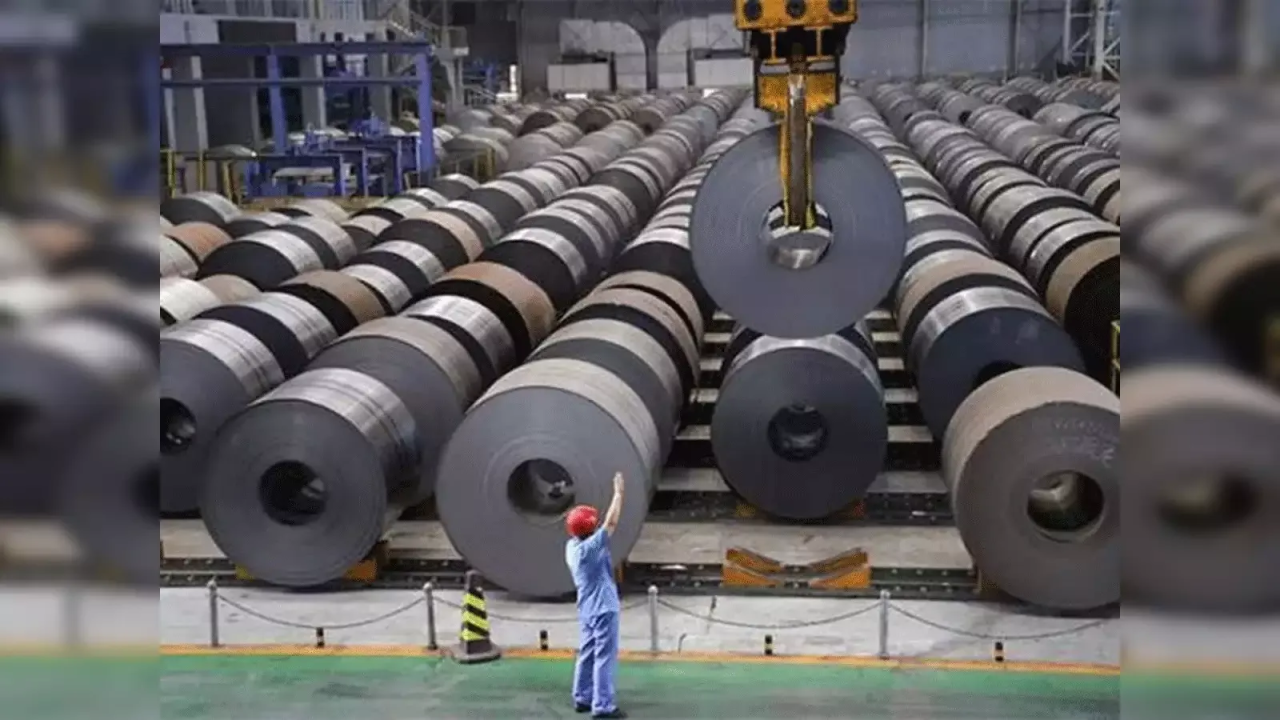
India has regained its position as a net exporter of finished steel in FY26, reversing two years of import-heavy trade flows and signalling stronger competitiveness for one of the country’s most strategic industrial sectors. The shift matters well beyond trade data: steel is a core input for housing, transport systems, renewable energy, manufacturing and urban infrastructure. 

Official data show finished steel exports rose 35.9 per cent during the financial year to about 6.6 million tonnes, while imports fell 31.7 per cent to roughly 6.5 million tonnes. The narrow surplus marks a meaningful turnaround after India remained a net importer in the previous two years. The recovery reflects a combination of stronger overseas demand, broader export destinations and improved domestic production capacity. Indian producers increased shipments to markets including Europe, West Asia and Southeast Asia, helping offset softer conditions in some traditional destinations. At the same time, lower imports suggest domestic mills were better able to meet local requirements. For cities, the implications are direct. Steel demand closely tracks construction activity in bridges, metro systems, warehouses, railways and commercial real estate. A healthier steel sector can support project execution, supply reliability and employment across engineering and fabrication chains. When domestic production strengthens, it can also reduce exposure to volatile imported material costs.India’s broader steel ecosystem also expanded in FY26. Crude steel output climbed 10.7 per cent to around 168.4 million tonnes, while finished steel consumption rose to 164 million tonnes, driven by infrastructure, railways, manufacturing and urbanisation-led demand.

These figures suggest domestic growth remained the primary engine even as exports accelerated. Large producers including SAIL, Tata Steel and JSW Steel continued investing in capacity expansion, technology upgrades and higher-value steel products, according to official statements. Those investments are important if India aims to move beyond volume growth into advanced steel grades used in electric vehicles, clean energy systems and precision manufacturing. Yet the rebound is not without risks. Profitability across the sector remains sensitive to coking coal costs, freight rates and global trade barriers. Export markets in Europe may become more challenging as carbon-linked border rules tighten and safeguard quotas shift. That means maintaining exporter status could depend as much on cleaner production and cost efficiency as on raw output. There is also a climate dimension. Steelmaking is emissions-intensive, and future competitiveness increasingly depends on low-carbon technologies, recycled scrap usage, green hydrogen pilots and renewable power integration. Cities seeking sustainable growth will need more steel, but cleaner steel.

For India, regaining net exporter status is a symbolic milestone. The larger test now is whether the industry can convert this momentum into durable leadership—supplying both domestic urban expansion and global markets without deepening environmental strain

Also Read: AMNS India Leadership Shift Signals Growth

India Steel Exports Return To Surplus
RELATED ARTICLES

LEAVE A REPLY

Please enter your comment!
Please enter your name here

- Advertisment -spot_img

Most Popular

Recent Comments

Ambuja Cement Profit Surge Draws Market Attention

Ambuja Cement Profit Surge Draws Market Attention

Ambuja Cement has reported a sharp rise in quarterly earnings, underscoring the resilience of India’s construction materials sector at a time when infrastructure investment...
India Cements Deepens Clean Power Investment Push

India Cements Deepens Clean Power Investment Push

India Cements has moved to strengthen its presence in the clean energy ecosystem through a strategic investment in a renewable power services company, reflecting...
India Cement Growth Faces Infrastructure Test

India Cement Growth Faces Infrastructure Test

India’s cement sector is entering a more cautious growth phase, with industry forecasts indicating that demand may ease to around 5 per cent in...
India Cement Sector Turns Toward Wind Energy

India Cement Sector Turns Toward Wind Energy

India’s largest cement producer and its recently integrated subsidiary are expanding their reliance on renewable electricity through a new captive wind energy arrangement,signalling a...
Raheja District Wins Excellence In Township Award For 60 Acre Navi Mumbai Development

Raheja District Wins Excellence In Township Award For 60 Acre Navi Mumbai Development

As India’s urban centres continue to expand beyond traditional city cores, large-scale township developments are increasingly being assessed not only for their real estate...