HomeIndustriesIndia Steel Growth Plans Reshape Industrial Regions

India Steel Growth Plans Reshape Industrial Regions

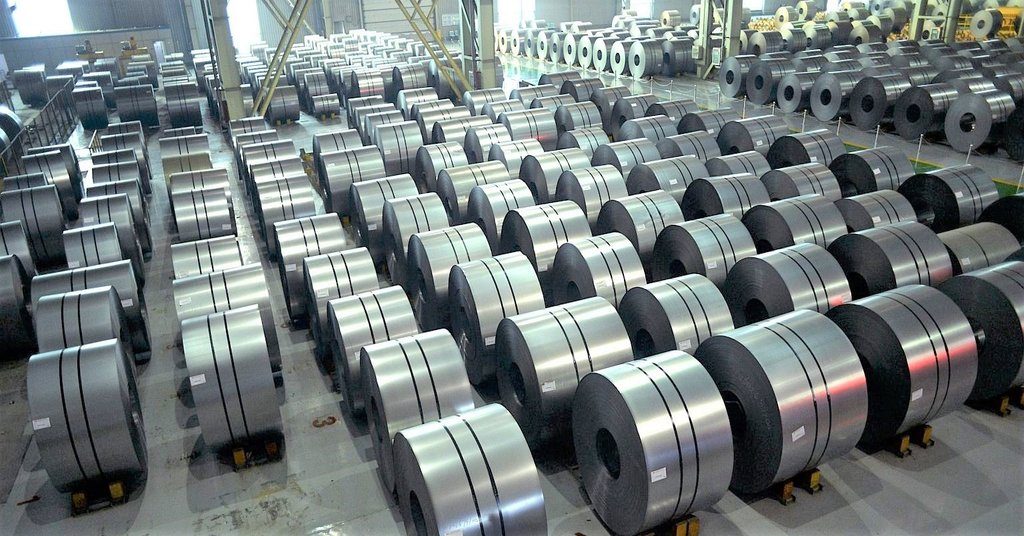
India’s steel industry is poised for a fresh cycle of large scale investment as producers prepare to expand manufacturing capacity to meet the country’s long term infrastructure and industrial ambitions.

Industry assessments indicate that steelmakers are likely to embark on a multi-year programme of capital expenditure as national production targets move significantly higher over the next decade. The expansion is closely linked to the country’s infrastructure agenda, which includes transport corridors, urban transit systems, industrial clusters, renewable energy installations and large-scale housing development.The planned India steel capacity expansion is being driven by expectations that demand for steel will continue rising as cities grow and public investment remains focused on roads, railways, ports and manufacturing infrastructure. Steel remains one of the most important materials used in urban construction, supporting everything from bridges and metro networks to warehouses and high-rise buildings.For urban economies, greater domestic steel availability could help strengthen supply chains and reduce dependence on imports during periods of global market volatility. Construction firms and infrastructure agencies often face cost pressures when international commodity prices fluctuate. Additional local production capacity may improve supply reliability, particularly as India pursues increasingly complex infrastructure projects.However, industry experts caution that the next phase of India steel capacity expansion will require substantial investment beyond blast furnaces and rolling mills.

Expanding production at scale will place additional pressure on transport systems, power networks, water resources and industrial land availability. New industrial zones may need supporting infrastructure such as rail connectivity, renewable energy access and modern logistics facilities to operate efficiently.The environmental dimension is becoming equally significant. Steel manufacturing is among the largest industrial sources of greenhouse gas emissions globally. As capacity increases, policymakers and producers face growing pressure to align industrial growth with climate commitments and resource efficiency goals. Analysts note that future competitiveness may increasingly depend on investments in lower-emission production technologies, energy efficiency measures, scrap recycling systems and cleaner fuel alternatives.The investment cycle is also expected to generate economic spillovers. New steel projects typically create demand for engineering services, equipment manufacturing, transport infrastructure and industrial housing. This can stimulate employment and economic activity in regions hosting new facilities. Yet urban planners emphasise that such development must be accompanied by environmental safeguards and community-focused planning to ensure benefits are broadly shared.

The timing of the expansion reflects broader structural changes in the economy. Manufacturing growth, infrastructure spending and urbanisation continue to support long-term steel demand, even as global commodity markets remain uncertain. India’s position as one of the world’s fastest-growing major steel markets has strengthened the case for additional domestic production capacity.As investment decisions advance, attention is likely to shift from headline production targets to the quality of industrial growth. The success of the next generation of steel projects may ultimately be measured not only by output volumes, but by how effectively they support resilient cities, sustainable infrastructure and a lower carbon industrial future.

Also Read : Roorkee Steel Research Initiative Supports Cleaner Industry
India Steel Growth Plans Reshape Industrial Regions
RELATED ARTICLES

LEAVE A REPLY

Please enter your comment!
Please enter your name here

- Advertisment -spot_img

Most Popular

Recent Comments

Shree Cement Sets July Results Discussion

Shree Cement Sets July Results Discussion

Shree Cement is set to present its financial performance for the first quarter of FY27 through an investor and analyst interaction on 31 July,...
India Fertiliser Imports Reinforce National Supply Security

India Fertiliser Imports Reinforce National Supply Security

India imported more than 3.2 million tonnes of fertilisers during the first quarter of FY27, while expanding overseas sourcing arrangements to safeguard supplies ahead...
India Chemical Sector Gains Strategic Government Support

India Chemical Sector Gains Strategic Government Support

The Union Cabinet has approved a ₹3,030 crore national programme to strengthen India’s chemicals sector, aiming to boost domestic manufacturing, reduce import dependence and...
India Specialty Chemicals Drive Industrial Innovation

India Specialty Chemicals Drive Industrial Innovation

India’s specialty chemicals sector is entering a new phase of expansion driven by investments in advanced manufacturing, research and production capacity, as companies respond...
India Metal Recycling Drives Sustainable Manufacturing

India Metal Recycling Drives Sustainable Manufacturing

India’s next phase of growth in the metals sector is expected to rely increasingly on recycling rather than fresh mineral extraction, reflecting a broader...