HomeLatestIndia Tier Cities Drive Real Estate Shift

India Tier Cities Drive Real Estate Shift

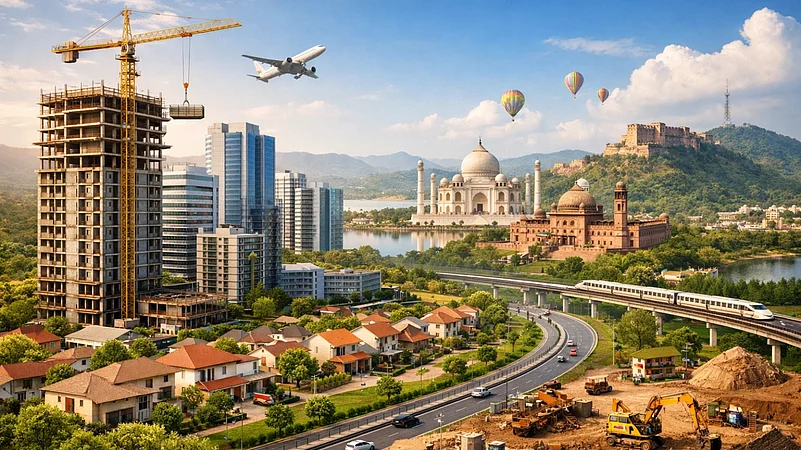
India’s urban expansion is no longer confined to its largest metropolitan regions, as a growing share of real estate activity shifts towards Tier-2 and Tier-3 cities. This transition, visible across multiple states, is being driven by infrastructure upgrades, changing buyer expectations, and the rising cost of living in major metros. The trend signals a broader rebalancing of urban growth, with implications for housing access, sustainability, and regional economies.

Across emerging cities, improved transport connectivity has become a decisive factor. Investments in highways, regional airports, and rail networks are shortening travel times and linking smaller urban centres to economic corridors. As a result, cities once considered peripheral are becoming viable residential and commercial destinations, encouraging both migration and local investment. Urban planners note that such connectivity-led development can ease pressure on megacities, which continue to grapple with congestion, pollution, and strained infrastructure. The evolving demand pattern also reflects a shift in the profile of homebuyers. In many Tier-2 and Tier-3 locations, purchases are increasingly driven by end-users rather than speculative investors. This has contributed to more stable sales cycles and reduced volatility in pricing. For households, particularly first-time buyers and middle-income groups, these markets offer relatively affordable entry points without sacrificing access to modern amenities or employment hubs.

At the same time, buyer expectations are changing rapidly. Developers are introducing projects with features traditionally associated with metropolitan housing such as integrated townships, mixed-use developments, and improved public spaces. This reflects rising incomes and greater awareness of quality living standards. However, urban experts caution that replicating metro-style growth without adequate environmental safeguards could strain local ecosystems, especially in cities with limited planning capacity. The India Tier Cities real estate segment is also attracting developers seeking lower land acquisition costs and faster project execution. While this expansion supports economic diversification, it raises critical questions around governance, land use regulation, and infrastructure readiness. Without coordinated planning, there is a risk of uneven development, inadequate public services, and increased carbon footprints due to urban sprawl. Notably, several northern and western urban clusters are witnessing increased traction due to planned development and proximity to major transport nodes.

These areas are benefiting from a combination of policy support and private sector participation, creating new micro-markets that blend residential, commercial, and institutional uses.For policymakers, the rise of India Tier Cities real estate presents both an opportunity and a challenge. A more distributed pattern of urbanisation can improve regional equity and reduce migration pressures on megacities. Yet, ensuring that this growth remains inclusive, climate-resilient, and resource-efficient will require stronger urban governance frameworks, investment in public transport, and a focus on sustainable land use. As India’s urban footprint continues to expand, the next phase of development will likely depend on how effectively these emerging cities balance growth with liveability, ensuring that expansion benefits both residents and the environment.

Also Read : India Property Market Weighs Yield Versus Stability
India Tier Cities Drive Real Estate Shift
RELATED ARTICLES

LEAVE A REPLY

Please enter your comment!
Please enter your name here

- Advertisment -spot_img

Most Popular

Recent Comments

SAIL Raw Material Strategy Supports Infrastructure Growth

SAIL Raw Material Strategy Supports Infrastructure Growth

India’s drive to secure long term supplies of critical industrial raw materials has entered a new phase as major state owned mining and steel...
Kansai Nerolac Dividend Decision Reflects Market Stability

Kansai Nerolac Dividend Decision Reflects Market Stability

A proposed dividend distribution by one of India’s major paint manufacturers has brought renewed attention to how companies are balancing shareholder returns with investment...
Interarch Steel Building Order Signals Industrial Expansion

Interarch Steel Building Order Signals Industrial Expansion

A newly awarded contract for a large steel based industrial facility has highlighted the growing role of engineered construction systems in India’s expanding manufacturing...
Vibhor Steel Ownership Move Reflects Growth Expectations

Vibhor Steel Ownership Move Reflects Growth Expectations

A recent stock market disclosure involving additional share purchases by a promoter linked entity at a steel tube manufacturer has drawn attention to investor...
UltraTech Leadership Change Draws Governance Focus

UltraTech Leadership Change Draws Governance Focus

A scheduled leadership transition at one of India’s largest cement producers has drawn attention to the evolving role of corporate governance within industries that...