HomeLatestIndia Tracks Growing Steel Sector Coal Risks As Blast Furnace Expansion Continues...

India Tracks Growing Steel Sector Coal Risks As Blast Furnace Expansion Continues Rapidly

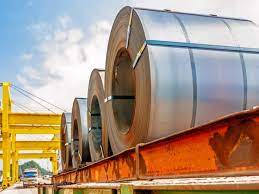
India’s steel sector is facing increasing energy security challenges as blast furnace expansion drives higher demand for metallurgical coal. With nearly 90% of its requirements imported—primarily from Australia—producers are exposed to rising supply, climate, and financial risks abroad. Analysts warn that continued reliance on imported coal could trigger structural price pressures, while domestic initiatives in scrap steel recycling and green hydrogen are emerging as strategic alternatives for long-term resilience.

The country’s reliance on Australian metallurgical coal has become a strategic concern. Australia, the world’s leading exporter, is experiencing rising operational, regulatory, and climate pressures that threaten future output. Industry experts note that past export forecasts have consistently been overestimated, with actual shipments falling short. Additionally, mining expansion is slowing, as companies favour acquisitions over navigating increasingly stringent environmental approvals and lengthy project timelines.Environmental and climate-related risks are amplifying supply uncertainties. Methane emissions from Australian coal operations are under greater scrutiny, and regulatory targets for emission reductions could constrain new mine development. Seasonal flooding and extreme rainfall events in Queensland, Australia’s largest producing region, also disrupt logistics and have the potential to sharply spike costs. Combined with rising labour and operational expenses, these factors could translate into persistent price pressures for Indian steelmakers.

Financial constraints are further shaping the sector’s future. Banks in Australia and other major markets are increasingly cautious about lending to new metallurgical coal projects, reflecting a global pivot towards low-carbon steel production. Carbon capture technology has yet to offer a commercially viable solution for blast furnace emissions, leaving traditional coal-based steelmaking exposed to long-term financial and environmental risk. Analysts argue that without strategic shifts, Indian producers could face structural cost disadvantages relative to emerging green steel markets.Domestically, alternatives are gaining traction. Scrap steel recycling through electric arc furnaces presents a circular, low-carbon source of material, reducing dependency on imports. While significant volumes will take time to accumulate, developing collection, processing, and logistics infrastructure now positions India to capitalise on this growing resource. Similarly, green hydrogen offers a domestic, carbon-light alternative for steelmaking. India’s abundant renewable energy potential allows cost-competitive production, and prioritising its use for domestic steel could safeguard energy security while supporting the sector’s decarbonisation pathway.

These developments highlight a broader industrial transition. Shifting away from imported metallurgical coal not only mitigates supply and price risks but also aligns India’s steel sector with global low-carbon trends. For policymakers and industry leaders, accelerating the adoption of scrap recycling and hydrogen-based steel production is emerging as a crucial strategy to ensure the sector remains resilient, competitive, and environmentally sustainable in the decades ahead.

Also Read: Mumbai Thermocool Home Appliances Launches India’s Naya Andaz Campaign With Saif Ali Khan

India Tracks Growing Steel Sector Coal Risks As Blast Furnace Expansion Continues Rapidly


RELATED ARTICLES

LEAVE A REPLY

Please enter your comment!
Please enter your name here

- Advertisment -spot_img

Most Popular

Recent Comments

MahaRERA Links Planning Authorities For Real Time Checks

MahaRERA Links Planning Authorities For Real Time Checks

0
The Maharashtra Real Estate Regulatory Authority (MahaRERA) has completed a statewide digital integration with all recognised planning authorities, enabling real-time verification of commencement permissions...
Kolte Patil Developers Enters Large Residential Partnership In Pune

Kolte Patil Developers Enters Large Residential Partnership In Pune

0
Kolte Patil Developers has strengthened its residential footprint in Pune by entering into a high-value joint development partnership for a large housing project in...
Larsen Toubro Deal Highlights Energy Transition Shift

Larsen Toubro Deal Highlights Energy Transition Shift

0
Larsen & Toubro has secured a large domestic infrastructure contract for a pumped storage project in Maharashtra, reinforcing its position in India’s energy transition...
Sattva Group Introduces New Premium Residential Community In West Bengaluru

Sattva Group Introduces New Premium Residential Community In West Bengaluru

0
West Bengaluru’s residential corridor along Mysore Road is witnessing renewed development momentum with the launch of a large premium housing project by Sattva Group,...
Dalmia Cement Secures Approval for Major Capacity Expansion

Dalmia Cement Secures Approval for Major Capacity Expansion

0
Dalmia Cement has received regulatory clearance from the Bihar government to significantly scale up production at its manufacturing facility in Rohtas district, marking a...