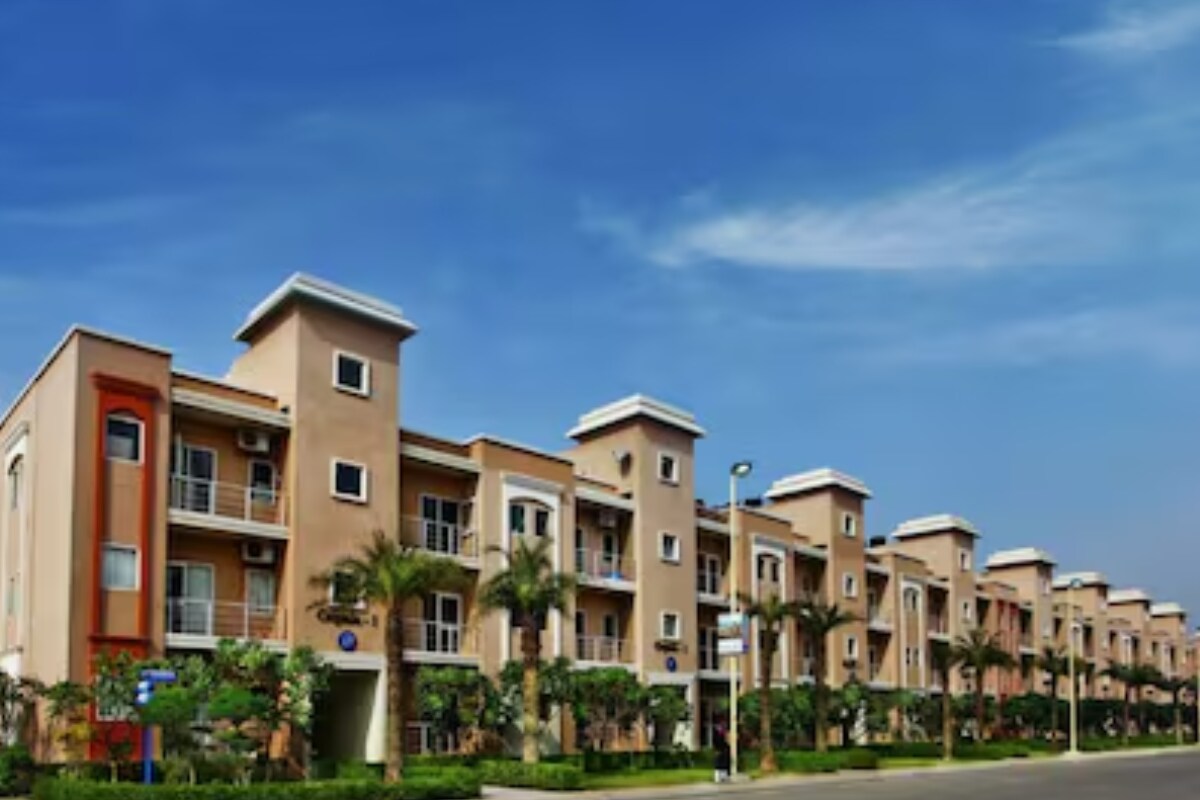
A decisive shift is underway in India’s housing landscape, with Tier 2 cities emerging as primary drivers of residential demand. Markets such as Lucknow, Jaipur, and Indore are no longer peripheral to metro-led growth; instead, they are forming independent housing ecosystems shaped by infrastructure upgrades, local employment generation, and improved liveability. This transition signals a broader rebalancing of urban growth beyond the country’s largest cities.
Industry assessments indicate that Tier 2 cities are recording stronger housing absorption compared to traditional metros. While large urban centres continue to command high transaction volumes, rising property prices and affordability constraints are prompting households to reconsider location choices. In contrast, Tier 2 cities offer comparatively aligned price-to-income ratios, making home ownership more accessible to end users rather than speculative investors.
Urban planners note that this trend reflects a structural evolution rather than a cyclical demand shift. Expanded highway networks, new airports, and industrial corridors are enhancing regional connectivity, enabling smaller cities to attract both investment and workforce migration. As a result, residential demand is increasingly linked to local economic activity, including manufacturing clusters, education hubs, and government-led development initiatives.
The growing prominence of Tier 2 cities is also reshaping buyer expectations. Homebuyers are prioritising planned communities, access to infrastructure, and quality of life over proximity to traditional business districts. This has encouraged developers to adopt more disciplined planning approaches, with an emphasis on integrated townships, green spaces, and efficient urban design. Such developments align with the broader push towards sustainable and climate-resilient urban expansion.
Cities with strong governance frameworks and planning consistency are particularly well positioned. Structured zoning, lower congestion levels, and the ability to scale infrastructure more effectively are helping these locations maintain stable pricing and predictable demand cycles. This stability is critical for long-term urban resilience, as it reduces the risk of speculative bubbles that have historically affected some metro markets.
At the same time, cultural and tourism-led economies are adding new dimensions to housing demand. Religious tourism circuits, heritage redevelopment, and city branding initiatives are expanding economic opportunities, indirectly supporting residential growth. These factors are contributing to a more diversified urban economy, where housing demand is supported by multiple sectors rather than a single industry.
However, the expansion of Tier 2 cities also raises important questions about sustainable urbanisation. As demand rises, ensuring adequate infrastructure, water management, and climate-sensitive planning will be essential to avoid replicating the challenges seen in larger metros. Experts emphasise the need for proactive policy frameworks that integrate land use, transport, and environmental considerations.
Looking ahead, Tier 2 cities are expected to play a central role in India’s urban future. Their ability to balance affordability, economic opportunity, and liveability could redefine the country’s housing narrative, provided growth is managed with long-term sustainability and inclusivity at its core.
Indore Chandigarh Fuel Tier 2 Real Estate